U.S. Redirects $52 Million Military Aid to Latin America
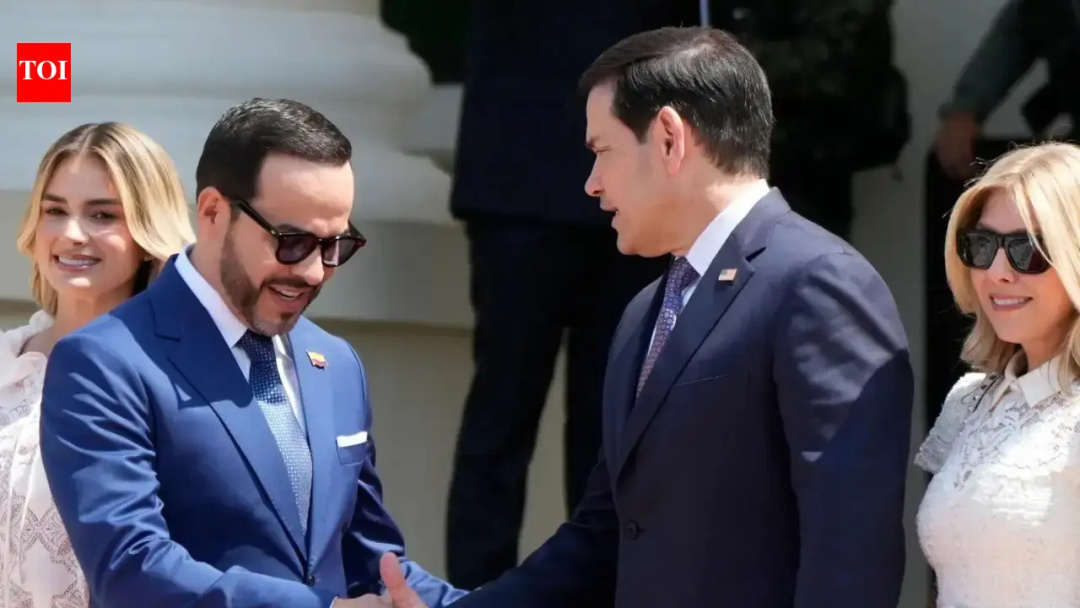
The Trump administration has announced a significant redirection of military aid, reallocating $52 million from four countries in Europe and the Middle East to Latin American nations. This move underscores a strategic pivot towards the Western Hemisphere, as the U.S. seeks to enhance its focus on regional security and stability. The State Department informed Congress that funds originally designated for Slovakia, North Macedonia, Tunisia, and Iraq will now support military efforts in Panama, Peru, Ecuador, and Colombia.
This decision follows Secretary of State Marco Rubio's recent visit to Colombia, Ecuador, and Peru, where he committed to increasing U.S. support for these nations. The administration's renewed emphasis on Latin America is part of a broader strategy to combat drug trafficking and illegal immigration, which have become pressing issues for U.S. national security. By redirecting military financing, the Trump administration aims to strengthen partnerships with right-wing governments in the region, aligning with a modern interpretation of the Monroe Doctrine that asserts U.S. influence in Latin America.
Common Sense Shop
The United States of Common Sense
Amazon shopping links. Sponsor Complete!
The foreign military financing program enables recipient nations to purchase military equipment from American defense contractors, thereby supporting U.S. industry while enhancing the military capabilities of allied governments. The State Department stated that the newly allocated funds will be utilized to combat narcoterrorism and secure vital infrastructure, such as the Panama Canal. This approach reflects a recognition that the Western Hemisphere has historically received less military assistance compared to other regions, a disparity the administration seeks to address.
Shifting Focus to Latin American Security
While this reallocation does not eliminate U.S. military financing for the affected countries in Europe and the Middle East, it does signal a shift in priorities. The State Department has not disclosed how much funding will remain for Slovakia, North Macedonia, Tunisia, or Iraq, but emphasized that the existing allocations do not align with the current administration’s focus on the Western Hemisphere. This redirection of funds highlights the administration's commitment to preventing adversaries, particularly China, from establishing a foothold in Latin America, which is increasingly viewed as a strategic battleground for influence.
The Common Sense Test
The implications of this funding shift are significant, as it not only reflects a change in U.S. foreign policy but also raises questions about the future of military assistance to traditional allies in Europe. As the U.S. recalibrates its military support, it will be essential to monitor how these changes affect both regional security dynamics and the relationships with longstanding partners in Europe and the Middle East. The decision to prioritize Latin America over other regions marks a pivotal moment in U.S. foreign policy, one that could reshape the geopolitical landscape in the years to come.
Ultimately, this reallocation of military aid is a clear indication of the Trump administration's priorities, emphasizing a focus on addressing immediate threats in the Western Hemisphere. The decision to bolster military support for Latin American nations is a pragmatic response to the challenges posed by drug trafficking and illegal immigration, which directly impact U.S. security. As the administration continues to navigate complex international relationships, the effectiveness of this strategy will depend on its ability to deliver tangible results in enhancing regional stability and curbing illicit activities that threaten American interests.