CDU Gains Ground in Lower Saxony Local Elections Amid Political Challenges
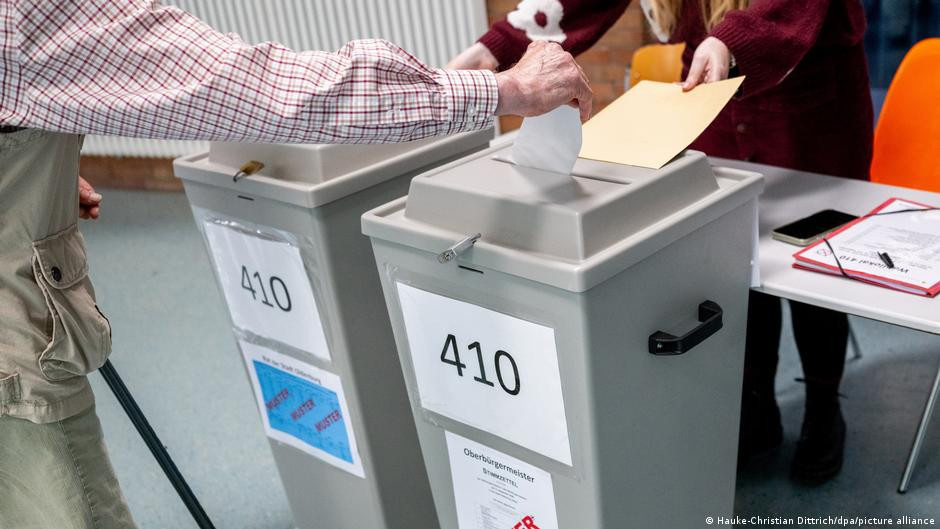
The recent local elections in Lower Saxony have provided a much-needed boost for the Christian Democratic Union (CDU), a party that has been under scrutiny following the far-right Alternative for Germany's (AfD) gains in previous elections. According to projections from Infratest dimap, the CDU garnered 27.7% of the vote, surpassing the Social Democrats (SPD) at 24.5% and the AfD at 16.5%. This election is particularly significant as it reflects the CDU's ability to maintain support in a challenging political landscape.
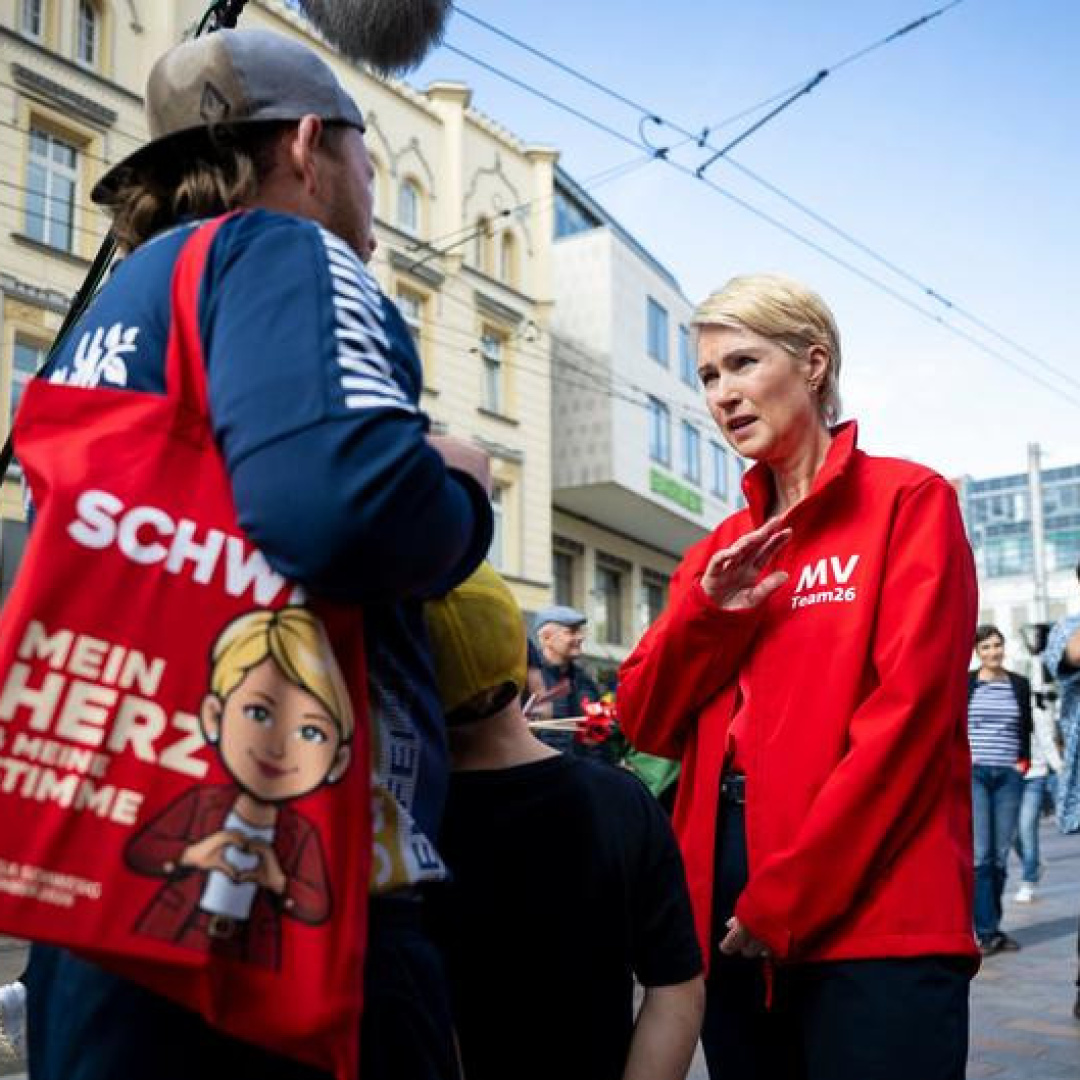
CDU state leader Sebastian Lechner expressed optimism about the results, acknowledging the difficulties faced during the campaign. "These local elections did not exactly take place under easy circumstances. We, too, have noticed the discontent over Berlin," he stated, indicating an awareness of the party's credibility issues. The CDU's performance in Lower Saxony is especially crucial as the party prepares for upcoming elections in Mecklenburg-Western Pomerania, where recent polls have shown a dramatic drop in support, with the CDU languishing at just 7%.
Common Sense Shop
The United States of Common Sense
Amazon shopping links. Sponsor Complete!
Bavarian State Premier and CSU leader Markus Söder has warned of the potential political consequences of the AfD's rise, describing the situation as a "penalty kick with no goalkeeper" for the party. He emphasized the need for the CDU to improve its governance and communication strategies to regain public trust. "Pull ourselves together and step it up a notch," Söder urged, highlighting the urgency for the party to address high energy prices and other pressing issues affecting voters.
In the municipal elections, incumbent mayor Dennis Weilmann (CDU) successfully retained his position in Wolfsburg, securing 50.1% of the vote against SPD's Karsten Schneider and AfD's Thomas Schlick. Meanwhile, the mayoral race in Oldenburg has resulted in a runoff between SPD's Ulf Prange and independent candidate Jascha Rohr, both of whom received significant support.
Historic Milestone in Wilhelmshaven's Leadership
The elections also marked a historic moment for Wilhelmshaven, where Eva Maria Haarmann became the first woman elected as mayor, winning approximately 55% of the vote. This reflects a shift in local political dynamics and a growing recognition of diverse leadership.
The Common Sense Test
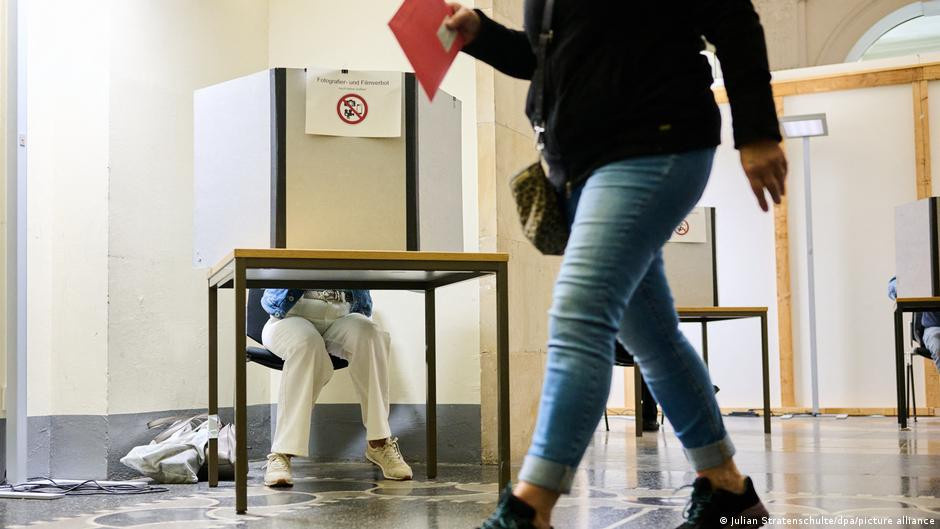
Voter turnout for the Lower Saxony elections showed a significant increase, with 50.67% of eligible voters casting their ballots by 4:30 p.m., compared to 43.99% at the same time during the 2021 elections. This uptick in participation suggests a renewed interest in local governance and the issues at stake.
As the CDU reflects on its performance, the party must grapple with the underlying voter discontent that has fueled the rise of the AfD. The challenge now lies in addressing these concerns effectively while maintaining a conservative agenda that resonates with the electorate. The implications of these local elections extend beyond Lower Saxony, as they may signal broader trends in German politics leading up to future federal elections.