China Advocates for Global AI Oversight Amid U.S. Tensions

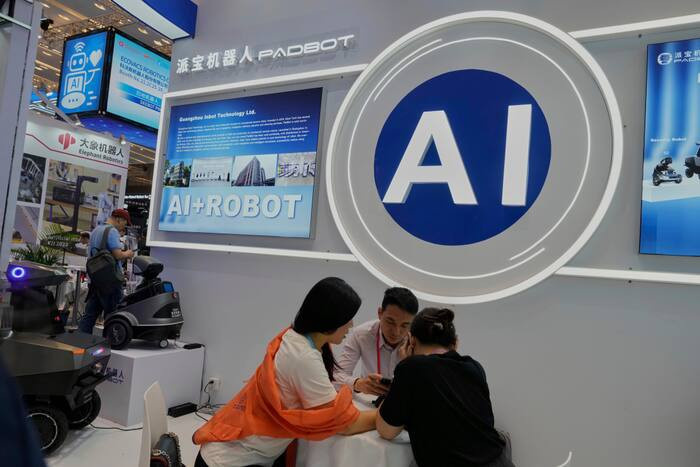
At a recent defense forum in Beijing, China's leading military diplomat emphasized the need for enhanced global oversight of artificial intelligence (AI). This call comes at a time of heightened tensions between China and the United States, particularly concerning military capabilities and advanced technologies. The forum served as a platform to express concerns about the escalating military applications of AI, highlighting its significance as a strategic-security issue that extends beyond civilian technology discussions.
The push for greater AI governance mirrors the broader strategic rivalry between the U.S. and China, with both nations acutely aware of AI's dual-use potential in military command and control scenarios. As these two superpowers navigate a competitive landscape that avoids direct conflict, discussions surrounding AI oversight have gained traction. This reflects a mutual interest in mitigating the risks of an arms race in AI technologies that could destabilize global security.
Common Sense Shop
The United States of Common Sense
Amazon shopping links. Sponsor Complete!
In prediction markets, the implications of this development have begun to shape perceptions regarding the likelihood of Chinese companies being removed from the U.S. military companies list by the projected date of June 30, 2027. The call for increased AI oversight may signal a rise in tensions, potentially affecting timelines and decisions regarding the delisting of firms like Alibaba from this controversial list.
U.S. government actions and diplomatic responses to China's request for AI oversight will be pivotal in influencing market perceptions and geopolitical dynamics. Any indications of U.S.-China diplomatic engagement or shifts in policy regarding AI governance could significantly impact market scenarios. Stakeholders should remain vigilant for updates on the status of Chinese companies on the military list, as these developments will serve as critical indicators of evolving geopolitical relationships and their effects on market pricing.
Navigating the AI Oversight Landscape
As the dialogue around AI governance continues to evolve, the implications for both nations are profound. The U.S. must carefully consider its approach to China's call for oversight, balancing national security interests with the need for international cooperation in managing the risks associated with AI technologies. The outcome of this discourse could redefine the parameters of U.S.-China relations and set a precedent for global AI policy frameworks.
The Common Sense Test
Ultimately, the question remains: how will the U.S. respond to China's call for global AI oversight? The stakes are high, and the decisions made in the coming months will likely have lasting implications not only for U.S.-China relations but also for the future of AI governance on a global scale. As both nations grapple with the challenges posed by AI, it is crucial to prioritize transparency, accountability, and the prevention of an arms race in this transformative technology.