New Party Holds Off Name Change Amid Legal Challenge
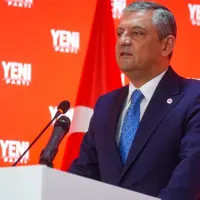
The New Party, a significant player in Turkey's political landscape, has opted to postpone any changes to its name while awaiting a ruling from the Constitutional Court. This decision comes in response to a challenge from the Innovation Party, which contends that the nearly identical names could mislead voters during elections. The New Party's executive board convened on September 15 under the leadership of Özgür Özel and concluded that maintaining their name is appropriate until the court's decision is rendered.
Party officials argue that the similarity between the names does not meet the criteria for confusion as defined by Türkiye’s Political Parties Law. They emphasize that the parties utilize distinct abbreviations, further reducing the likelihood of voter confusion. "We obtained the necessary expert opinions when establishing our party, and the application procedures with the Interior Ministry and the Court of Appeals were duly completed," stated New Party spokesperson Zeynel Emre following the board meeting.
Common Sense Shop
The United States of Common Sense
Amazon shopping links. Sponsor Complete!
The Innovation Party's challenge was formally submitted by its deputy chair responsible for legal and electoral affairs, Oya Baksı Işık, to the Political Parties Registry Bureau of the chief prosecutor's office. The petition references a prior rejection of a similar application to establish a party under the name New Party in 2024. It argues that the Turkish words "yeni," meaning "new," and "yenilik," meaning "innovation," could potentially create confusion among voters.
Deadline Looms for Name Dispute Resolution
The New Party has until September 18 to comply with the notification regarding the name dispute. If deemed necessary, the prosecutor’s office may pursue further action with the Constitutional Court following this deadline. This situation is particularly significant as Özel recently resigned from the Republican People’s Party (CHP), alongside 90 lawmakers, to form the New Party. This shift followed an Ankara court’s annulment of the CHP’s leadership election due to alleged irregularities, reinstating former leader Kemal Kılıçdaroğlu.
The Common Sense Test
As the political landscape in Turkey continues to evolve, the implications of this name dispute extend beyond mere semantics. The outcome may influence not only the New Party's identity but also the broader electoral dynamics as parties vie for voter attention and clarity in a competitive environment.
Ultimately, the question remains: will the court's ruling clarify the naming issue, or will it further complicate the electoral process? The New Party's stance reflects a commitment to its identity amidst legal challenges, but the necessity of clear distinctions in party names cannot be overstated. Voter confusion is a serious concern, and as this case unfolds, it will be crucial to monitor how it impacts the political discourse in Turkey and the strategies of competing parties.