Congress Passes Bill Allowing Tariffs on Russian Oil Purchasers
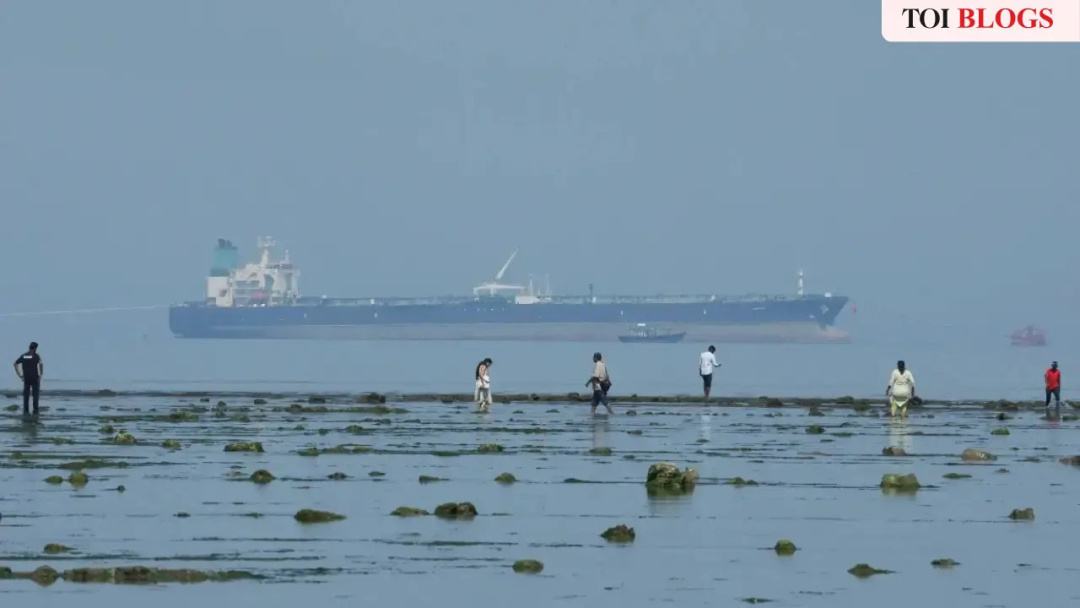
The US Congress has recently passed a bill that empowers the president to impose tariffs of up to 100% on countries that continue to purchase Russian oil and gas. This development raises concerns for India, which is the second-largest buyer of Russian oil. However, there is no immediate cause for alarm. First, President Trump has not yet signed the bill into law. Second, even if he does sign it, that does not guarantee that India will face a full 100% tariff. This figure represents the maximum tariff that could be charged, not a fixed rate.
Trump has a ten-day window to either sign or reject the bill, which has taken 17 months to reach this point. If he chooses to reject it, the issue will be resolved. Should he sign it, there are broader economic implications to consider. The US is already grappling with various challenges, including rising fuel prices that could be exacerbated by a sudden withdrawal of Russian oil from the global market. Such a move could lead to increased oil prices, which would negatively impact American consumers and businesses alike.
Common Sense Shop
The United States of Common Sense
Amazon shopping links. Sponsor Complete!
Additionally, US farmers, many of whom are supporters of Trump's Republican Party, are already feeling the pinch from rising diesel prices. With the harvest season in full swing for crops like maize and soybeans, farmers rely heavily on diesel to operate their machinery. If diesel prices continue to climb, it could further strain their operations.
Higher fuel prices could also contribute to inflation in the US, complicating the Federal Reserve's ability to cut interest rates. Given these considerations, Trump may think twice before applying heavy tariffs on India, especially since he has previously requested Ukrainian President Volodymyr Zelenskyy to halt attacks on Russian fuel facilities to avoid driving up fuel prices.
India's Strategic Response to Tariff Threats
India must remain vigilant and prepare for the worst-case scenario, including a potential 100% tariff. The US is a critical export market for India, and such tariffs could significantly hurt Indian businesses. However, the Indian government emphasizes that the energy needs of its 1.4 billion citizens take precedence. In July, Russian crude accounted for approximately 51% of India's oil imports, providing a crucial supply without pushing global prices higher. Abruptly halting these imports could lead to increased fuel costs and inflation within India.
The Common Sense Test
To mitigate potential damage to its exports, India has been diversifying its markets and seeking new trading partners. Some analysts suggest that Trump might leverage the tariff threat to pressure India into signing a long-delayed bilateral trade agreement. However, India must carefully assess whether such a deal is worth the potential increase in domestic costs, especially considering the US has imposed tariffs on allies like the European Union, Japan, and South Korea even after signing trade agreements with them.
In conclusion, while the situation remains fluid, there is no immediate reason for India to panic. The complexities of international trade and the interconnectedness of global oil markets require a measured response rather than hasty decisions.