Elections in Germany: Tensions Rise Amid Protests and Party Dynamics
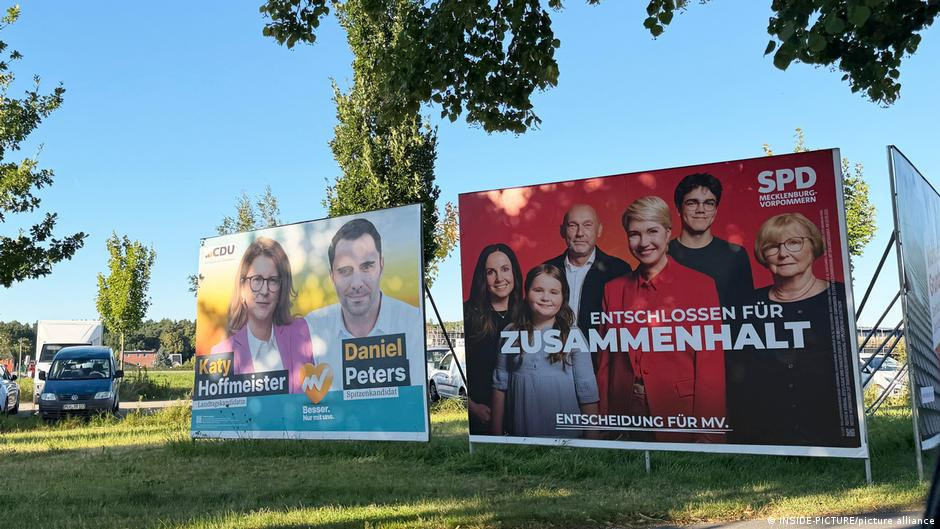
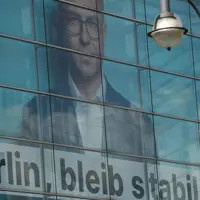
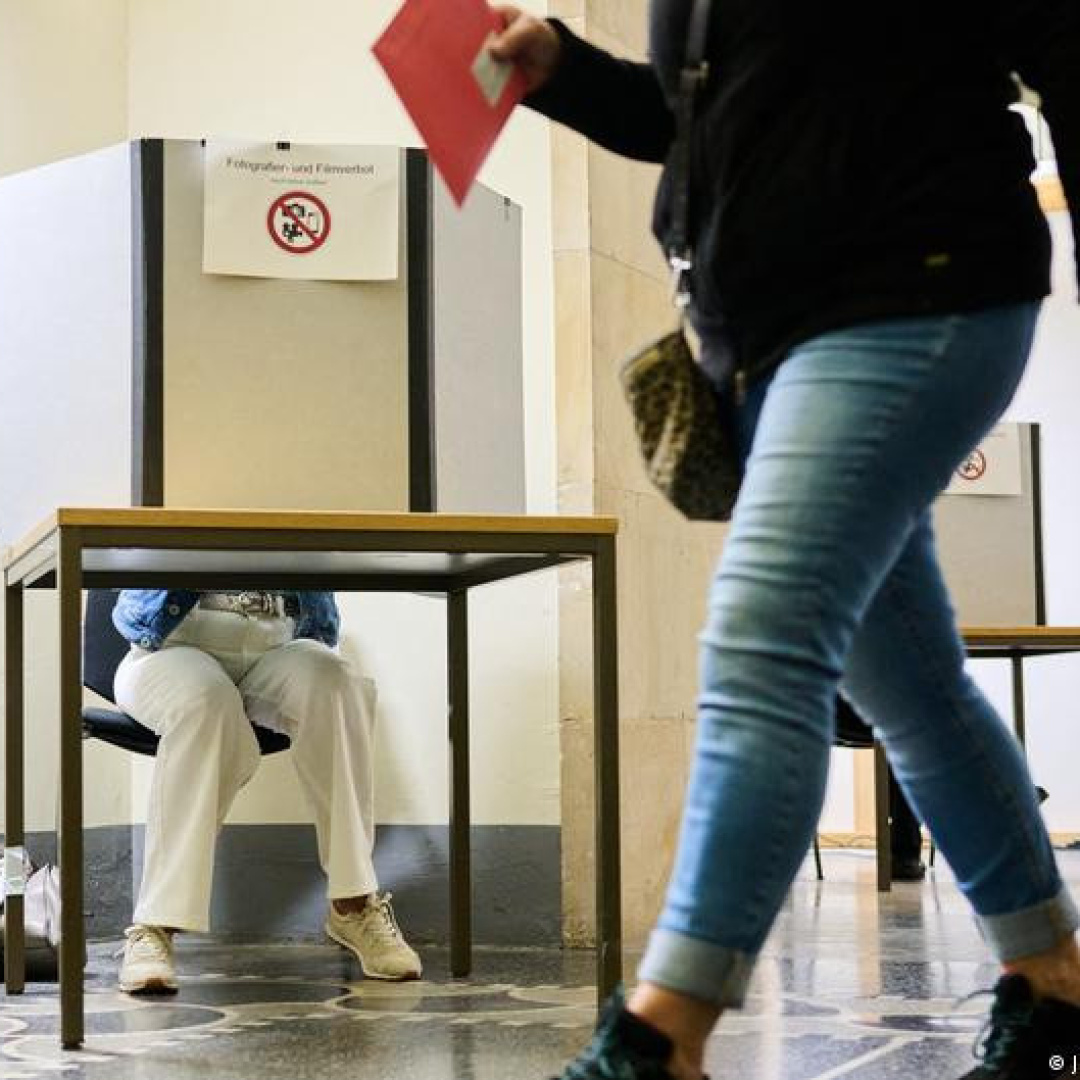
In the lead-up to the elections in Mecklenburg-Vorpommern and Berlin, Germany is witnessing significant political tension. Protests against abortion and assisted suicide took place in Berlin and Cologne, drawing approximately 2,200 participants in Berlin alone, including Catholic bishops. These protests were countered by pro-choice demonstrations, reflecting the ongoing societal divide over reproductive rights in a country where abortion is heavily regulated.
Charlotte Knobloch, a Holocaust survivor and prominent Jewish community leader, has expressed alarm at the AfD's recent electoral successes, warning that the party's rise could threaten the fragile trust built in Germany post-Holocaust. She noted that some members of the Jewish community are contemplating leaving Germany due to the increasing visibility of antisemitism and political extremism. Knobloch's concerns underscore the need for mainstream politicians to confront these issues more vigorously and engage with younger generations to foster a more inclusive society.
Common Sense Shop
The United States of Common Sense
Amazon shopping links. Sponsor Complete!
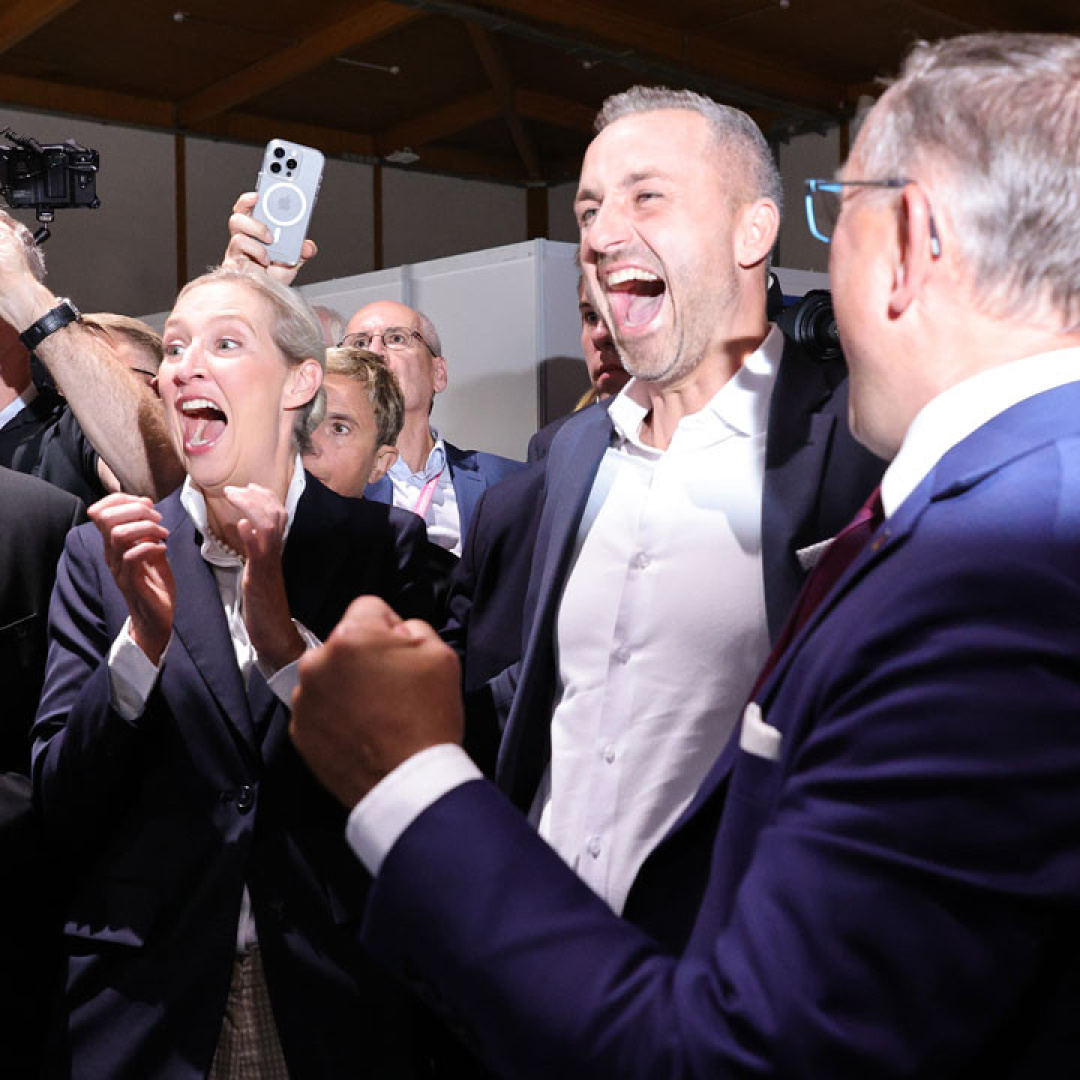
The AfD held its final rally in Mecklenburg-Vorpommern, where it is polling closely behind the Social Democrats (SPD). Party leaders, including Ulrich Siegmund, emphasized the need for a change in government, echoing sentiments from their recent victory in Saxony-Anhalt. However, the CDU, currently in power in Berlin, faces a challenging electoral landscape, with polls indicating a tight race against the Left Party. The CDU's performance is critical, as falling below the 5% threshold could jeopardize its parliamentary presence.
CDU Leadership Responds to Electoral Pressures
In a notable move, Chancellor Friedrich Merz has called for a leadership meeting within the CDU to discuss the implications of the upcoming elections, marking a departure from previous practices. This meeting will include key party figures and aims to strategize in light of the AfD's growing influence and the CDU's declining support.
The Common Sense Test
As these elections unfold, the implications for Germany's political future are profound. The AfD's potential to gain further ground raises questions about the direction of German politics and the impact on national unity. The party's controversial ties to Russia and its stance on energy policy have also sparked debate, particularly as Germany grapples with its energy security amidst ongoing geopolitical tensions.
As the elections draw near, the stakes are high for all parties involved. Voters are urged to consider the broader implications of their choices, especially in light of the AfD's controversial positions and the CDU's struggle to maintain relevance. The outcome of these elections will not only shape the political landscape in Germany but will also send ripples across Europe, influencing discussions on sovereignty, immigration, and national security. The need for a thoughtful and informed electorate has never been more critical as Germany navigates these turbulent waters.