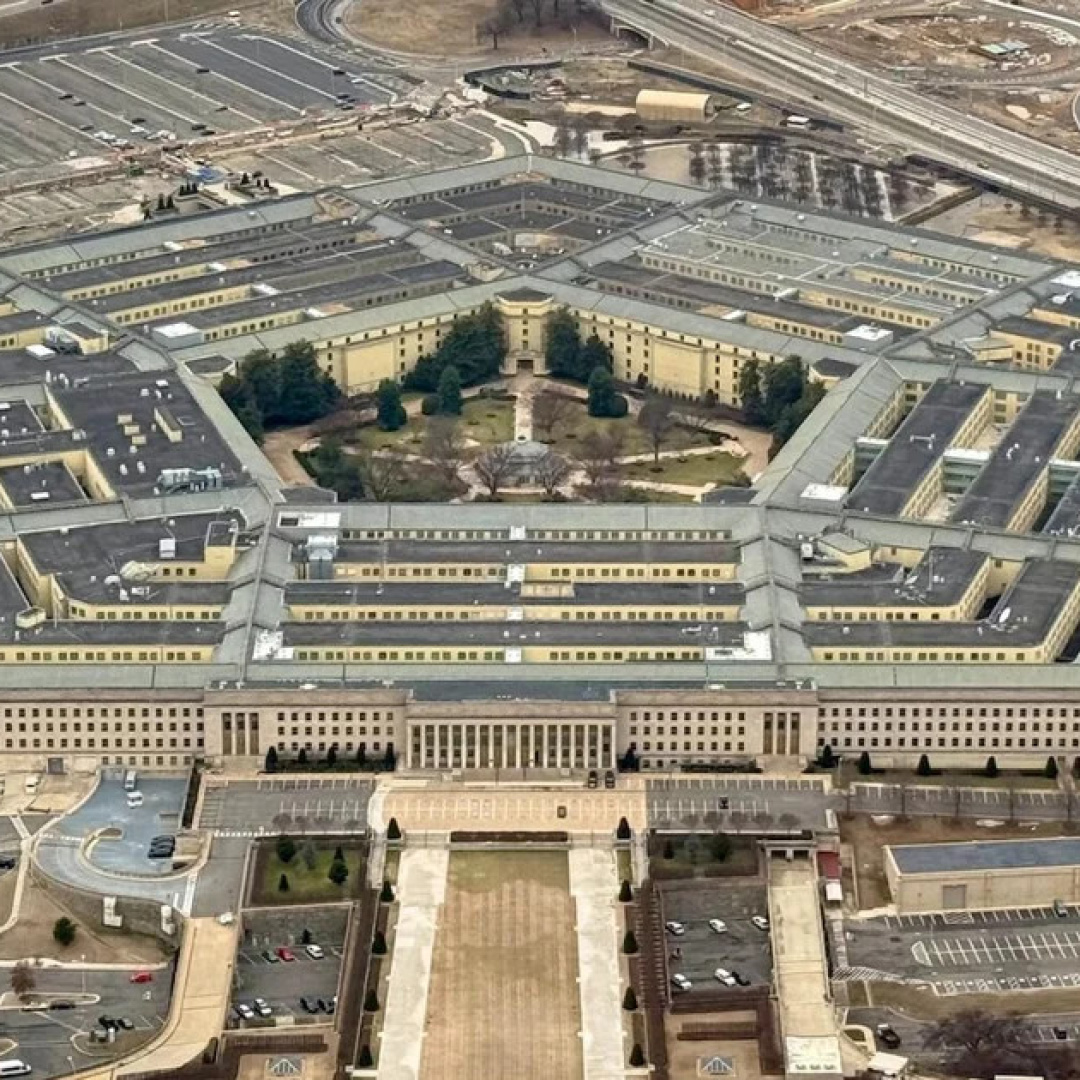
Senators Demand Clarity from Pentagon Amid Rising Tensions
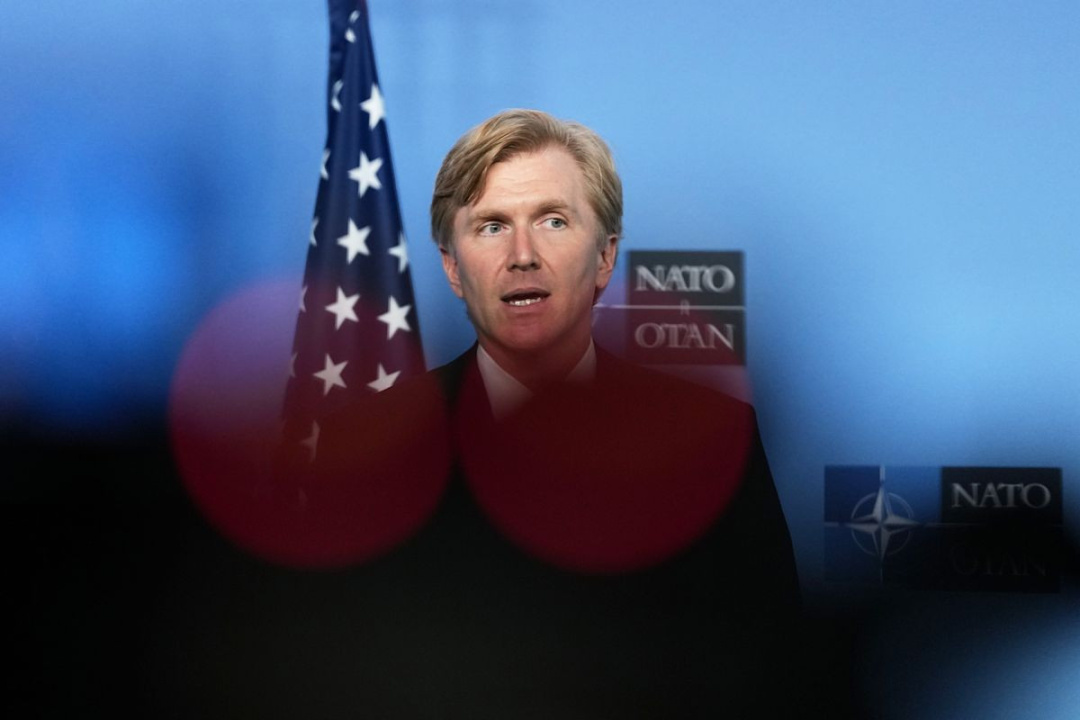
Tensions are mounting between the Pentagon and Congress over the flow of information regarding U.S. military priorities, with both Democrats and Republicans voicing their frustrations. During a classified briefing on Thursday, Defense Undersecretary Elbridge Colby did not provide the anticipated update on the Trump administration's National Defense Strategy, which has left several senators deeply unsettled.
Senator Jacky Rosen, a Democrat from Nevada and a member of the Senate Armed Services Committee, criticized Colby for being uncooperative, stating that he "was not forthcoming" and failed to adequately address their concerns. Republican Senator Kevin Cramer from North Dakota echoed these sentiments, describing the briefing as "just sort of dodge and punt." Cramer noted the peculiarity of having a congressionally mandated update without a clear statement.
Common Sense Shop
The United States of Common Sense
Amazon shopping links. Sponsor Complete!
Colby, who has both supporters and detractors on Capitol Hill, was expected to deliver a required briefing on the National Defense Strategy, a document that outlines military guidance. This strategy, released in January, reflects President Trump's "America First" philosophy, emphasizing nonintervention and questioning long-standing alliances in Europe. According to the National Defense Authorization Act, Colby was to provide this briefing by September 15, yet many senators felt it fell short of expectations.
Senator Mike Rounds, a Republican from South Dakota, remarked, "It was not what we had expected. They owe us a report, and we did not get the report." Democratic Senator Mark Kelly of Arizona raised concerns about the strategy regarding the Iran war, highlighting a perceived "munitions deficit" that experts say could take military contractors three years to address.
The issue of troop deployment has gained traction as midterm elections approach. Colby was questioned about discussions regarding deploying the National Guard for voter security on Election Day. He acknowledged that such discussions were occurring but did not provide a definitive answer. Cramer noted that Colby never explicitly confirmed or denied the potential deployment.
Senators Seek Assurance on Troop Deployment
Senator Elissa Slotkin, a Democrat from Michigan, has pressed Defense Secretary Pete Hegseth and General Dan Caine, the chairman of the Joint Chiefs of Staff, to assure that troops will not be sent to polling places. Caine responded in a letter stating that there are no plans to send Federal military personnel to polling locations during the 2026 elections.
Despite the criticism, not all lawmakers were dissatisfied with the briefing. Senator Jim Banks, a Republican from Indiana, described it as "constructive" and stated that it answered all his questions. However, when asked about his satisfaction, Senator Roger Wicker, chairman of the Senate Armed Services Committee, declined to comment on the classified session.
The Common Sense Test
As discussions continue, the lack of clarity from the Pentagon raises significant concerns about military transparency and accountability. Lawmakers are increasingly aware that the flow of information is crucial for informed decision-making, particularly as the nation approaches a critical election period. The ability of Congress to oversee military actions and strategies is fundamental to maintaining checks and balances in government. The unresolved questions from the briefing highlight the need for more open communication between the Pentagon and lawmakers, ensuring that elected officials can effectively fulfill their roles in safeguarding national interests.
In a time when military decisions can have far-reaching implications, the demand for transparency is not just a matter of political posturing; it is a necessity for democracy. As senators from both sides of the aisle express their dissatisfaction, it becomes evident that the Pentagon must prioritize clearer communication with Congress. The stakes are high, and the expectation for accountability is paramount as the nation navigates complex geopolitical landscapes and prepares for upcoming elections. The question remains: will the Pentagon heed the call for transparency, or will the frustrations of lawmakers continue to grow?