Early Voting Kicks Off Amid Political Tensions and Allegations
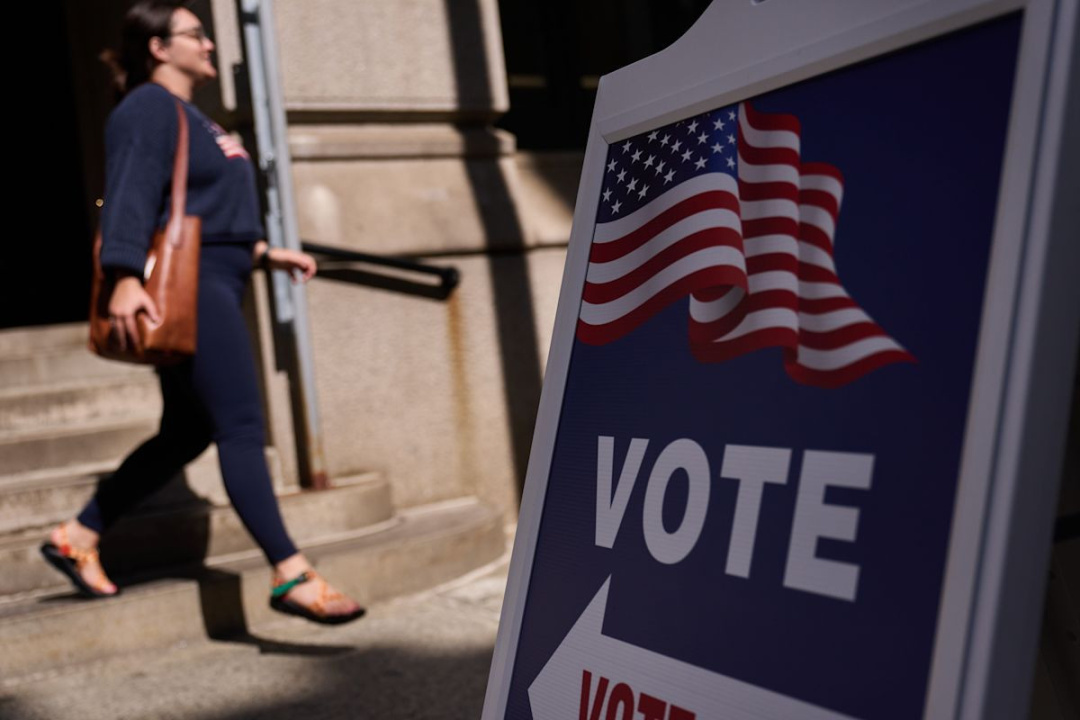
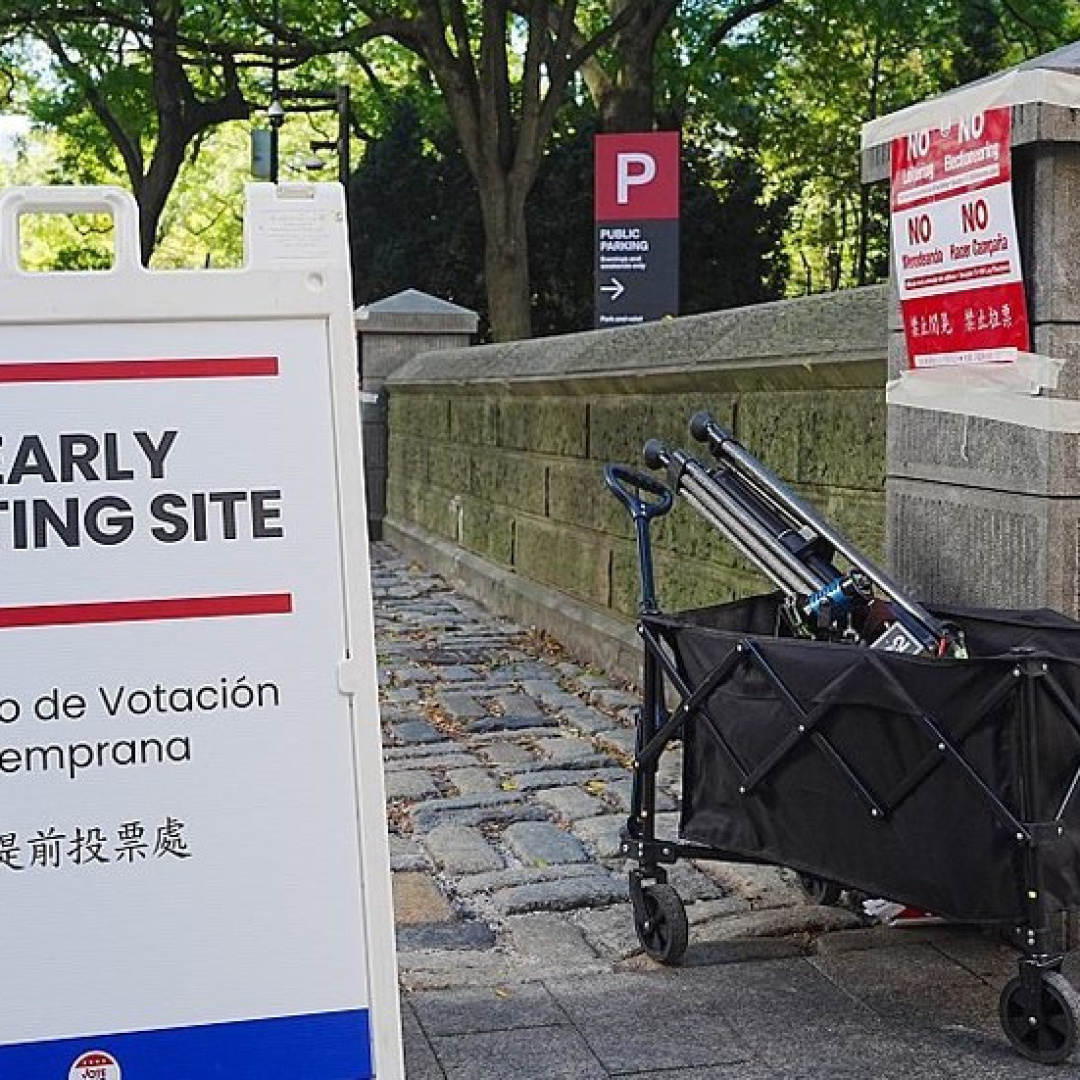
In-person voting for this year's midterm elections commenced on Friday, marking the beginning of a crucial six-week period for Americans to determine which party will guide Congress through significant challenges, including a rising cost of living and ongoing geopolitical tensions. Election officials express confidence in the security and accuracy of the voting process, despite President Donald Trump's persistent critiques of certain voting methods and his attempts to influence how elections are conducted through legal challenges and pressure on election officials to disclose sensitive voter information.
The early voting initiative kicked off in Virginia, with voters in several other states, such as Minnesota and South Dakota, also able to cast absentee ballots in person at designated locations. As early voting unfolds, the stakes are high, with the November 3 election poised to influence control of the House and Senate. If Democrats regain a foothold in Congress, it could significantly alter the course of Trump's final two years in office, potentially leading to increased oversight and investigations.
Common Sense Shop
The United States of Common Sense
Amazon shopping links. Sponsor Complete!
At a voting site in Fairfax, Virginia, 18-year-old college student Sanya Singhal was eager to participate, arriving early to be among the first to cast her vote. "Why not just have a little fun in life, you know, try to be the first early voter?" she remarked, highlighting the enthusiasm among young voters to engage in the democratic process. In contrast, Stephen Gura, voting in suburban Richmond, expressed his urgency to stop the Trump agenda, indicating a deep divide among voters regarding the current administration's policies.
William Curry, a 74-year-old retiree and self-described libertarian-leaning independent conservative, voiced his support for Trump's challenger, reflecting the mixed sentiments among voters regarding the president's performance, particularly concerning foreign policy challenges like the ongoing conflict in Iran. Meanwhile, in Sioux Falls, South Dakota, Bill Goehring, who voted early due to upcoming travel, expressed concerns about Trump's leadership style, stating, "His dictatorial tendencies are bad for America."
As early voting progresses, the atmosphere is charged with anxiety over issues like rising prices and immigration enforcement. Trump's administration has been accused of attempting to exert federal control over election processes, despite the Constitution assigning such powers to the states. Recent legal battles have seen the Supreme Court reject Trump's attempts to limit mail-in voting, yet his administration continues to pursue various strategies to influence the electoral landscape.
Allegations of Misconduct in Early Voting
The early voting period is also marked by allegations of misconduct, with Virginia's Democratic attorney general warning that Trump's administration may have violated state laws in its efforts to investigate noncitizen voters. Despite Trump's claims of widespread fraud, research consistently indicates that noncitizen voting is exceedingly rare, raising questions about the motivations behind such allegations.
While some voters are motivated by concerns over immigration and election integrity, others are driven by a desire to counteract perceived intimidation tactics. In Minneapolis, Dragan Colakovic, a naturalized citizen from Bosnia, shared his fears of immigration agents, drawing parallels between his experiences and the current political climate. Laura Bland, a voter in Virginia, emphasized the importance of participation, stating, "Regardless of whether you vote for a Democrat or Republican, people are not going to be stopped or intimidated from participating in our elections."
The Common Sense Test
The early voting phase is further complicated by advocacy groups urging voters to utilize mail-in ballots due to potential delays in postal operations. Hannah Fried, co-founder of a voting rights organization, emphasized that early voting can alleviate congestion on Election Day and expedite results. The U.S. Postal Service has also encouraged early submissions to ensure ballots are counted on time, reinforcing the importance of voter engagement in this critical election cycle.
As early voting unfolds, the implications of these elections extend beyond mere party control; they reflect the broader societal tensions and the electorate's response to the current administration's policies. Voter turnout and engagement will be pivotal in shaping the future trajectory of U.S. governance, as citizens navigate a landscape rife with political division and uncertainty. The upcoming weeks will test not only the resilience of the electoral process but also the commitment of the American people to uphold their democratic rights amid challenges to election integrity and public trust.