Pentagon Resumes Testosterone Testing Policy Amid Expert Concerns

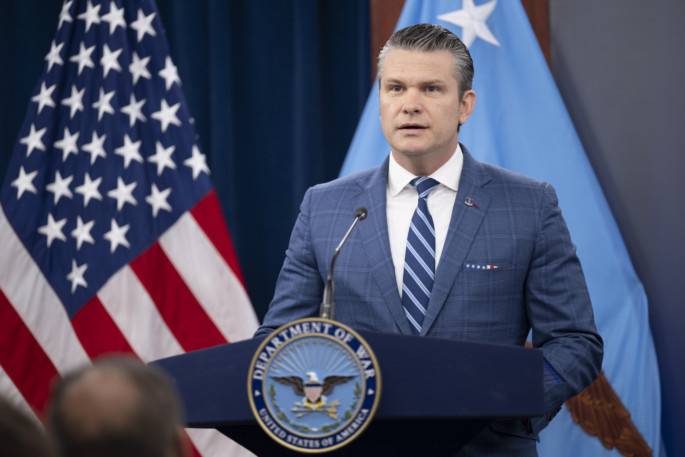
The United States military has announced the resumption of a policy requiring mandatory testosterone testing for service members aged 30 and older. This decision follows a previous pause amid concerns raised by medical experts regarding the implications of such testing. Secretary of Defense Pete Hegseth unveiled the updated guidelines on Friday, emphasizing the need to identify potential testosterone deficiencies to ensure that soldiers can perform at their best.
Hegseth first introduced this policy in July, asserting that it is crucial for maintaining the operational readiness of the military. He stated that the initiative is about "restoring and optimizing your natural capabilities, protecting your longevity, and ensuring you have the biological foundation required to sustain the fight." This framing aligns the policy with the interests of various health influencers and podcasters who have promoted testosterone injections as a means to enhance physical fitness and overall health.
Common Sense Shop
The United States of Common Sense
Amazon shopping links. Sponsor Complete!
However, the policy has not been without its critics. Medical professionals have labeled the program as unnecessary and have raised alarms about potential health complications, including infertility, that could arise from improper application of the testing regimen. The Pentagon had previously paused an earlier iteration of the policy in September to allow for necessary updates and revisions.
The new testosterone testing guidelines will apply exclusively to male service members and will establish standardized screening protocols and treatment pathways for those identified with deficiencies. Testing will be conducted during periodic health assessments and annual evaluations, while younger service members will have the option to request testing if they feel it is necessary.
Debate Over Military Cultural Policies
Hegseth has been a proponent of policies aimed at maximizing military preparedness, but some critics argue that these measures reflect a broader trend of introducing right-wing cultural issues into the military sphere. The Trump administration had previously implemented policies that included banning transgender service members and rolling back protections intended to minimize civilian harm in military operations.
The Common Sense Test
Hegseth emphasized that while significant investments are made in weapon systems and military gear, the most decisive advantage in combat remains the individual warfighter. This statement underscores the administration's focus on enhancing the personal capabilities of service members, even as it faces scrutiny over the implications of its policies.
As the Pentagon moves forward with this controversial policy, the question remains: will the benefits of mandatory testosterone testing outweigh the potential risks highlighted by medical experts? The military's commitment to readiness and effectiveness must be balanced with the health and well-being of its personnel, a challenge that will require careful consideration as implementation begins.