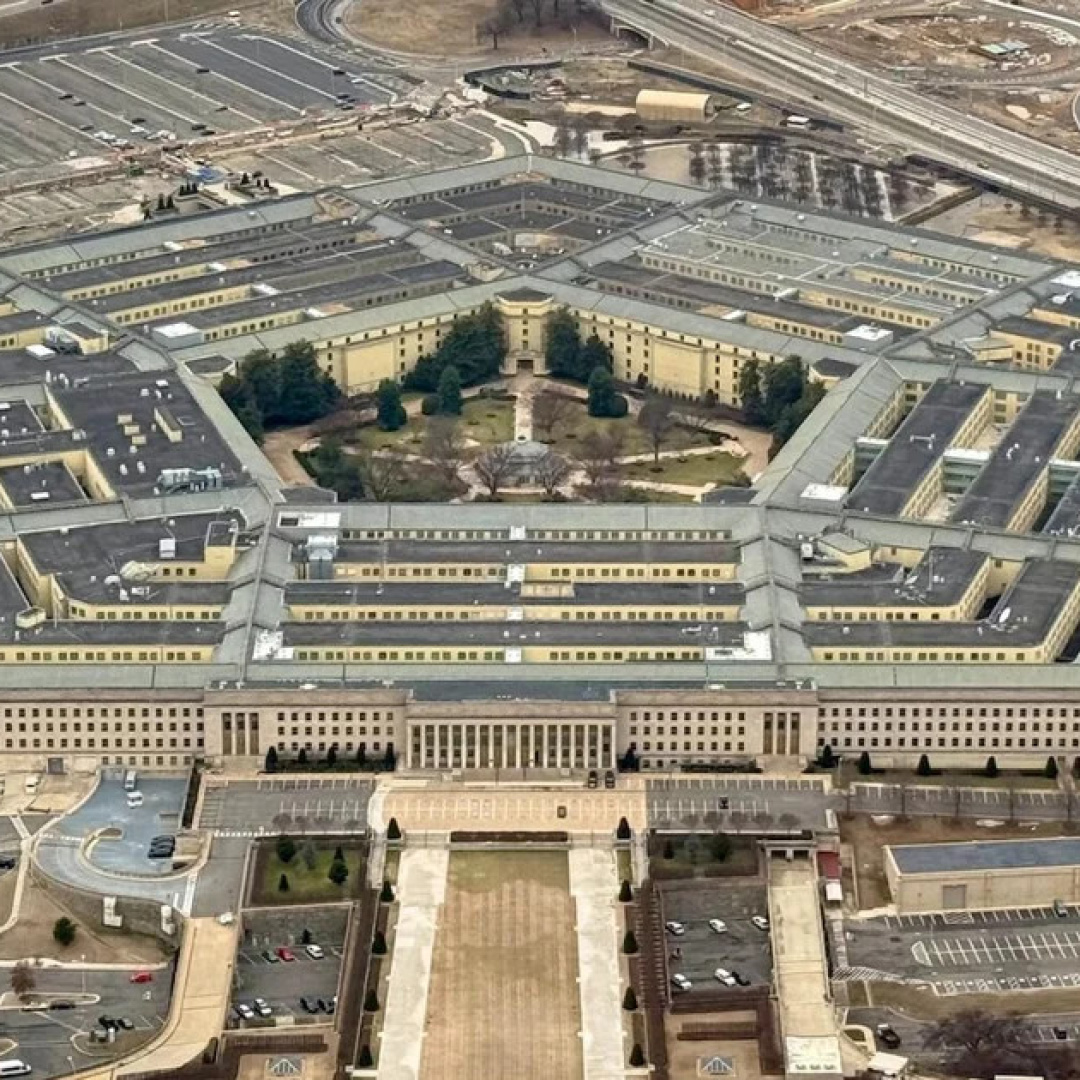
Pentagon Report Reveals Critical U.S. Munition Shortfalls Amid Iran Conflict
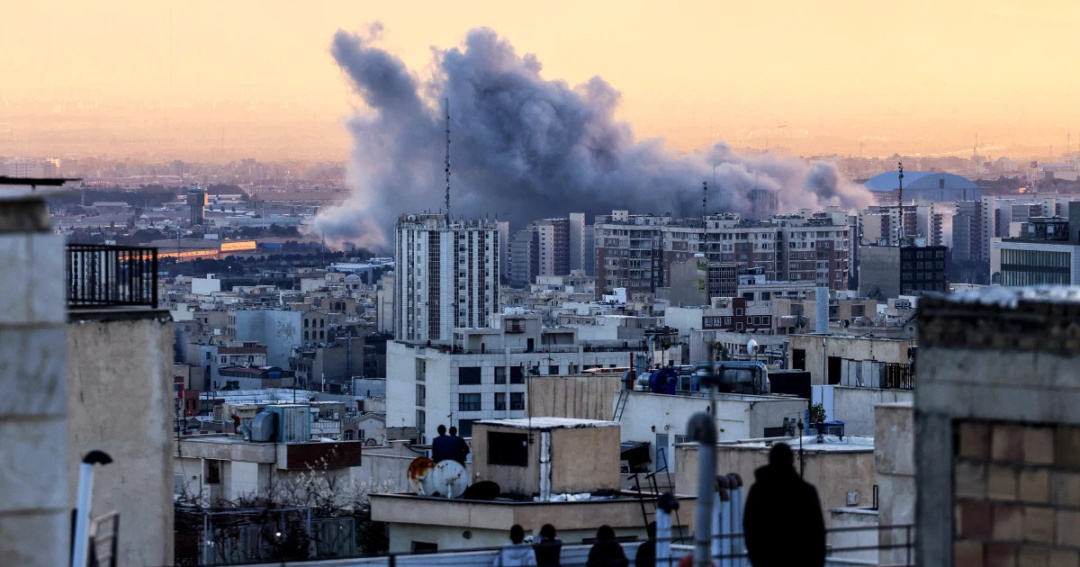
The Pentagon's inspector general has issued a report detailing alarming munitions shortfalls resulting from the ongoing conflict in Iran, known as Operation Epic Fury. This comprehensive audit, covering the period from April 1 to June 30, 2026, was submitted to Congress and outlines significant inventory deficits and industrial bottlenecks impeding munitions resupply.
These findings starkly contrast public assertions made by President Donald Trump and Secretary of War Pete Hegseth, who have claimed that the war has not caused any munitions shortfalls. Trump has gone so far as to label reports of depleted stockpiles as 'treasonous,' insisting that the U.S. military possesses virtually unlimited supplies of mid-to-high grade ammunition.
Common Sense Shop
The United States of Common Sense
Amazon shopping links. Sponsor Complete!
However, reports from various sources, including Middle East Eye, indicate that the U.S. is grappling with a shortage of missile interceptors, leaving Gulf states waiting for air defense munitions. The Associated Press has also highlighted that the conflict has adversely affected the U.S.'s capacity to defend Ukraine, particularly with a critical shortage of advanced missile interceptors, including the Patriots used to counter Russian ballistic missiles.
Further complicating the situation, Reuters has reported that the U.S. has nearly exhausted its stockpile of sophisticated long-range missiles, such as the Army Tactical Missile System and Precision Strike Missiles. An analysis from the Center for Strategic and International Studies revealed a dramatic decline in the number of Patriot interceptors available, dropping from approximately 2,330 before the conflict to around 1,030 by the time a ceasefire was reached in April.
Assessing Damage to U.S. Military Assets
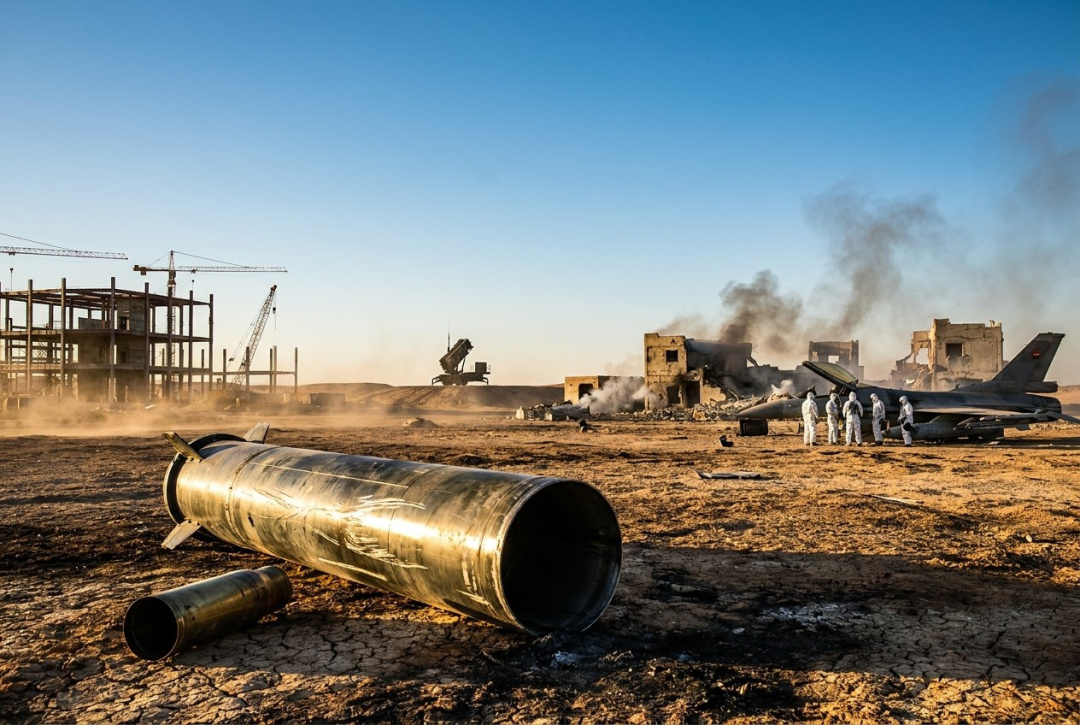
The inspector general's report also documented significant losses to the American fleet, including the destruction of four F-15 fighters, damage to one F-35 fighter, and the loss of up to 30 MQ-9 Reaper drones. Additionally, U.S. bases in the region, including those in Kuwait, Bahrain, and Qatar, have suffered extensive damage from Iranian strikes, raising questions about the future of these installations and the costs associated with their repair.
The report estimates the overall cost of the war at approximately $33.4 billion, which does not include infrastructure repair expenses. Of this total, $3.7 billion accounts for equipment losses, while $22.3 billion has been expended on munitions. A separate analysis from the Congressional Budget Office indicates that the total costs could reach $38.1 billion through August 1, with an additional $2 billion to $3 billion for each subsequent month of conflict.
The Common Sense Test
As of June 30, the report noted that seven U.S. service members had been killed in action, with an additional 417 wounded. The inspector general's findings underscore the pressing need for accountability and transparency regarding the military's operational readiness and the implications of ongoing military engagements.
The War Department has stated it is working to streamline procurement processes and reduce production lead times, but expanding production capacities will require significant time and resources. This raises critical questions about the military's ability to sustain its operations in the face of ongoing challenges and the potential implications for national security.