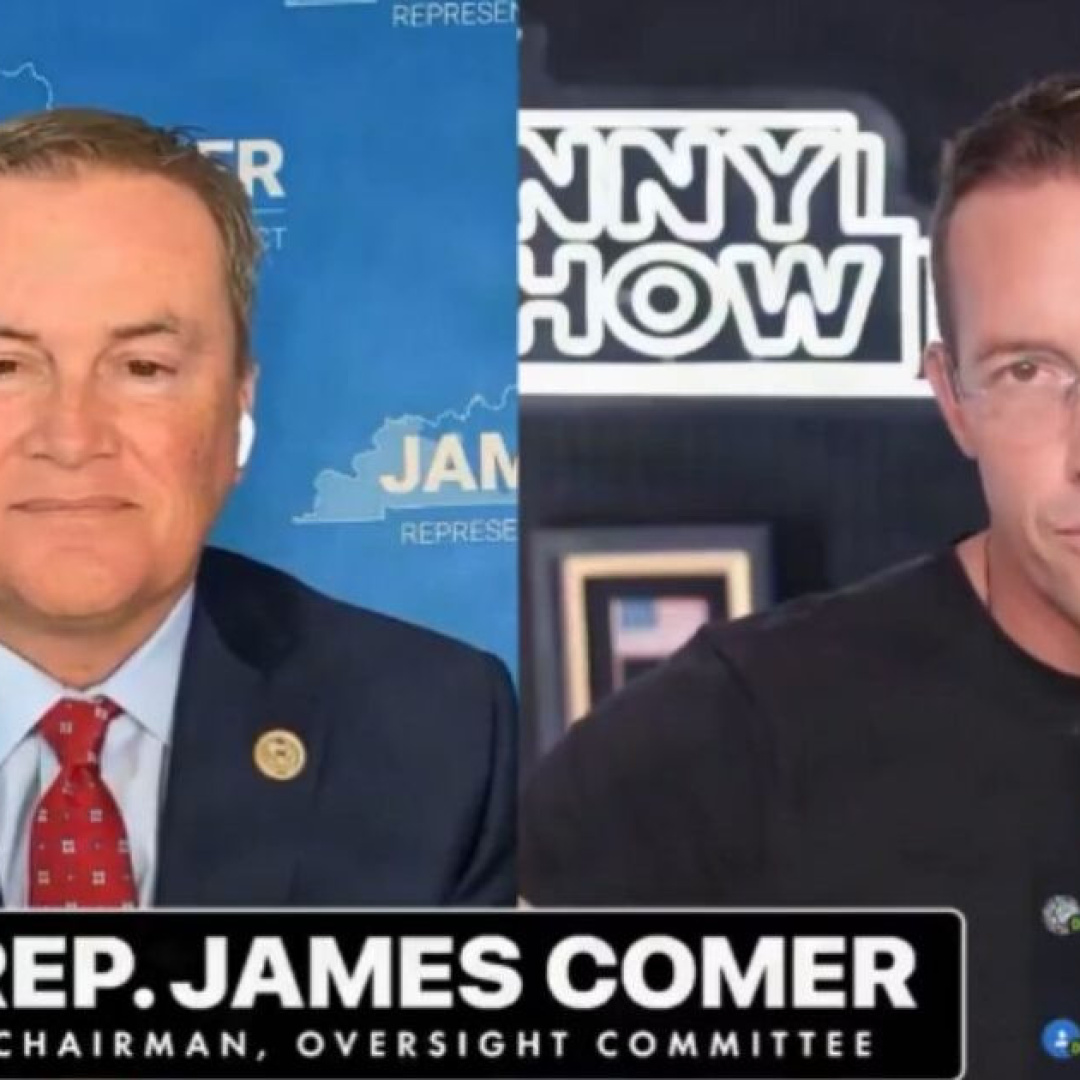
House Passes Ratepayer Protection Act with Strong Bipartisan Support
This week, the House of Representatives voted 417-3 in favor of the Ratepayer Protection Act, marking a pivotal moment in the regulation of data centers that support the burgeoning AI industry and their effects on utility customers' bills. The legislation, co-sponsored by Rep. Gabe Evans (R-CO) and Rep. Kathy Castor (D-FL), is seen as a key initiative for House Republicans as they head into the midterm elections.
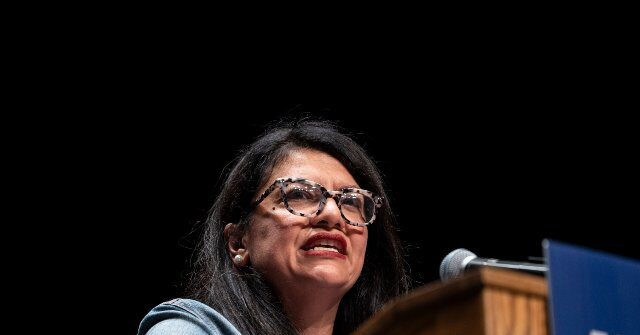
Among the few dissenters was Rep. Rashida Tlaib (D-MI), one of only three Democrats to oppose the bill. Tlaib argues that the measure fails to adequately protect communities from the financial burdens imposed by large data centers. In her view, these facilities should be held accountable for covering the full costs of any necessary system upgrades, rather than passing those costs onto families and small businesses.
Common Sense Shop
The United States of Common Sense
Amazon shopping links. Sponsor Complete!
Evans emphasized the importance of ensuring that large data centers bear the financial responsibility for their energy consumption. "We cannot accelerate this growth on the back of Americans working hard to pay their electric bill at the end of the month," he stated during the debate.
House Majority Leader Steve Scalise also voiced support for the bill, framing it as a necessary step in managing the trade-offs associated with the rapid advancement of technology. He advocated for local decision-making, allowing consumers to benefit from these developments without undue financial strain.
Energy and Commerce Chair Brett Guthrie (R-KY) played a crucial role in advancing the bill, arguing that it aligns with the White House's objectives. President Donald Trump has been vocal in his criticism of overregulation in the AI sector, suggesting a preference for a more business-friendly approach.
Debate Over Accountability in Energy Costs
The Ratepayer Protection Act requires states to consider a federal standard that would make large power customers responsible for covering the entirety of costs associated with new generation and transmission upgrades. However, this provision has drawn criticism from some progressive Democrats who believe it does not go far enough in holding tech companies accountable for the energy infrastructure their operations necessitate.
During the floor debate, Energy and Commerce ranking member Frank Pallone acknowledged the bill's imperfections but expressed his commitment to continuing to address these issues in the future. "This bill is imperfect," he remarked, indicating that it is merely the beginning of a broader conversation about energy costs and technological growth.
The Common Sense Test
With only three weeks left in the legislative session before the November midterms, the Senate will need to act quickly to consider the Ratepayer Protection Act. Senate Majority Leader John Thune has indicated that swift movement will require a consensus agreement among senators. As the integration of AI technology continues to reshape the political landscape, this legislation represents a significant step in addressing the financial implications for everyday Americans.
As this bill progresses through the Senate, it raises essential questions about the balance between technological advancement and consumer protection. The implications of the Ratepayer Protection Act extend beyond just utility bills; they touch on broader issues of corporate responsibility and the role of government in regulating emerging technologies. Ensuring that tech giants contribute fairly to the infrastructure they rely on is a crucial step in safeguarding the interests of American families and small businesses against rising energy costs. This legislation could set a precedent for how future technological developments are managed in relation to public utility expenses, making it a significant topic for ongoing political discourse.