U.S. Schools Fail Despite Record Spending, Parents Demand Change
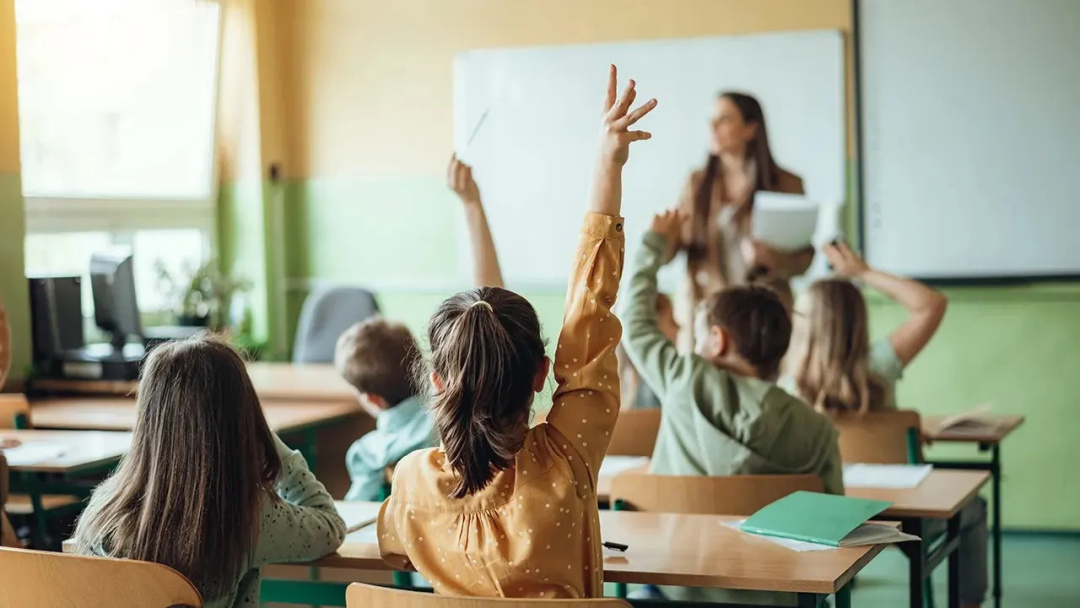
The latest Programme for International Student Assessment (PISA) scores have confirmed what many parents have felt for years: American schools are failing to deliver quality education. Recent results show that U.S. 15-year-olds have achieved some of the lowest scores in reading and math in a generation, with reading scores dropping 14 points. This decline is particularly troubling given that the United States now spends more on education than any other country, averaging over $21,000 per student.
The dissatisfaction among parents is palpable, with a Gallup poll indicating that a staggering 67% of adults are unhappy with K-12 education. This crisis has fueled momentum for school choice initiatives, as families seek alternatives to a system that many believe is broken. The traditional public school monopoly, supported by powerful teachers unions, has become increasingly disconnected from the needs of students and parents alike.
Common Sense Shop
The United States of Common Sense
Amazon shopping links. Sponsor Complete!
As enrollment in public schools declines, the staffing levels have paradoxically increased. Since 2014, government schools have added approximately 620,000 employees, even as student enrollment has dropped by about 775,000. This trend raises questions about whether the education system is prioritizing the needs of students or serving as a jobs program for adults.
Consider the case of Frederick Douglass Academy High School in Chicago, which was built to accommodate over 1,000 students but now only serves 27 children while employing 28 adults. Despite spending more than $90,000 per pupil, not a single student was found proficient in math or reading. This example illustrates the inefficiencies plaguing the system.
New York City faces similar issues, with 43% of students attending failing schools where proficiency rates in math and reading are alarmingly low. The city spends over $40,000 per child, amounting to more than half a million dollars for each student's K-12 education, yet the results remain dismal.
Parents Reassess Education Post-Pandemic
The COVID-19 pandemic served as a wake-up call for many parents, who began to recognize the shortcomings of the education system. In response, 18 states have enacted universal school choice policies in the past six years. The reopening of schools did not restore trust; instead, it highlighted the ongoing political indoctrination and ideological battles taking place within the classroom.
Families are increasingly opting out of the public school system, with homeschooling in New York surging by over 200% in the last 15 years. This trend indicates a growing dissatisfaction with the traditional education model, particularly in a state known for its restrictive homeschooling regulations.
Texas has also seen a surge in demand for school choice, with over 100,000 students currently on waitlists for programs that offer alternatives to public schooling. The state has made progress, but many believe it should eliminate funding caps to better serve families seeking educational freedom.
The Common Sense Test
With the current educational landscape in disarray, now is the time to accelerate the school-choice revolution. Funding should follow students, not systems, allowing families to escape the clutches of teachers unions and ensuring that no child is trapped in a failing school.
The evidence is clear: American schools are failing our children despite record levels of funding. The time has come for policymakers to prioritize student needs over bureaucratic interests and to embrace school choice as a viable solution. Only then can we hope to restore quality education and empower families to make the best choices for their children's futures.