Tim Cook's Diplomatic Role Shields Apple from Controversy

Tim Cook, the executive chairman of Apple, is stepping into a diplomatic role that aims to protect the company from the controversies that often arise in the intersection of corporate values and government policies. One of the most challenging aspects of his previous position as CEO was managing Apple's stance on sensitive issues such as immigration policy and diversity, equity, and inclusion (DEI). In his new capacity, Cook retains the responsibility of liaising with government entities, which allows him to shield his successor, John Ternus, from unnecessary distractions and potential backlash.
Cook's challenges are not new. Back in 2018, significant changes to U.S. immigration policy caused considerable anxiety among Apple employees, prompting Cook and other CEOs to voice their concerns to the administration. They articulated that these changes could disrupt company operations and affect thousands of workers. His ability to navigate these complex issues has been a critical part of his leadership.
Common Sense Shop
The United States of Common Sense
Amazon shopping links. Sponsor Complete!
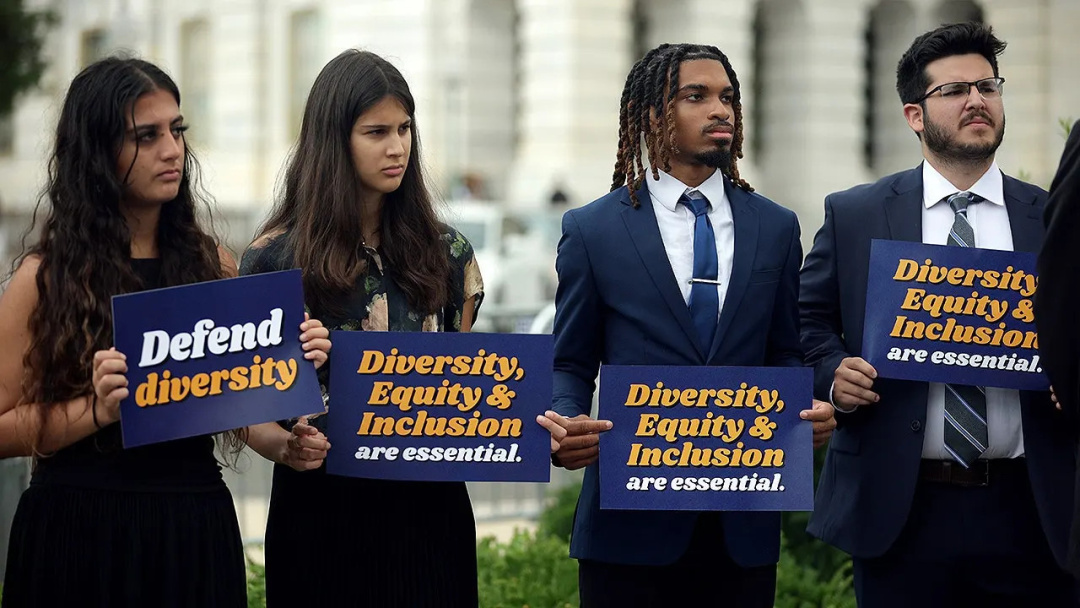
Last year, Cook faced pressure when former President Trump suggested that Apple should eliminate its DEI policies. Cook responded by affirming that while the company would comply with legal changes, it would not compromise its core values. This balancing act between adhering to governmental expectations and maintaining the company's ethical standards is a hallmark of Cook's leadership style.
As executive chairman, Cook's role has expanded to include engaging with policymakers globally, which is vital as Apple continues to operate in a politically charged environment. His upcoming attendance at a White House state dinner for Chinese President Xi Jinping underscores the importance of his diplomatic approach, especially at a time when U.S.-China relations are fraught with tension over issues like artificial intelligence and international trade.
Navigating U.S.-China Relations Through Diplomacy
The dinner represents not just a social gathering but a critical moment for U.S.-Chinese relations, particularly in the context of the burgeoning AI industry. With geopolitical tensions simmering, Cook's presence at such events is strategic, allowing him to foster relationships that could benefit Apple while minimizing the risks associated with controversial policies.
The Common Sense Test
By taking on this diplomatic role, Cook is effectively allowing Ternus to focus on leading Apple without the added burden of navigating politically sensitive waters. While Ternus will still need to respond to controversial policies, having Cook handle official communications provides him with greater latitude. This strategic division of responsibilities is a calculated move to ensure that Apple can operate smoothly without being mired in political controversies that could distract from its core business objectives.
In conclusion, Tim Cook's proactive approach to government relations is a testament to his understanding of the intricate relationship between corporate America and government policy. As he continues to engage with key policymakers, the implications for Apple and its workforce remain significant. Cook's ability to maintain this balance will be crucial as the company navigates the complexities of a rapidly changing political landscape.