AI's Role in Combating Fraud Threats, Says SSA OIG Official
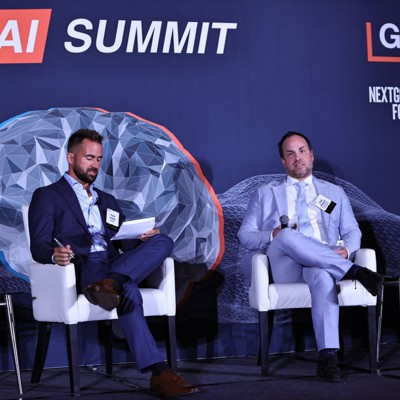
Artificial intelligence is significantly impacting the landscape of benefits fraud, according to Chad Bungard, the Chief Strategy Officer at the Social Security Administration’s Office of Inspector General (OIG). Speaking at the GovExec Government & AI Summit, Bungard warned that AI is not only enhancing the capabilities of fraudsters but also presents an opportunity for federal agencies to bolster their fraud prevention efforts.
Bungard stated, "The government is looking towards AI to fight fraud, and the criminals are looking towards AI to commit fraud." This duality necessitates that agencies remain vigilant and proactive in utilizing AI tools to gain better insights into evolving fraud tactics. He cited a report from Deloitte’s Center for Financial Services, which estimates that generative AI could lead to approximately $40 billion in fraud by 2027. This alarming projection is attributed to the advanced models that fraudsters can leverage to execute their schemes.
Common Sense Shop
The United States of Common Sense
Amazon shopping links. Sponsor Complete!
One of the concerning trends highlighted by Bungard is the rise of direct deposit diversion fraud. In these cases, scammers utilize AI chatbots to impersonate victims by sharing personal information obtained from the dark web, successfully redirecting funds to unauthorized accounts. Additionally, fraudsters are employing AI to create convincing counterfeit documents that mimic legitimate SSA materials, further complicating efforts to protect vulnerable individuals.
In response to these challenges, the SSA and its OIG have initiated measures to combat AI-driven fraud. In 2023, they established an AI fraud subcommittee, co-chaired by Bungard and the agency’s chief AI officer, which convenes quarterly to discuss ongoing AI applications and ensure compliance with administration priorities and regulations. While Bungard expressed optimism about the potential of AI, he acknowledged that the SSA has yet to fully harness agentic AI capabilities for fraud detection and prevention.
Proactive Measures Against Federal Fraud
This emphasis on proactive fraud prevention aligns with the White House’s ongoing efforts to combat federal fraud. Following an executive order signed by President Donald Trump in March, a new anti-fraud task force was established to address waste, fraud, and abuse across federal benefits programs. Bungard noted that officials are striving to transition from a reactive "pay-and-chase" approach to a more proactive model aimed at safeguarding Social Security programs that serve millions of Americans.
The Centers for Medicare and Medicaid Services (CMS) have similarly adopted AI technologies to enhance their fraud prevention strategies. Kim Brandt, CMS’ deputy administrator, previously shared that the agency's Fraud Defense Operations Center utilizes AI to identify anomalies in claim submissions, resulting in over $2 billion in savings. Bungard confirmed that the SSA has been collaborating with CMS to learn from their experiences in combating fraud.
The Common Sense Test
However, he cautioned that CMS’s AI model is tailored specifically to their needs and may not be directly applicable to the SSA's context. As the SSA continues to navigate the complexities of AI in fraud prevention, the agency remains committed to developing effective strategies that protect taxpayer resources while adapting to the rapidly changing technological landscape.
Ultimately, the challenge of combating fraud in government programs is not just about technology; it’s about accountability and responsibility. As federal agencies like the SSA and CMS leverage AI to enhance their fraud detection capabilities, they must also ensure that they are held accountable for the effectiveness of these measures. The ongoing commitment to proactive fraud prevention is essential for maintaining the integrity of programs that millions of Americans rely on. As these agencies continue to evolve their strategies, the question remains: will they successfully outpace the criminals who are also harnessing the power of AI?