Chancellor Merz Faces Critical State Elections After AfD Defeat

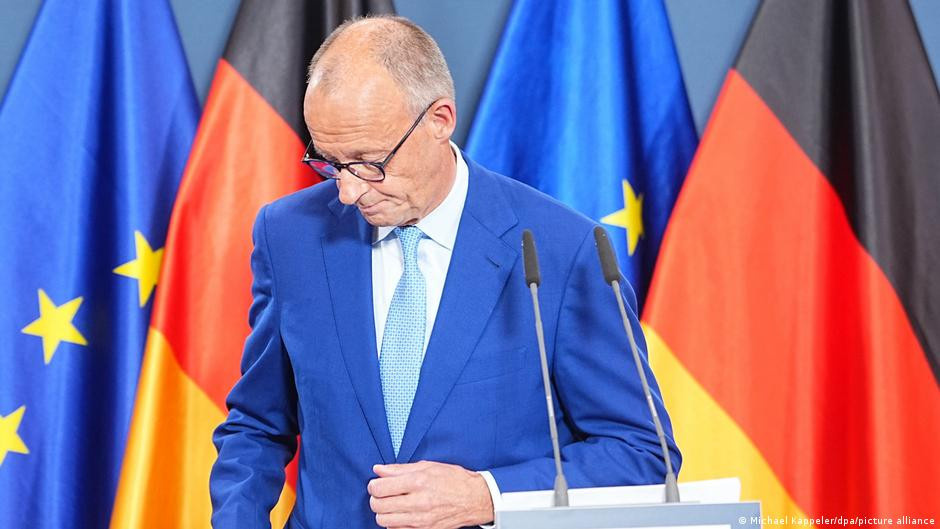
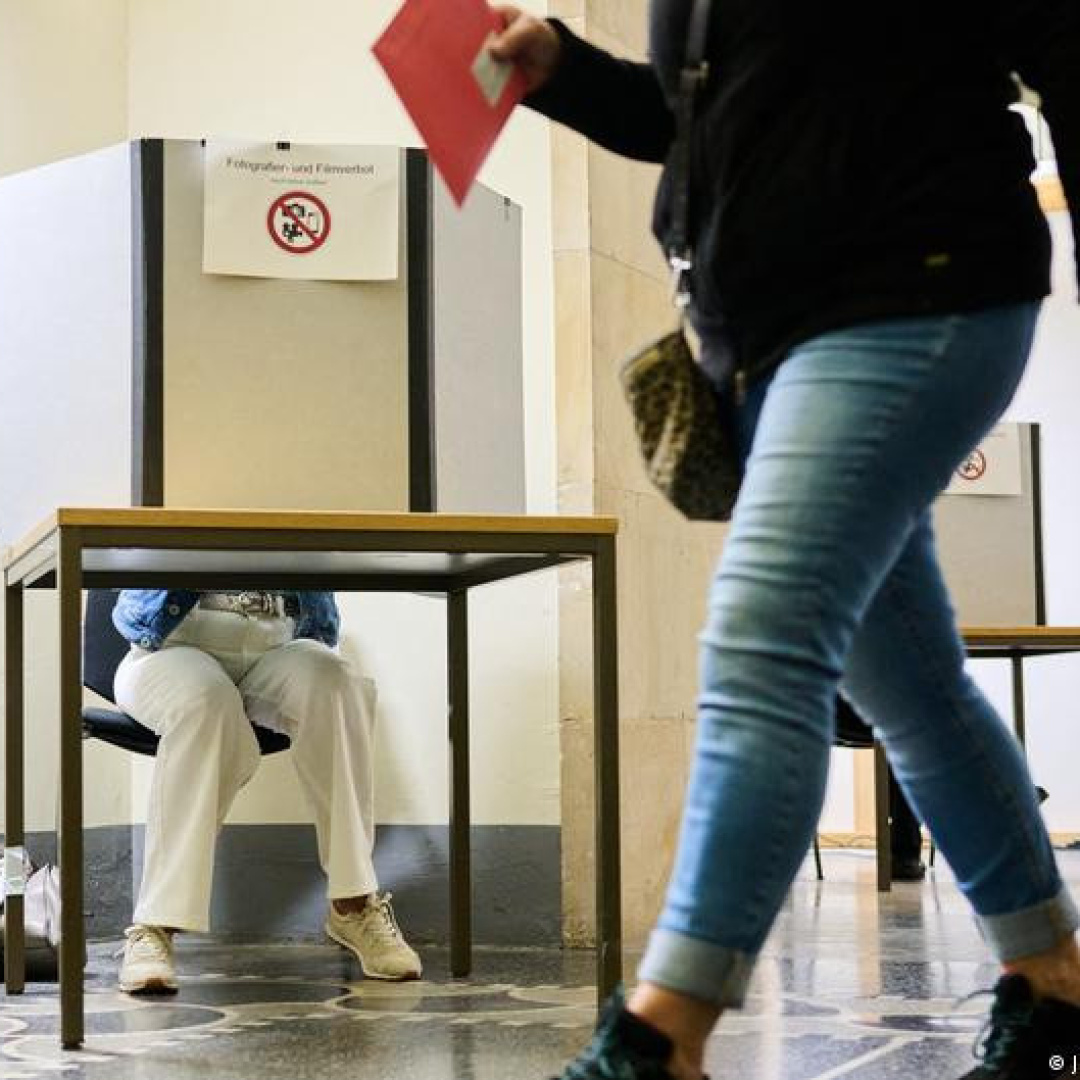
Chancellor Friedrich Merz is facing a crucial test as Germany prepares for two state elections on September 20. This comes on the heels of a stunning defeat for his party, the Christian Democratic Union (CDU), at the hands of the far-right Alternative for Germany (AfD), which recently won 44 percent of the vote compared to the CDU's 17 percent in Saxony-Anhalt. The upcoming elections in the city-state of Berlin and the northeastern state of Mecklenburg-Western Pomerania are expected to be tight races, each with distinct electoral dynamics that could further complicate Merz's leadership.
The AfD is poised to make significant gains in both states, raising alarms within the CDU. Merz, who has been in power for just over a year, is under increasing pressure as his party's approval ratings plummet. Following the recent electoral setback, speculation about his future as leader of Germany's largest economy has intensified. In an effort to rally support, eight CDU state premiers issued a joint statement emphasizing the need for stability rather than personnel discussions.
Common Sense Shop
The United States of Common Sense
Amazon shopping links. Sponsor Complete!
Merz has committed to revitalizing Germany's struggling economy, enhancing military readiness to counter threats from Russia, and addressing immigration concerns to win back voters from the AfD. During a campaign event in Berlin, he highlighted improved economic forecasts, asserting that the country is on a path to recovery, albeit with much work still needed.
However, the reality is stark: the AfD currently leads in national polls, and Merz's personal approval ratings languish around a mere 10 percent. His coalition with the center-left SPD is fraught with internal strife, further complicating his position. In the upcoming election in Mecklenburg-Western Pomerania, the CDU may find itself relegated to the sidelines as the primary contest unfolds between the SPD and the AfD. Recent polling indicates the AfD at 37 percent, closely followed by the SPD at 35 percent, while the CDU trails significantly at just 7 percent, dangerously close to the critical 5 percent threshold needed to maintain representation in the state parliament.
Consequences of Electoral Failure for Merz
A failure to clear this threshold would mark a historic low for the CDU and could lead to immense pressure on Merz to resign. Political analyst Ursula Muench suggests that if the CDU does not meet the threshold, it is likely that party members will push for Merz's departure, although she does not foresee such a drastic outcome in the immediate future.
The Common Sense Test
In Berlin, the CDU is locked in a competitive race against the far-left Die Linke, which has garnered support among younger voters by proposing bold solutions to the city's housing crisis. A defeat in the capital would further tarnish Merz's reputation and leadership.
Despite the challenges, the AfD is expected to perform well in Berlin as well, although it will likely remain excluded from power due to a coalition of the other main parties that have agreed to a non-cooperation pact with the far-right group. As these elections approach, the stakes are high for Merz and the CDU, raising questions about the future direction of German politics and the potential resurgence of the far-right in a country still grappling with its historical legacy.