Trump's White House Media Ban Faces Legal Challenges Over First Amendment
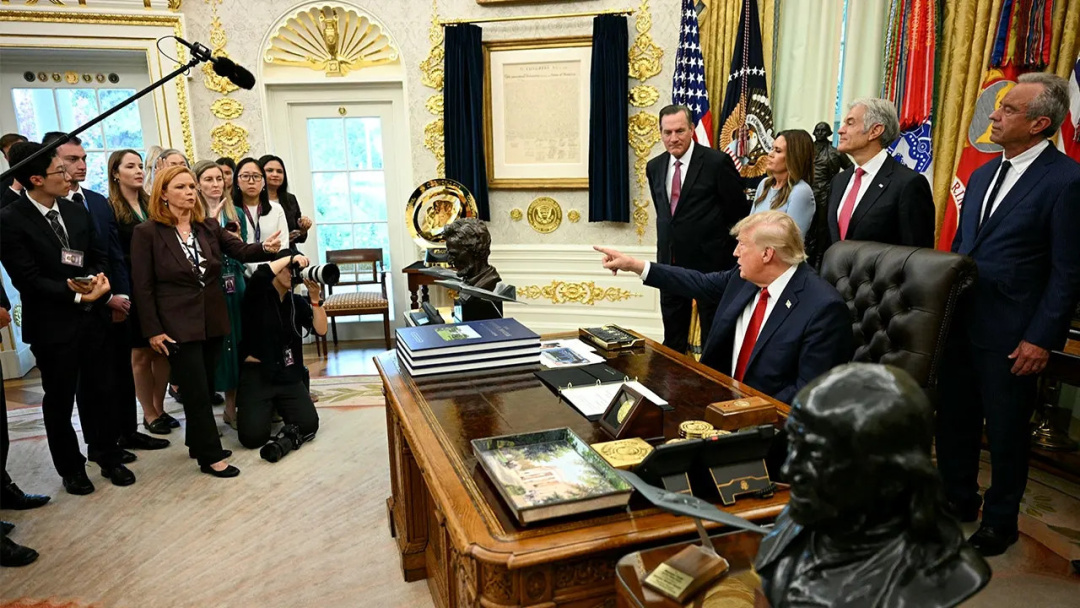
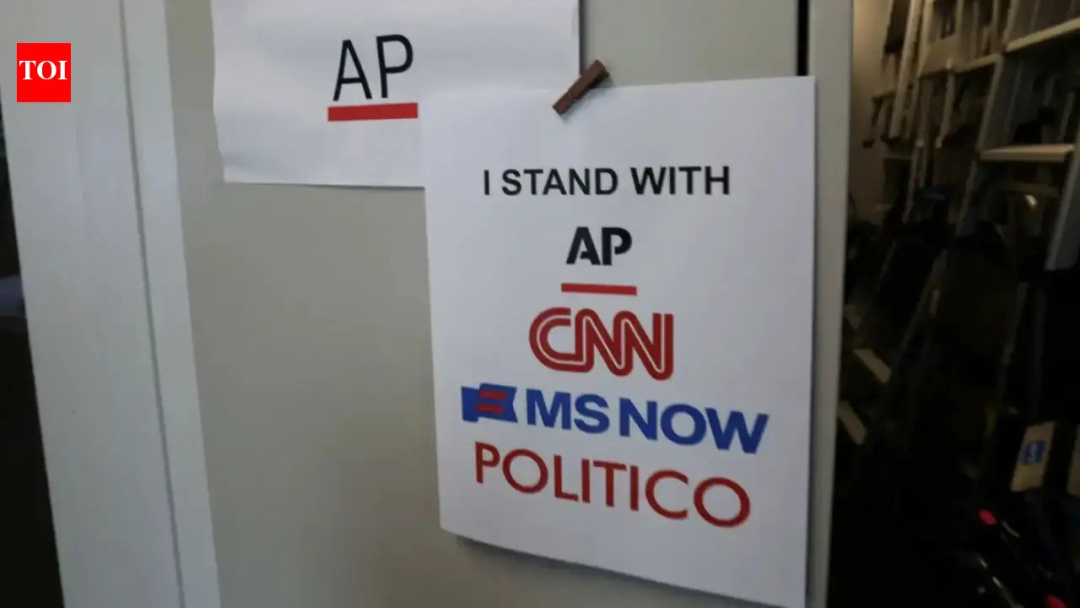
A First Amendment attorney has expressed skepticism over the Trump administration's ability to successfully defend its recent decision to ban three media outlets from the White House grounds. Following President Donald Trump's announcement on Friday that CNN, MS NOW, and Politico would be prohibited from accessing the White House, legal experts are weighing in on the potential ramifications of this controversial move.
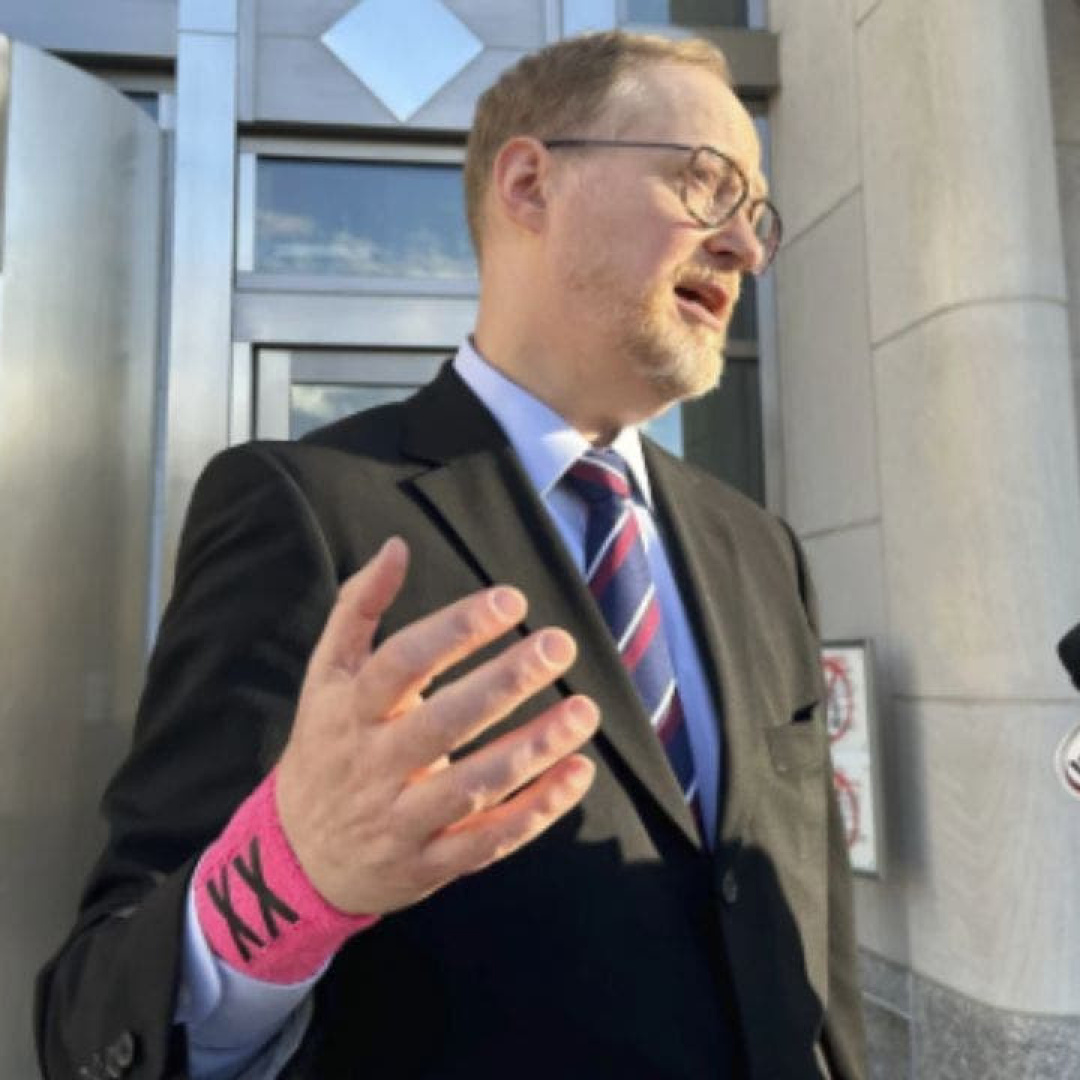
Aaron Terr, director of public advocacy at the Philadelphia-based Foundation for Individual Rights and Expression (FIRE), stated that the administration's actions appear to be blatantly unconstitutional. "I think the Trump administration will not fare well in court because its action here is blatantly unconstitutional," Terr asserted. Trump justified the ban by claiming that these outlets have consistently reported "FAKE NEWS," arguing that they should not be allowed to cover the presidency if they are not truthful in their reporting.
Common Sense Shop
The United States of Common Sense
Amazon shopping links. Sponsor Complete!
In response to the ban, reporters from the affected outlets relocated their equipment to Pennsylvania Avenue, continuing to report from outside the White House. The White House, however, has remained resolute in its stance, with officials stating, "The Fake News has no place demanding a spot in the President’s Oval Office. The lies they smear are a disservice to the American public and tear at the very fabric of our Democracy. They’re completely capable of reporting from directly outside."
The situation escalated further when the three news outlets filed a lawsuit against Trump, seeking an injunction to temporarily halt the ban and restore their White House credentials. This legal action underscores the critical role of a free press in a democratic society. In a joint statement, members of the White House press pool, including Fox News, ABC News, CBS News, and NBC News, voiced their support for CNN, MS NOW, and Politico, emphasizing that the public has a vital interest in receiving accurate and independent information about its government.
First Amendment Protections at Stake
Terr emphasized that while media bias is a concern, the alternative of government-controlled media would lead to far worse outcomes. "The First Amendment is designed to prevent exactly that type of government control over the flow of information in a free society," he noted. He further explained that once a media outlet is granted access to the White House, that access cannot be revoked based on ideological differences or negative coverage. This principle is rooted in the broader First Amendment protections against government retaliation for protected speech.
The implications of this case extend beyond the immediate ban. Jacqui Heinrich, president of the White House Correspondents' Association (WHCA), stated that the revocation of access for these journalists violates the First Amendment and could set a dangerous precedent for future administrations. "A standard used to exclude one news outlet because of its coverage could be applied to any outlet in the future," she warned.
The Common Sense Test
As the legal battle unfolds, it raises critical questions about the balance between presidential authority and the rights of the press in America. The administration's defiance in the face of legal challenges highlights the ongoing tensions between the Trump White House and the media, a relationship fraught with accusations and counterclaims. The outcome of this lawsuit could have significant implications for press freedoms and the administration's relationship with the media moving forward.
Ultimately, the question remains whether the Trump administration can justify its actions in court without infringing on the fundamental principles of free speech and press access. The American public deserves transparency and accountability from its government, and any attempt to silence dissenting voices in the media could undermine the very foundations of democracy. As this case progresses, it will be crucial to observe how the courts navigate the complex interplay between executive power and constitutional rights.