Mary Peltola's Tax Proposals Raise Questions About Her Affordability Claims
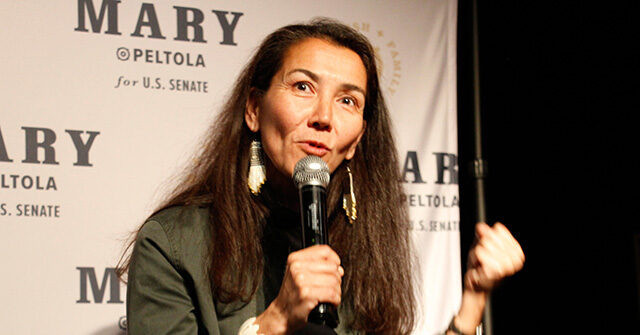
Mary Peltola, the Democrat U.S. Senate nominee from Alaska, has a troubling history regarding taxation that raises questions about her recent claims to lower taxes as part of her 2026 affordability plan. During her tenure in the Alaska House, Peltola, then known as Mary Kapsner, supported state tax proposals that would have imposed new income taxes on residents. In 2002, she participated in closed-door meetings with five other lawmakers to formulate a tax plan that included a 1.5 percent statewide income tax, projected to raise nearly $300 million, alongside a 1.5 percent statewide sales tax and increases on gasoline, alcohol, and cruise ship passengers expected to generate another $200 million.
Peltola voted twice in 2002 for the statewide income tax, which critics argued would hit middle-income Alaskans the hardest while protecting the wealthy. The Anchorage Daily News editorial from May 2002 labeled the proposal as the "misnamed Alaska Fair Tax," highlighting its regressive nature. This pattern continued in 2004 when she co-sponsored another statewide income tax bill that would have required most Alaskans to pay an additional 15 to 20 percent of their federal tax bill to the state.
Common Sense Shop
The United States of Common Sense
Amazon shopping links. Sponsor Complete!
Now, as she claims she will fight to cut taxes, Peltola states that "Alaskans should be able to keep more of the money that they earn in their own pockets." However, this assertion seems at odds with her previous support for tax increases. Furthermore, she has criticized President Donald Trump’s Working Families Tax Cuts, which were touted as the largest middle-class tax cut in history. Tax filers earning between $100,000 and $200,000 received an average tax cut of more than $1,250, while those earning between $50,000 and $100,000 saw an average cut of over $815.
Contradictions in Peltola's Political Actions
Peltola has also made fishing a cornerstone of her political brand, incorporating it into her campaign through various initiatives, including a salmon-themed video game and a supporting super PAC called the Fish Family Freedom Fund. Despite this, during her first term in Congress, she did not sponsor any fish-related legislation. Over roughly a decade in the Alaska House, she introduced just one bill related to fishing—a loan program for fishermen behind on their taxes, allowing them to borrow money and repay it with interest. Additionally, her attendance record raises eyebrows; she missed 794 of over 4,000 votes during her five terms in the Alaska House and 22 meetings of the Bethel City Council. While her campaign has attributed some absences to maternity leave, it still reflects a concerning level of disengagement.
The Common Sense Test
Peltola's past tax proposals and her current claims to lower taxes present a contradiction that cannot be overlooked. Voters deserve clarity on her true stance regarding taxation and affordability. As she positions herself for the upcoming election, it remains to be seen whether her promises will align with her legislative history or if they are merely a political strategy to win over constituents who are rightly concerned about their financial burdens.
In the end, the question remains: can voters trust Mary Peltola's promises of tax cuts given her past support for tax increases? As she campaigns for the Senate, her record will be scrutinized, and the implications of her previous actions will weigh heavily on her credibility. Alaskans are right to demand accountability and a clear understanding of how she intends to balance her past decisions with her current promises. The stakes are high, and the need for genuine fiscal responsibility has never been more critical.