Trump Suggests Progress in U.S.-Iran Relations Amid Tensions
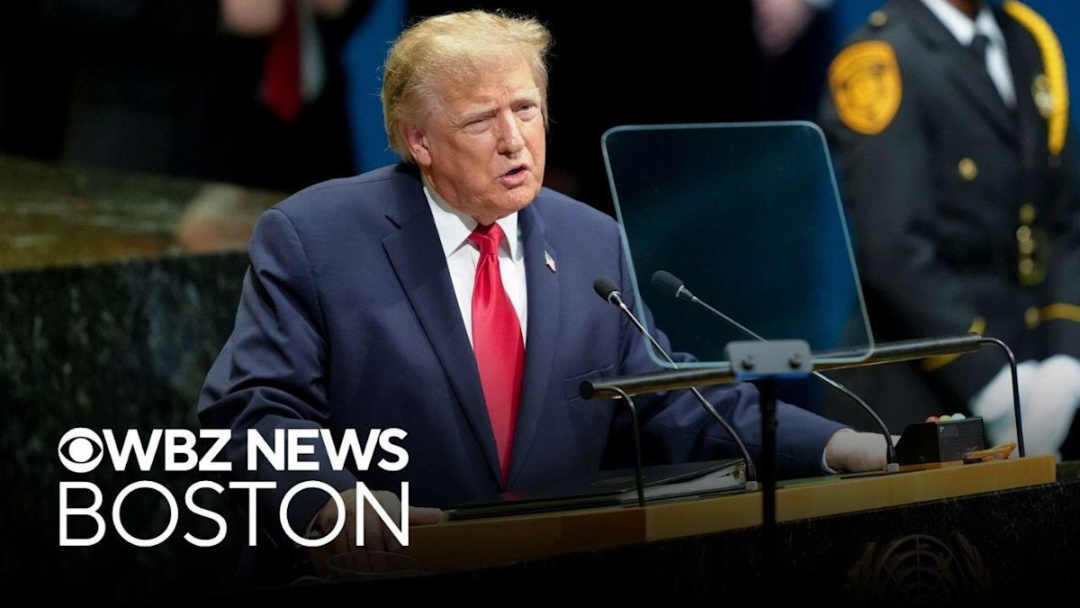
In a speech delivered at the United Nations on September 22, President Donald Trump suggested that the United States and Iran could be on the verge of a diplomatic breakthrough. Trump, while emphasizing the potential for military action against Iran, stated, "I have a big decision to make. Will a deal be made with Iran that lets them rebuild and create a far greater country than it ever was before?... Or do I annihilate the Islamic Republic and do it quickly, never giving them a chance to kill and destroy people and countries again?" This statement underscores the precarious balance between diplomacy and military readiness that the Trump administration is navigating.
Iran's Armed Forces dismissed Trump's comments as mere propaganda, asserting their readiness to respond to any aggression with severe consequences. Despite the heated rhetoric, discussions aimed at resolving the nearly seven-month conflict, which has escalated tensions in the region and affected global oil prices, are ongoing. U.S. envoy Steve Witkoff reported that mediators have been facilitating talks between the two nations during the UN General Assembly, with hopes that these discussions could yield constructive outcomes.
Common Sense Shop
The United States of Common Sense
Amazon shopping links. Sponsor Complete!
The situation in the Middle East is further complicated by the interests of regional allies. Trump met with leaders from several Middle Eastern countries who are eager to restore shipping routes through the Strait of Hormuz, a vital artery for global oil transportation. However, these nations are cautious about granting Iran too much influence in the region. Trump indicated that a resolution might be possible soon, potentially aligning with the upcoming midterm elections in November, which could significantly impact his political standing.
Iran's Diplomatic Moves for Economic Relief
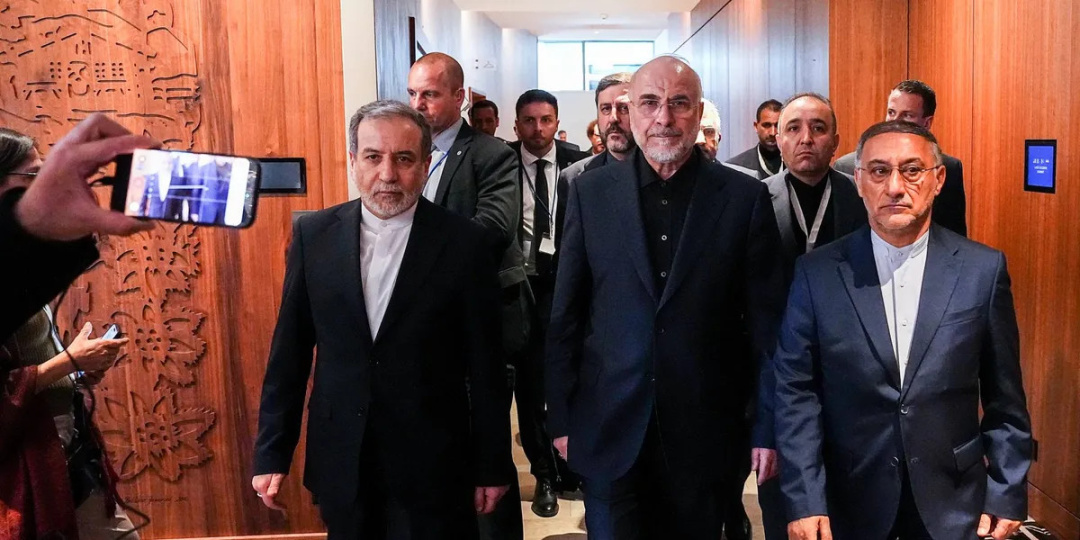
Iranian Foreign Minister Abbas Araqchi's recent meetings with Qatari officials highlight Tehran's willingness to negotiate. A senior Iranian official claimed that Iran could reopen the Strait of Hormuz within days if the U.S. were to ease military pressure and lift the blockade on Iranian ports. This proposal reflects Iran's strategic positioning and its desire to regain economic stability amid ongoing sanctions.
The Common Sense Test
As the conflict continues, the implications for global oil markets and regional security remain significant. The U.S. has faced pressure to respond to Iranian aggression, particularly as Saudi Arabia grapples with threats to its oil exports from Iran-aligned Houthi fighters in Yemen. The complexity of the situation is evident, as Trump has recently refrained from committing U.S. forces to combat the Houthis, citing the intricate nature of the conflict.
The ongoing negotiations and potential agreements between the U.S. and Iran will have profound implications not only for the involved nations but also for global economic stability. The stakes are high, with energy costs and regional security hanging in the balance. As the situation develops, it will be crucial to observe how the U.S. balances its diplomatic efforts with the need to maintain a strong stance against Iranian aggression. The outcome of these talks could redefine U.S.-Iran relations and impact the broader geopolitical landscape in the Middle East.