Klopp Advocates for Positive Patriotism Amid Far-Right Gains

Germany coach Juergen Klopp has made a compelling call for citizens to embrace 'positive patriotism' and reclaim their national pride from far-right groups, particularly the Alternative for Germany (AfD), following the party's recent electoral victories. Speaking at a news conference to announce a split squad for upcoming Nations League matches, Klopp emphasized that Germans should feel free to express pride in their country without being associated with extremism. "I don't want to leave national pride to the wrong people," Klopp stated, a sentiment that resonates deeply in a nation grappling with its historical past.
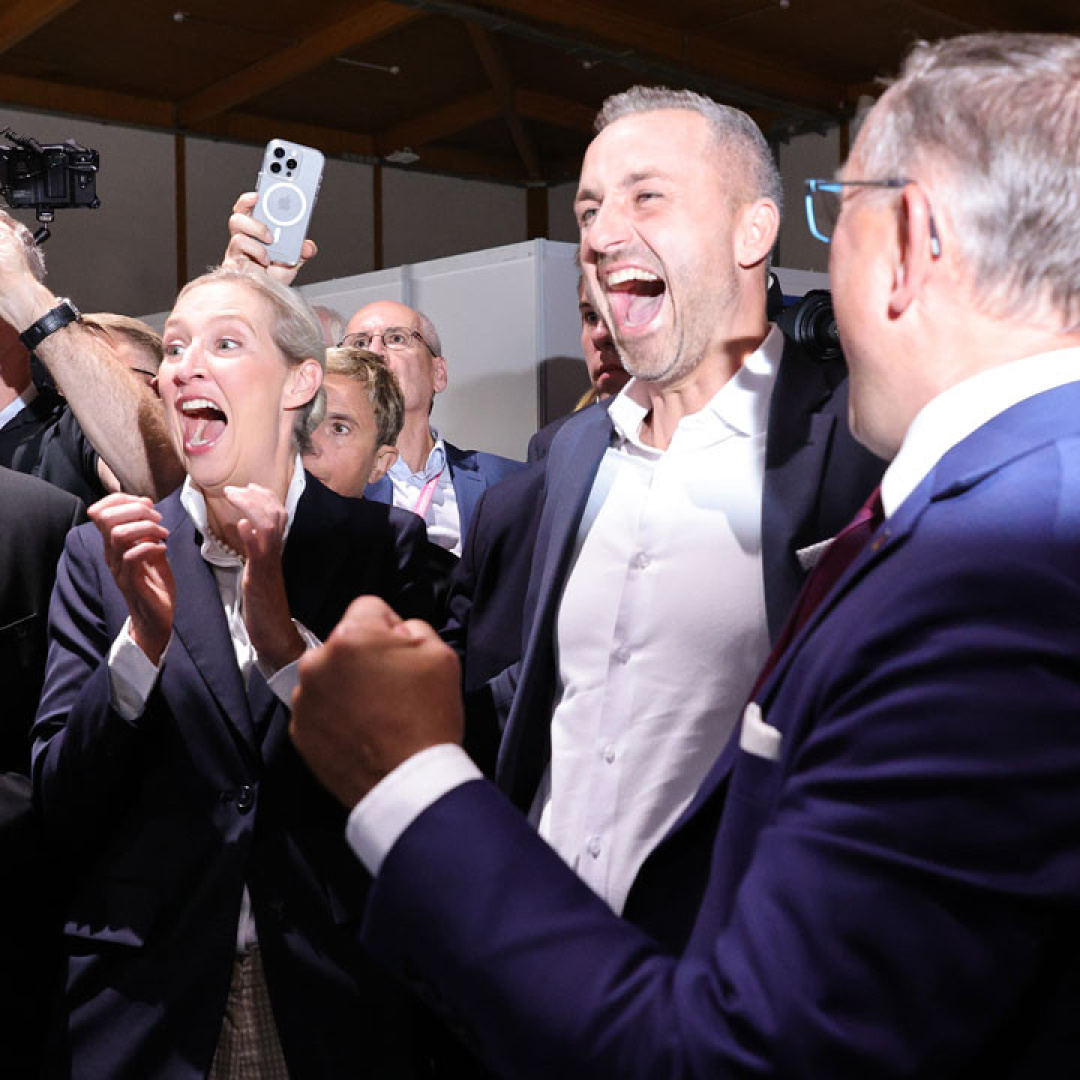
While he refrained from directly naming the AfD, Klopp's message was clear: he wishes to 'reclaim the flag' from those who misappropriate it for extremist agendas. "When someone waves it, I want it to signify happiness and gratitude for being part of this wonderful country," he explained. His comments come in the wake of the AfD's significant electoral success in Saxony-Anhalt, where it emerged as a formidable force against mainstream parties, raising concerns about the rise of far-right politics in postwar Germany.
Common Sense Shop
The United States of Common Sense
Amazon shopping links. Sponsor Complete!
Klopp acknowledged the complexities of expressing national pride in a country that has historically viewed such displays through the lens of its Nazi past. The former Liverpool manager, now tasked with leading the national team against the Netherlands on September 24, prefers the term "positive patriotism" over "national pride," fearing the latter could be misconstrued. He posed a poignant question: "Can you be proud to be German and still be open, diverse, nice, and friendly? Can you still show compassion?" His answer was a resounding yes.
The Common Sense Test
The reaction to Klopp's remarks has been mixed, with some political figures supporting his call to reclaim national symbols from extremists. Franziska Hoppermann, secretary general of Chancellor Friedrich Merz's Christian Democrats, welcomed the notion of wearing national colors with pride, asserting that these symbols represent freedom rather than extremism. This conversation is particularly timely, as the AfD prepares to potentially lead the government in Saxony-Anhalt, marking a significant shift in the political landscape.
The implications of Klopp's statements are profound, as they touch on the broader theme of national identity in a country still navigating the shadows of its past. The challenge lies in fostering a sense of pride that is inclusive and reflective of Germany's diverse society, rather than one that is co-opted by extremist factions. As the national discourse evolves, the question remains: how can Germany cultivate a positive expression of patriotism that honors its history while embracing its future?