Major US Networks Halt Trump Coverage in Protest of CNN Ban
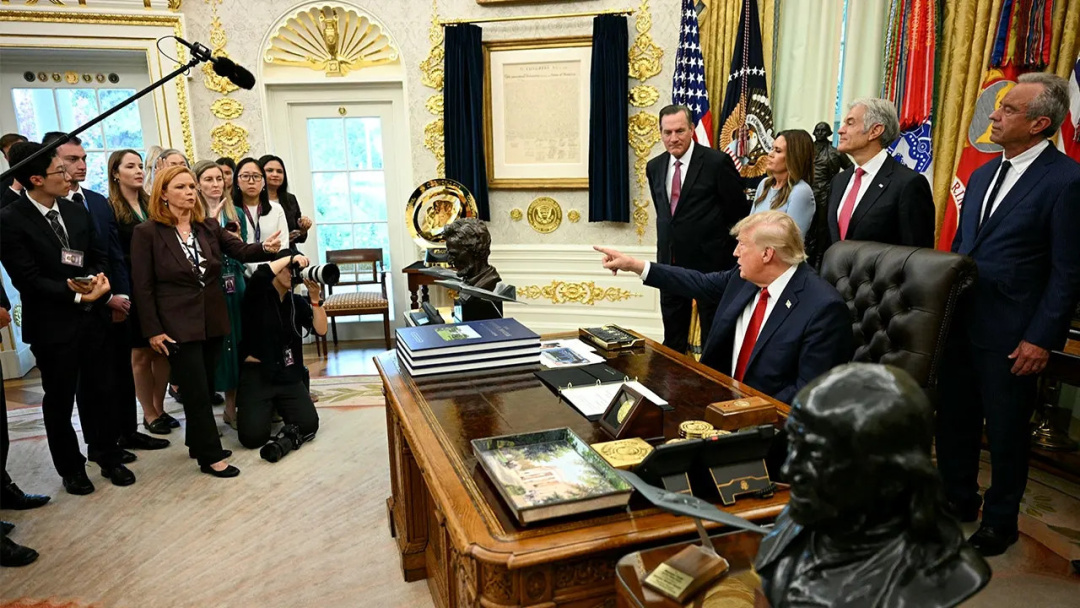
In a striking development, major US television networks have chosen to suspend their shared pool coverage of President Donald Trump after the White House imposed a ban on CNN, escalating the ongoing conflict between the administration and various media organizations. According to Bryan Boughton, Fox News's Washington bureau chief and acting chair of the television pool consortium, the networks will no longer cover presidential events that require shared access. This pool includes prominent networks such as ABC, CBS, CNN, Fox News, and NBC, which typically take turns providing live footage from events where access is limited. The broadcasters have also declined to establish an alternative pool for Trump's upcoming trip to New York for the United Nations General Assembly.
This decision comes in the wake of the White House barring CNN, MS NOW, and Politico from its grounds. Trump announced these restrictions, accusing the outlets of negative coverage and labeling their reporting as "fake news." The following day, Secret Service agents denied entry to reporters from these organizations and confiscated their hard-pass press credentials, an action that has raised serious concerns about press freedom.
Common Sense Shop
The United States of Common Sense
Amazon shopping links. Sponsor Complete!
In response to the White House's actions, CNN, MS NOW, and Politico filed a federal lawsuit against the Trump administration, seeking a temporary restraining order. They argue that the restrictions constitute unconstitutional viewpoint discrimination and violate First Amendment protections. In their joint statement, the organizations emphasized their commitment to defending press freedom, stating, "We are suing to protect our First Amendment rights and defend the principle that the government does not decide what the press reports or publishes."
Trump's Defense of Press Access Policies
Trump has defended his administration's stance, asserting that the White House is not attacking press freedom, which he claims to value. He took to social media to clarify his position, stating, "The White House is not instituting an assault on the Free Press, something which I cherish." Trump further justified the exclusion of certain outlets by arguing that if they choose to publish negative stories, he is under no obligation to allow them access to the White House, which he referred to as "the people's house."
The Common Sense Test
This ongoing standoff raises significant questions about the balance between government authority and press freedom, particularly in an era where media coverage can heavily influence public perception. The implications of this conflict extend beyond individual media outlets, touching on broader issues of transparency, accountability, and the role of the press in a democratic society. As the lawsuit unfolds, it will be crucial to monitor how the courts address these First Amendment concerns and what precedents may be set regarding government interaction with the media.
Ultimately, this situation underscores the critical need for a free and independent press, especially in an age where information is paramount. The actions taken by the Trump administration, while defended as necessary for maintaining order and accountability, raise alarms about the potential for government overreach and the chilling effects on journalistic integrity. The resolution of this case could have lasting implications for media access and the fundamental rights enshrined in the First Amendment, reminding us all that the health of our democracy relies on the ability of the press to operate without fear of censorship or retaliation.