Supreme Court to Hear Key Cases on Gun Rights, Elections, and Parental Rights
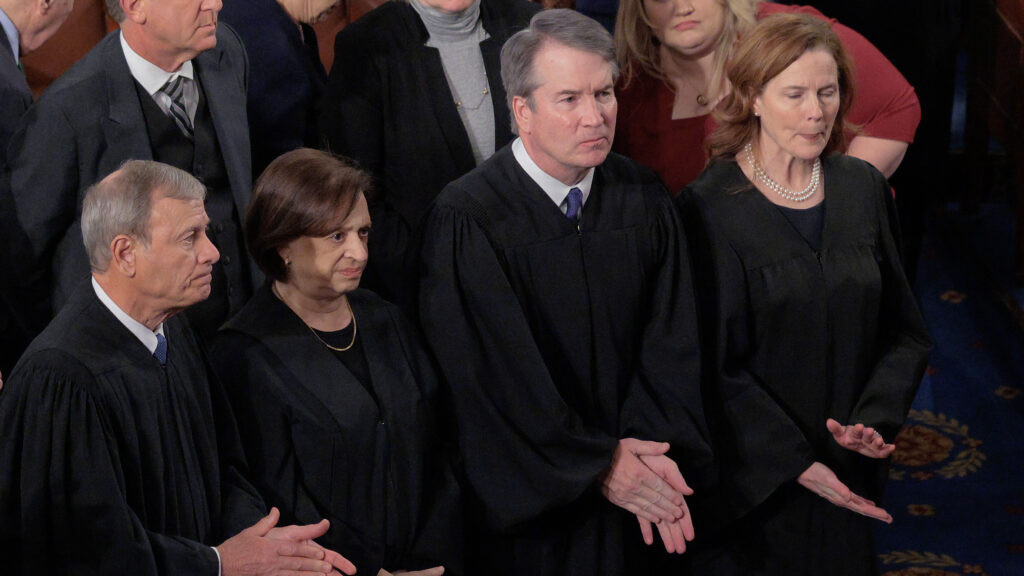
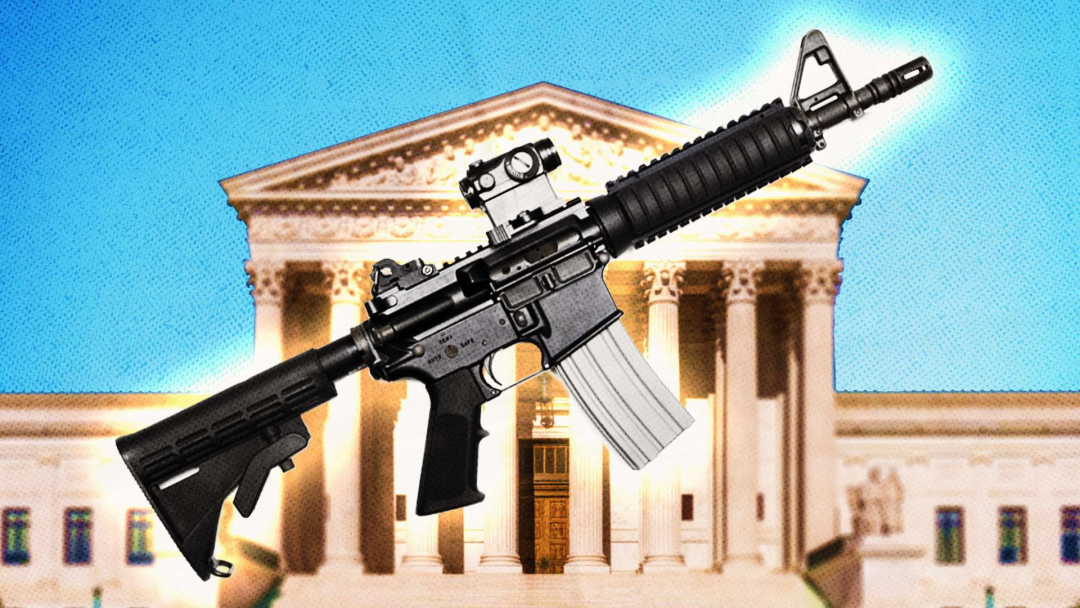
This fall, the Supreme Court will hear arguments in several pivotal cases that could shape the landscape of gun rights, election integrity, and parental rights. Among the most anticipated is a case concerning the Second Amendment, set for December 2, where justices will deliberate whether state and local governments have the authority to ban semiautomatic rifles, including the AR-15, in cases originating from Cook County, Illinois, and Connecticut.
In Viramontes v. Cook County, plaintiff Cutberto Viramontes challenged the county's ban on AR-15 rifles, which the 7th U.S. Circuit Court of Appeals upheld, citing existing Supreme Court precedents that allow for certain regulations on firearms. Meanwhile, in Grant v. Higgins, Connecticut's gun control laws, enacted after the tragic Sandy Hook school shooting, were also upheld by the 2nd U.S. Circuit Court of Appeals, which stated that these laws impose targeted restrictions on particularly dangerous weapons.
Common Sense Shop
The United States of Common Sense
Amazon shopping links. Sponsor Complete!
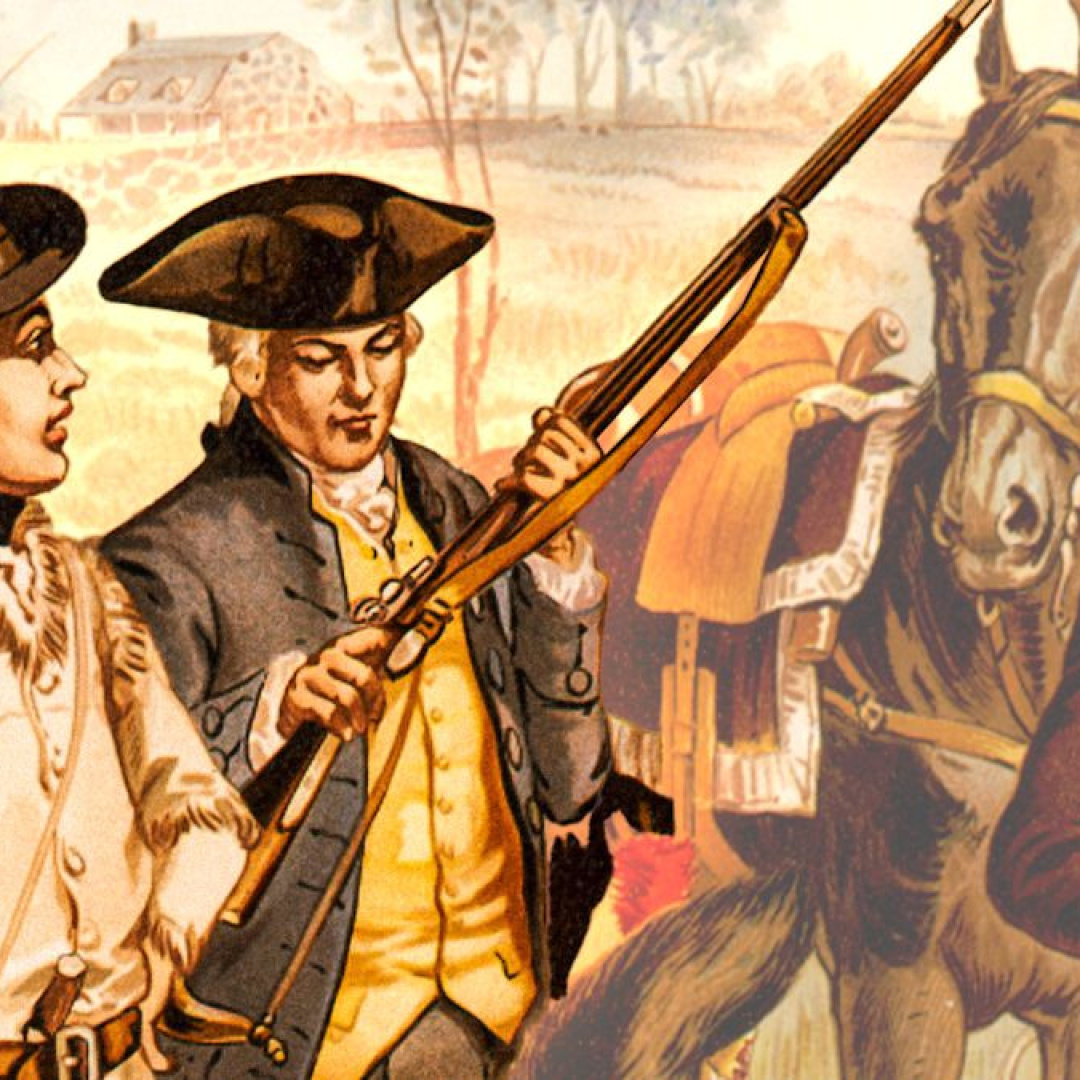
Gun control advocates argue that the Second Amendment does not guarantee an individual's right to bear arms but rather a collective right tied to a regulated militia. Matthew Cavedon from the Cato Institute points out that while the Founders may not have envisioned modern weaponry like bazookas, they did expect citizens to provide their own arms for militia duty, which is the essence of the Second Amendment's intent.
On December 8, the Court will also hear arguments in Republican National Committee v. Mi Familia Vota, which questions Arizona's requirement for proof of citizenship for voter registration. This case arises after lower courts ruled that parts of Arizona's 2022 voting law violated the National Voter Registration Act. Chad Ennis, from the Honest Elections Project, criticized the 9th U.S. Circuit Court of Appeals' ruling, calling it a radical takeover of state elections and asserting that states should maintain control over their electoral processes.
Religious Freedom and Parental Rights at Stake
Another case, St. Mary Catholic Parish v. Roy, scheduled for oral arguments on November 3, involves a preschool in Littleton, Colorado, that claims its exclusion from the state’s universal preschool program violates the First Amendment's protection against religious discrimination. The state argues that the program's requirements, which include admitting children from LGBTQ+ families, are neutral and apply equally to all preschools. Zack Smith from The Heritage Foundation highlights this as another instance of Colorado's troubling approach to religious liberty.
In addition, the Supreme Court will hear International Partners for Ethical Care Inc. v. Ferguson on December 7, concerning parents' rights in the context of minors seeking gender-affirming treatments. A Washington state law complicates parental notifications in such cases, raising significant legal questions about parental standing and the rights of parents to be informed about their children's health decisions.
The Common Sense Test
Finally, on October 5, the Court will address Suncor Energy (U.S.A.) Inc. v. Commissioners of Boulder County, where local governments are suing fossil fuel companies over climate change-related injuries. This case will explore whether federal law preempts state claims regarding greenhouse gas emissions, potentially limiting the scope of climate litigation against energy producers.
As these cases unfold, they will not only test the boundaries of constitutional rights but also challenge the extent of government authority in regulating personal liberties. The implications for American society could be profound, particularly as they relate to the rights of individuals versus the powers of the state.