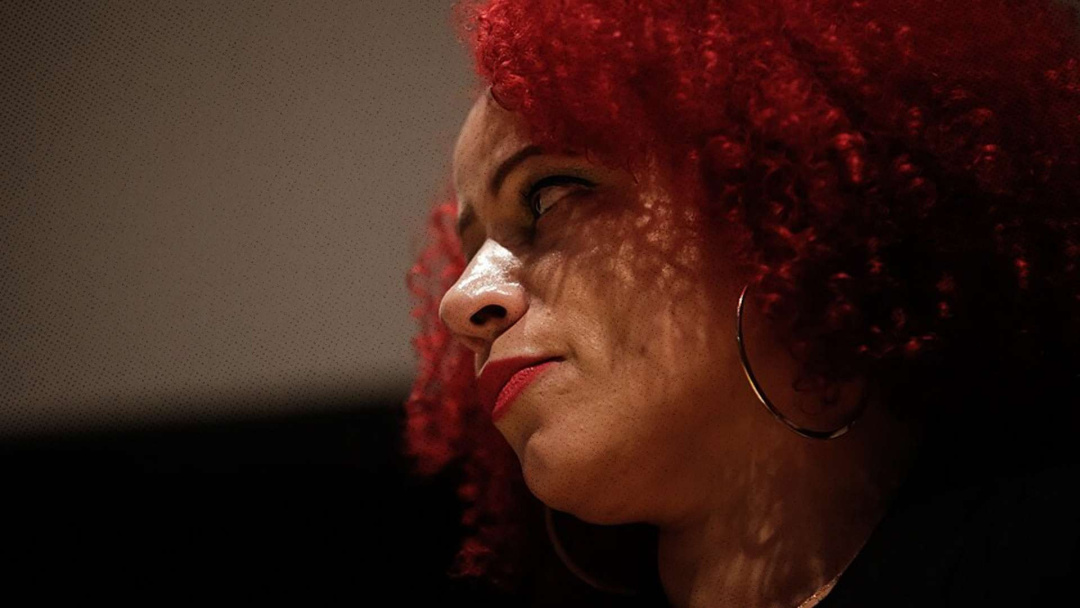
Nikole Hannah-Jones Regrets School Choice for Daughter, Reflects on Ideals

Nikole Hannah-Jones, the New York Times Magazine reporter and architect of the controversial 1619 Project, has recently come forward to express regret about her decision to enroll her daughter, Najya, in a predominantly Black, high-poverty public school in Brooklyn. This admission came after Najya, now 16, revealed that she felt she did not receive the education she wanted. Hannah-Jones had previously framed her choice as a means to combat school segregation, but her daughter's experience has led her to reconsider that narrative.
In her newly published essay in the New York Times Magazine, Hannah-Jones reflected on years of correspondence with her daughter's teachers and administrators, confronting the uncomfortable truth of her decision. "Now I felt overcome with regret. Najya deserved better," she wrote, acknowledging that she had not provided her daughter with the educational opportunities she needed to thrive. This moment of self-reflection highlights a critical aspect of parental responsibility in educational choices.
Common Sense Shop
The United States of Common Sense
Amazon shopping links. Sponsor Complete!
Hannah-Jones emphasized that the focus should also be on families who lack the resources to seek better educational options for their children. "I hope people concerned about the choice my husband and I made for our daughter will have equal or more outrage for the thousands of Black children whose parents don’t have the resources to send them to better schools," she stated. This call to action underscores the systemic issues many families face in the current educational landscape.
Corey DeAngelis, a research fellow at The Heritage Foundation and a staunch advocate for school choice, responded to Hannah-Jones' reflections, arguing that parents must prioritize their children's educational needs above ideological commitments. "Parents should put their children first. They should not sacrifice them to a failing government school system in the name of ideology," DeAngelis asserted. He welcomed Hannah-Jones to the school choice movement, suggesting that her experience could lead her to support policies that allow education funding to follow students to schools chosen by their families.
Hannah-Jones Reflects on Educational Challenges
As Hannah-Jones revisited her daughter's educational journey, she recognized the limitations and challenges faced by Najya in her schooling. Despite earning good grades and taking honors courses, Najya and her peers felt they were not adequately challenged. The principal of her middle school acknowledged that attempts to accommodate students entering the school academically behind sometimes resulted in lowered expectations, which could inadvertently perpetuate the very issues they sought to combat.
The Common Sense Test
Hannah-Jones’ admission marks a significant shift from her earlier stance, where she believed that middle-class families could contribute positively to segregated schools by enrolling their children. In her 2016 essay, she expressed confidence in her decision, stating, "I knew I made the just one." However, her recent reflections reveal a more nuanced understanding of the complexities surrounding educational equity and the real impact of parental choices on children's futures.
In light of Hannah-Jones' experience, the conversation around school choice becomes increasingly relevant. Parents like Hannah-Jones, who have the means to seek better educational opportunities, must advocate for policies that enable all families to have similar choices. As the debate over school choice continues to unfold, it is essential to recognize that educational equity is not merely an ideological battle but a matter of ensuring that every child has access to a quality education. The implications of Hannah-Jones' reflections could resonate widely, prompting a reevaluation of how educational policies are shaped and implemented across the nation.