Trump's Tariff Strategy Weakens America Amidst China Tensions
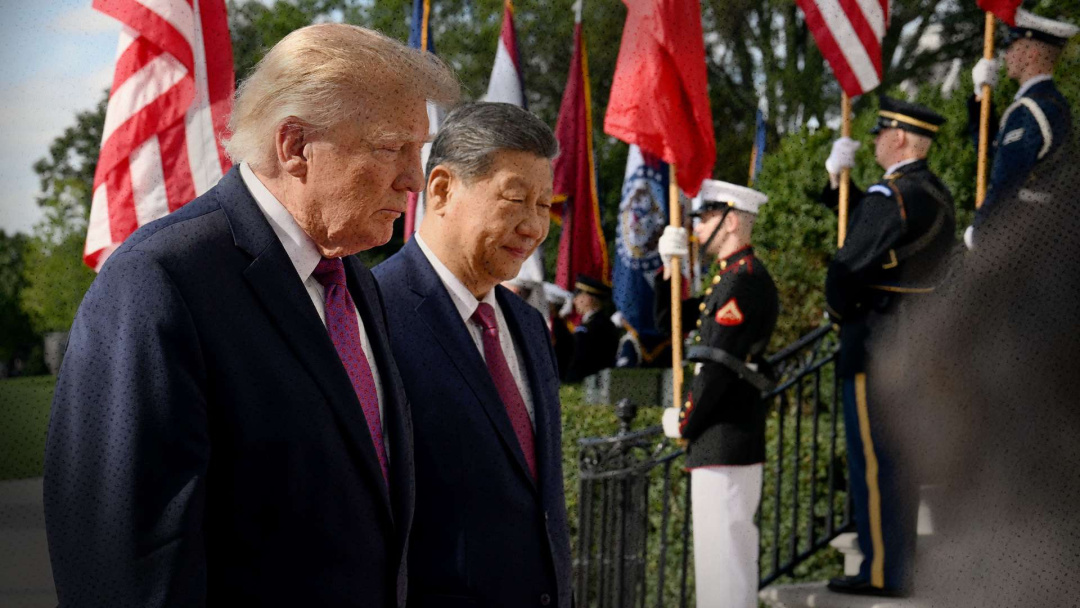
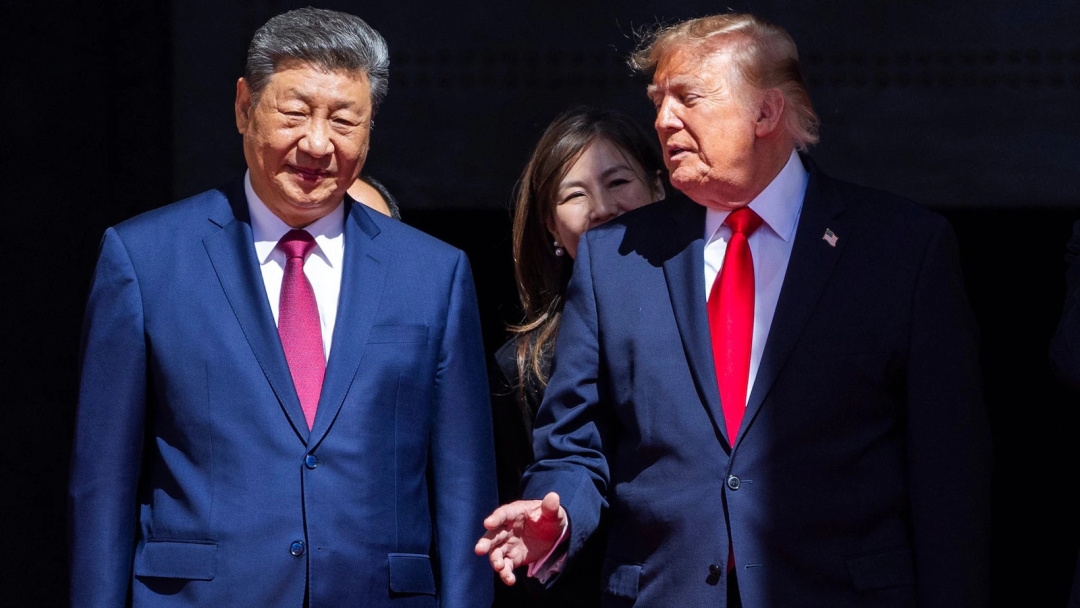
Chinese President Xi Jinping's recent visit to the U.S. included a personal welcome from President Donald Trump at Joint Base Andrews, signaling the importance of U.S.-China relations. However, the ongoing trade war, which began with Trump's Section 301 tariffs in 2018, has morphed into a complex web of tariffs that now affect a wide range of products and countries. Initially, Trump's tariffs targeted Chinese goods, but by 2025, the average U.S. tariff on imports had skyrocketed from 3 percent to over 18 percent, complicating the administration's goals of protecting American economic interests and national security.
The rationale behind these tariffs has shifted significantly. The U.S. Trade Representative describes the new strategy as a means to defend American economic and national security while promoting balanced trade. Yet, this approach creates confusion, as tariffs are now applied broadly, making it difficult to leverage them effectively in negotiations. The administration's promises of financial dividends for Americans funded by tariff revenue have also raised eyebrows, as they appear to be more about political optics than sound economic policy.
Common Sense Shop
The United States of Common Sense
Amazon shopping links. Sponsor Complete!
Despite generating $264 billion in tariff revenue last year, these funds have largely come at the expense of American consumers, who bear the brunt of increased prices. Moreover, many of these revenues stem from tariffs deemed unconstitutional, leading to refunds for American companies. This raises questions about the long-term viability of such a strategy.
The narrative of China as a national security threat is real, with Beijing's actions posing legitimate concerns. However, the administration's broad-brush approach to tariffs may actually hinder the U.S. ability to address these threats effectively. For instance, a small American importer found that Trump's tariffs on goods from countries like Thailand and Vietnam effectively nullified their efforts to diversify away from Chinese suppliers, forcing them back to China.
Economic Implications of Protectionist Policies
As noted by scholar Samuel Gregg, military power is intrinsically linked to economic power. The U.S. has historically outpaced adversaries like the Soviet Union due to its robust economy. Yet, protectionist policies that raise costs for American producers and slow economic growth could erode this advantage, ultimately compromising national security.
Additionally, Trump's protectionist stance has strained relationships with traditional allies. His recent criticisms of Canada, a key trading partner and NATO ally, have pushed some nations closer to China, undermining America's diplomatic standing. This trend echoes historical precedents, such as the Morrill Tariff of 1861, which alienated Britain during the Civil War.
The Common Sense Test
Finally, the expansion of what constitutes a "national security" threat to include nearly every domestic industry risks diluting the term's significance. A government that labels all economic challenges as security issues may struggle to rally support when genuine threats arise.
As the Xi-Trump meeting approaches, the hope is that it will clarify the U.S. strategy moving forward. However, the current trajectory raises significant concerns about America's economic health and diplomatic relationships. The administration's reliance on tariffs as a panacea for complex international challenges may ultimately weaken the nation rather than strengthen it. The question remains: can the U.S. recalibrate its approach to ensure both economic prosperity and national security without resorting to broad protectionism?