Media Outlets Challenge White House Ban on Press Credentials
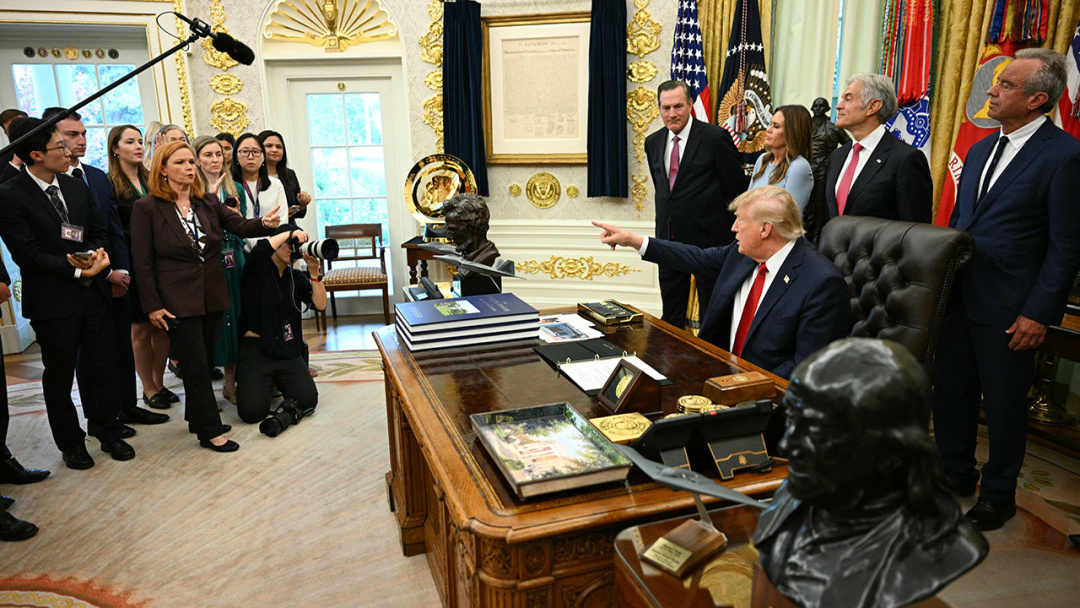
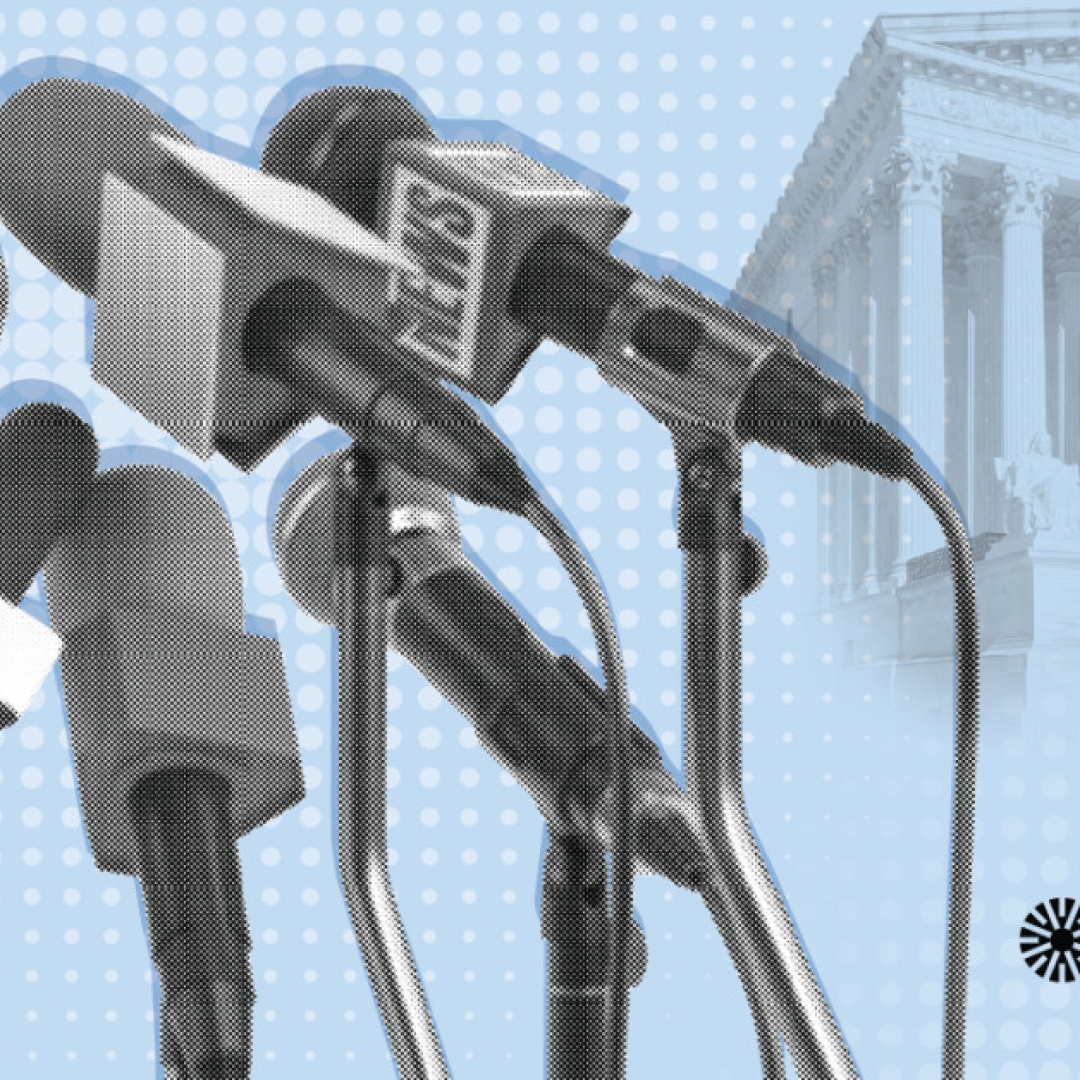
Politico, MS NOW, and CNN have initiated a lawsuit against the White House after President Donald Trump announced a ban on these media outlets. In a statement, the organizations declared, "This morning, we notified the government that we are filing a lawsuit today to protect our First Amendment rights and defend the principle that the government does not decide what the press reports or publishes." They contend that the White House's abrupt revocation of their journalists' credentials, executed without notice or due process, poses a significant threat to press freedom and the public's right to independent journalism free from government interference.
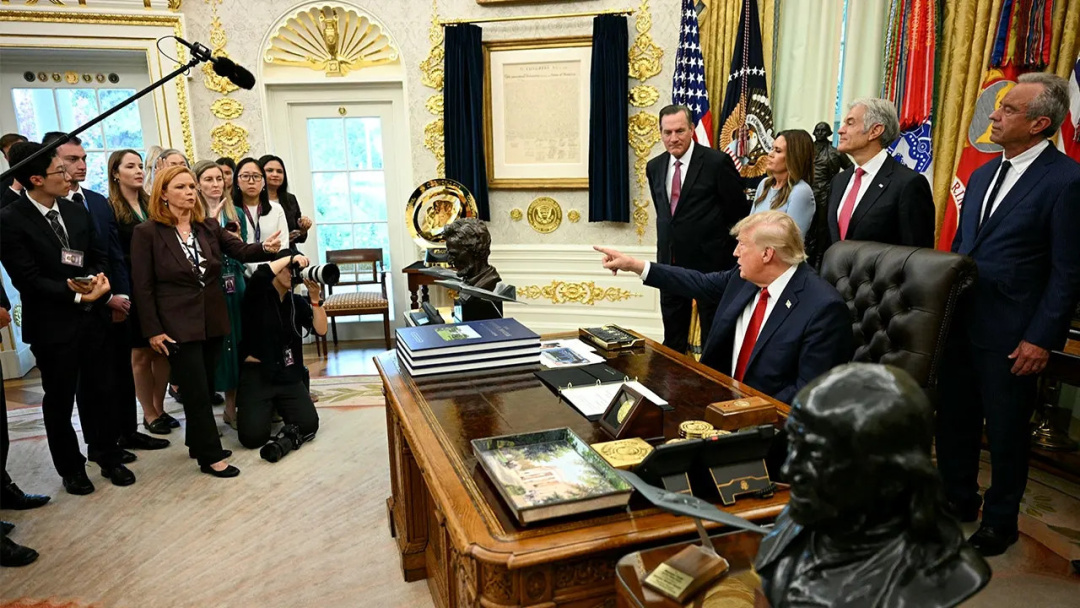
In response to the lawsuit, Trump took to social media, asserting, "The White House is not instituting an assault on the Free Press, something which I cherish. It is instituting an assault on the FAKE NEWS, something that has grown like Cancer in our beloved United States of America." He characterized the media as corrupt and coordinated, labeling it a threat to national security that must be addressed immediately. When pressed by reporters about the ban, Trump expressed his frustration with what he described as negative reporting from these outlets, claiming they aim to undermine Republicans and his administration.
Common Sense Shop
The United States of Common Sense
Amazon shopping links. Sponsor Complete!
The lawsuit names Trump, Chief of Staff Susie Wiles, White House Communications Director Steven Cheung, and Secret Service Director Sean Curran as defendants. The media organizations argue that the ban not only hampers their ability to cover the White House effectively but also instills fear among other news outlets regarding their access. Trump had previously warned that other media outlets should expect similar treatment, further escalating concerns about government overreach in press matters.
Legal Precedents on Press Access Rights
District Court Judge Trevor McFadden previously ruled that the White House could not bar Associated Press reporters and photographers from accessing key areas such as the Oval Office and Air Force One. In light of the current ban, CNN, which is part of a pool of five television networks responsible for covering the president's activities, announced that the other networks would not fill in for CNN during designated pool coverage. This decision means that significant presidential events, such as his upcoming trip to the United Nations General Assembly, will not be televised.
The Common Sense Test
Vice President JD Vance defended Trump's actions, clarifying that the president is not banning media outlets outright but is instead denying special access to those he perceives as propagandists. Vance stated, "He’s not banning media outlets. What he’s doing is saying we’re not going to give you special access to the White House if you engage in what is effectively propaganda." This ongoing conflict raises critical questions about the balance between press freedom and the administration's right to manage its communications strategy.
The implications of this lawsuit extend beyond the immediate parties involved. It highlights a broader struggle over the First Amendment rights of the press and the potential consequences of government actions that may infringe upon those rights. As this case unfolds, it will serve as a litmus test for the resilience of press freedoms in the face of executive power.