Negotiations Between U.S. and Iran Focus on Reopening the Strait of Hormuz

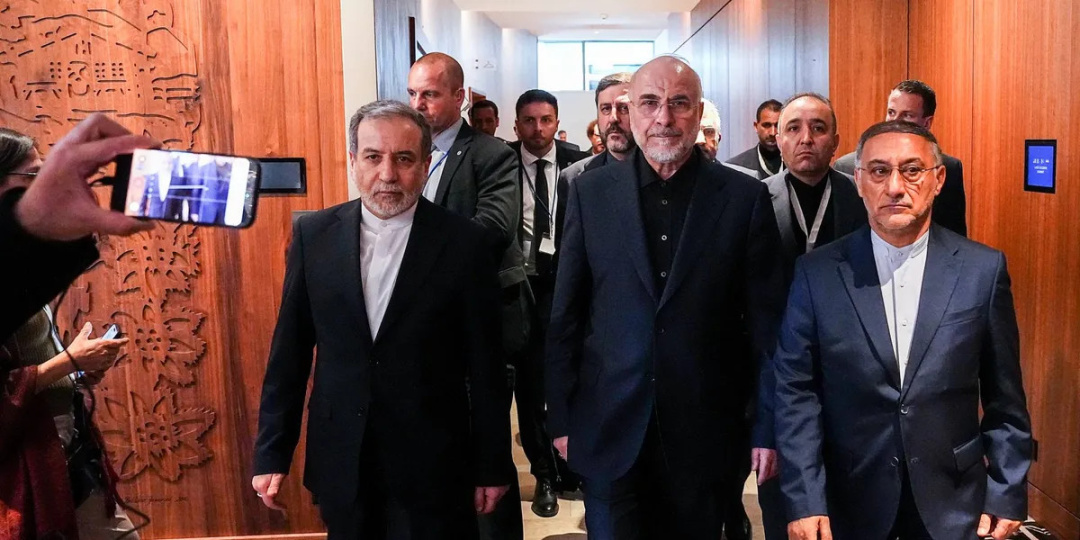
U.S. and Iranian negotiators are engaged in discussions in New York aimed at establishing a phased path to resolve the ongoing conflict between the two nations. Central to these negotiations is the Strait of Hormuz, a critical maritime passage for global oil supplies, which Iran seeks to reopen in exchange for relief from the economic sanctions imposed by the United States. Sources close to the talks indicate that both parties recognize the high stakes involved, with Iran desperate for economic relief while the U.S. aims to ensure the free passage of ships through the strait.
The negotiations are complicated by the fact that neither side is willing to relinquish their bargaining power. Iranian officials acknowledge the severe economic toll that continued confrontation has taken on their country. One senior Iranian official suggested that a phased approach might be the most viable solution, proposing that Iran could allow navigation through the Strait of Hormuz in return for the U.S. lifting its economic blockade and possibly granting access to frozen Iranian assets.
Common Sense Shop
The United States of Common Sense
Amazon shopping links. Sponsor Complete!
However, achieving such a deal would require U.S. President Donald Trump to agree to a temporary arrangement, which could be challenging given the previous collapse of an understanding in July. The negotiators face the daunting task of crafting a deal that both sides can trust and that will hold up over time. Trump has expressed optimism that a deal could be reached after the midterm elections, but the timeline remains uncertain.
A White House official noted that while Iran is eager for a deal, the U.S. holds significant leverage and will act in its own best interests. The official emphasized that the U.S. is in a strong position, with control over the Strait of Hormuz and an Iranian economy that is under severe strain due to sanctions. The sanctions have been described as some of the most effective in history, crippling Iran's economy and leaving it in a precarious state.
Assessing the Odds of a Deal
Former U.S. negotiator Dennis Ross assessed the likelihood of an agreement before the elections at around 30%. He pointed out that both sides might have stronger incentives to reach a deal before the midterms, as the blockade continues to exert pressure on Iran. A successful negotiation could also benefit Trump politically by alleviating tensions in the Gulf and potentially lowering U.S. gasoline prices, which are sensitive issues for voters.
The Common Sense Test
Despite the urgency, the path to a resolution is fraught with challenges. Both Washington and Tehran are acutely aware of the leverage they hold. The U.S. controls the economic pressure that is severely impacting Iran, while Iran maintains control over a vital energy chokepoint. This dynamic complicates the negotiations, as neither side wants to make concessions without receiving something substantial in return.
As the midterm elections approach, the stakes for both nations are high. The potential for a diplomatic breakthrough exists, but so does the risk of escalation if negotiations falter. Tehran, while seeking a diplomatic solution, is also preparing for the possibility of renewed conflict, indicating that the situation remains volatile. The outcome of these talks could significantly influence not only U.S.-Iran relations but also the broader geopolitical landscape in the region.