Germany's Merz Faces Political Fallout After State Election Losses
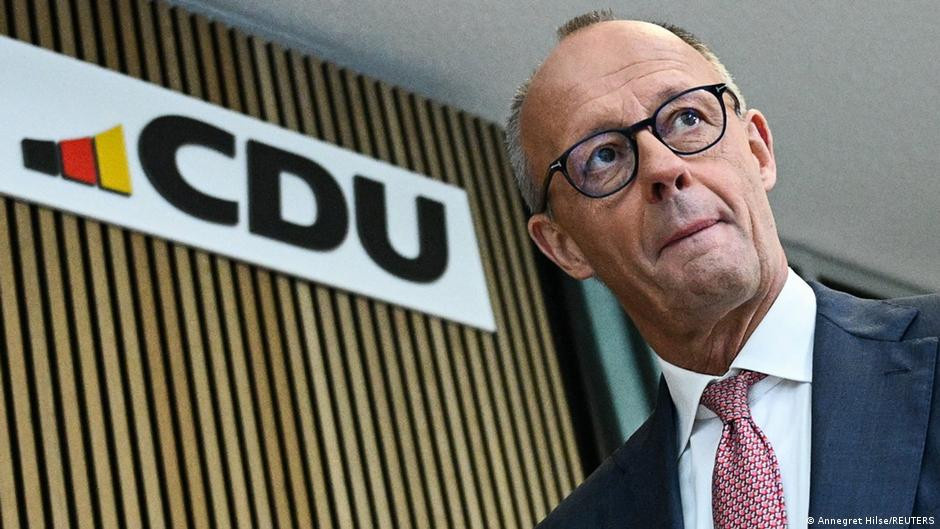
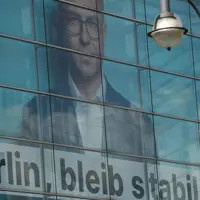
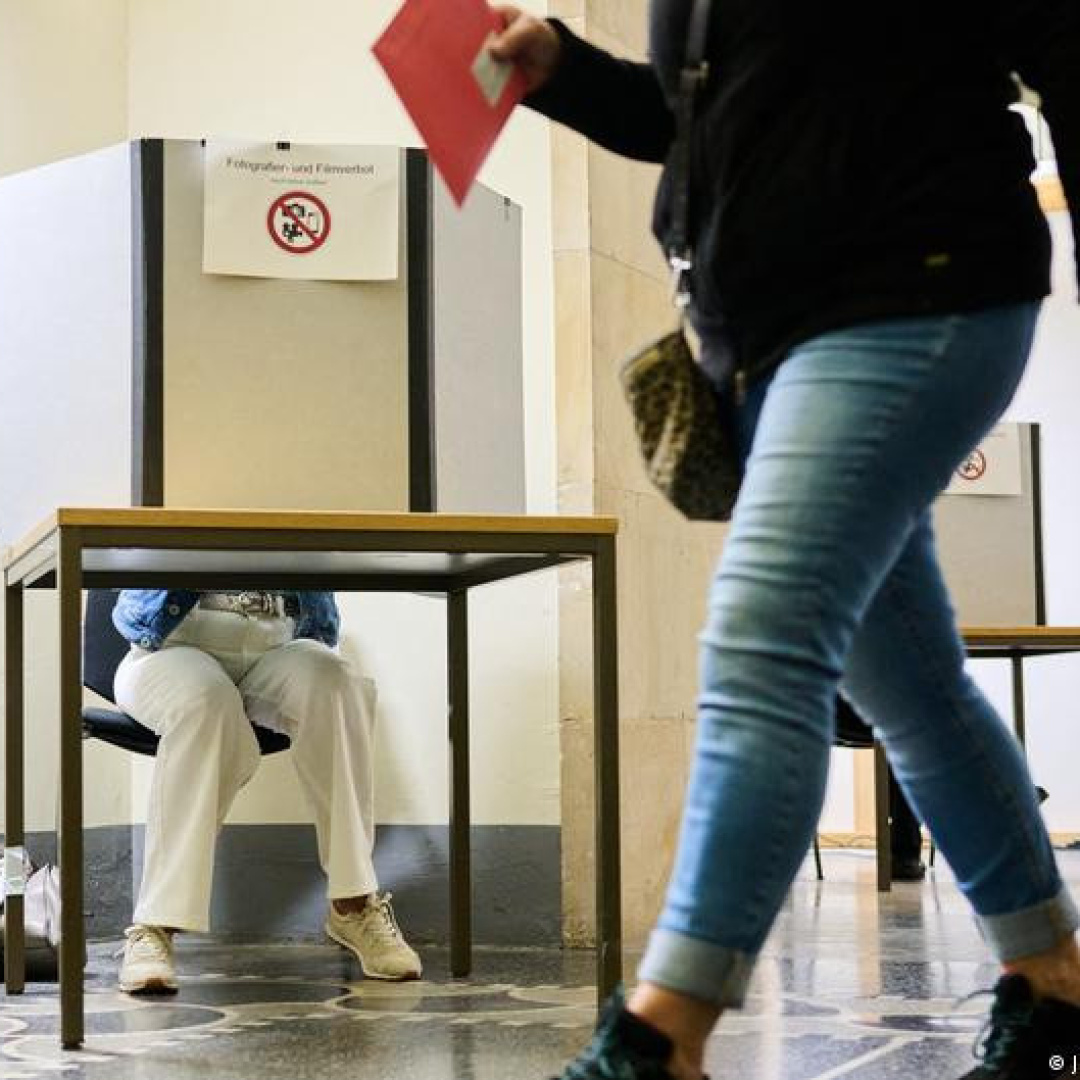
The recent state elections held in Germany on September 20 have spotlighted the challenges facing Chancellor Friedrich Merz and the Christian Democrats (CDU). In a historic first, the CDU failed to secure the necessary 5% of votes to enter the parliament in Mecklenburg-Western Pomerania, a significant setback for a party that has long been a dominant force in German politics. In Berlin, where the CDU was the incumbent party, it also faced heavy losses, likely relegating it to opposition status.
Chancellor Merz acknowledged the gravity of the election results, stating, "This election is a profound turning point. It is a dramatic and unprecedented result for the CDU in Germany that we could not clear the 5% threshold. For an entire bloc to leave the state parliament is a heavy blow, and that will resonate with us for a long time to come." He attributed the defeats to a combination of factors, including a federal policy that failed to resonate with voters.
Common Sense Shop
The United States of Common Sense
Amazon shopping links. Sponsor Complete!
Merz pointed out a troubling trend in the political landscape, noting that over 40% of the votes in the elections went to parties that he described as destructive, questioning the parliamentary system and offering radical solutions. While he did not explicitly name the parties, it was clear he was referring to the far-right AfD and the Left Party.
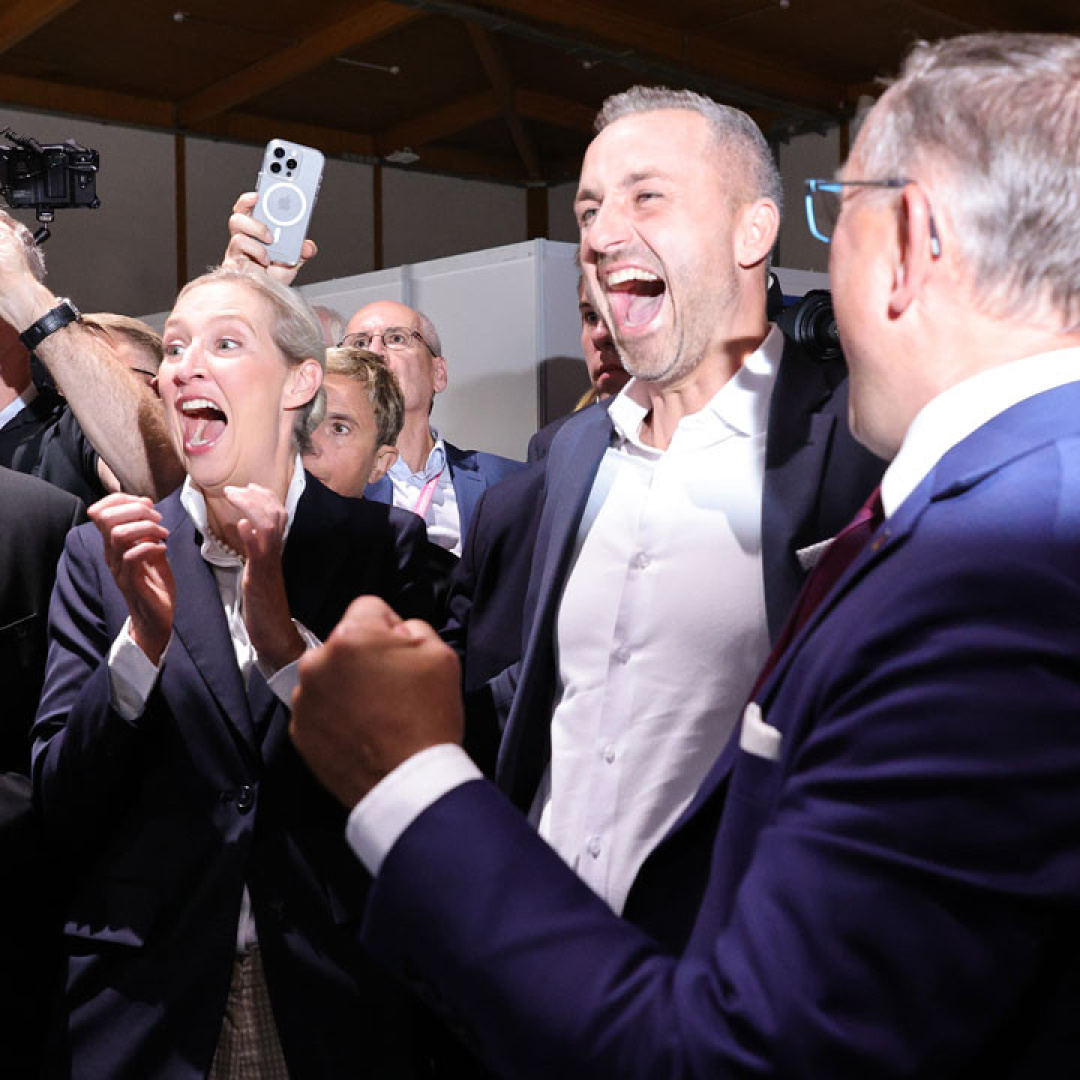
The AfD, classified as a right-wing extremist party by Germany's domestic intelligence agency in several states, made significant gains, increasing its share of the vote from 9% to 16% in Berlin and more than doubling its result to 38% in Mecklenburg-Western Pomerania. AfD co-leader Tino Chrupalla declared, "The blue wave cannot be stopped," indicating the party's growing influence.
AfD's Rising Influence and Political Reactions
Alice Weidel, the AfD's other co-leader, claimed that the CDU had been "pulverized" and suggested that Merz's resignation was overdue, asserting that the AfD had effectively replaced the CDU as the party of the masses. Political scientist Wolfgang Muno from the University of Rostock countered this narrative, stating that the AfD does not represent a broad conservative coalition but rather a collection of right-wing extremist factions.
In contrast, Muno characterized the Left Party as having evolved into a more pragmatic, democratically oriented group, which challenges the CDU's dismissal of them as extremists. The Left Party, under lead candidate Elif Eralp, achieved a remarkable 26% of the vote in Berlin, marking its first electoral victory in the city-state. Despite a controversial campaign event involving antisemitic remarks, the party's leadership has vowed to address such issues internally.
The Common Sense Test
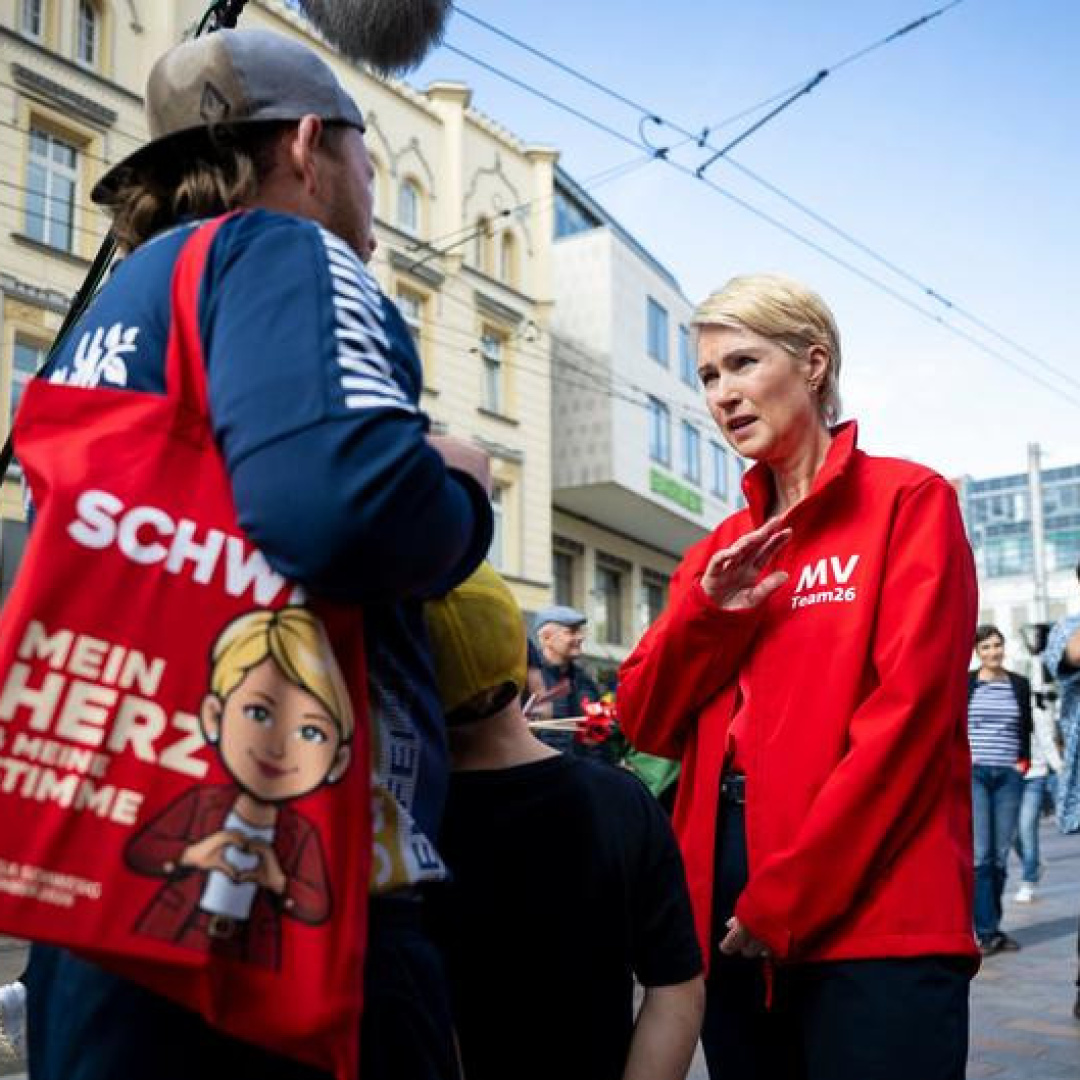
In Mecklenburg-Western Pomerania, Social Democrats' lead candidate Manuela Schwesig secured approximately 36% of the vote, positioning her party just behind the AfD. She criticized Merz's plans for deep cuts to the welfare system, particularly concerning pension reforms, arguing that he misjudges public sentiment. Schwesig emphasized the need for her party to engage with both the Greens and the Left to fulfill their electoral mandate.
The results of these elections pose a significant dilemma for the SPD, which is part of the federal government coalition with the CDU. SPD co-leader Bärbel Bas has indicated the need to draw "correct conclusions" from the election results while affirming the party's commitment to maintaining the coalition. This complex political landscape suggests that the CDU must reassess its strategies to regain voter confidence and address the shifting dynamics in German politics.