Senate Votes to Continue Military Operations in Iran Under Trump Strategy

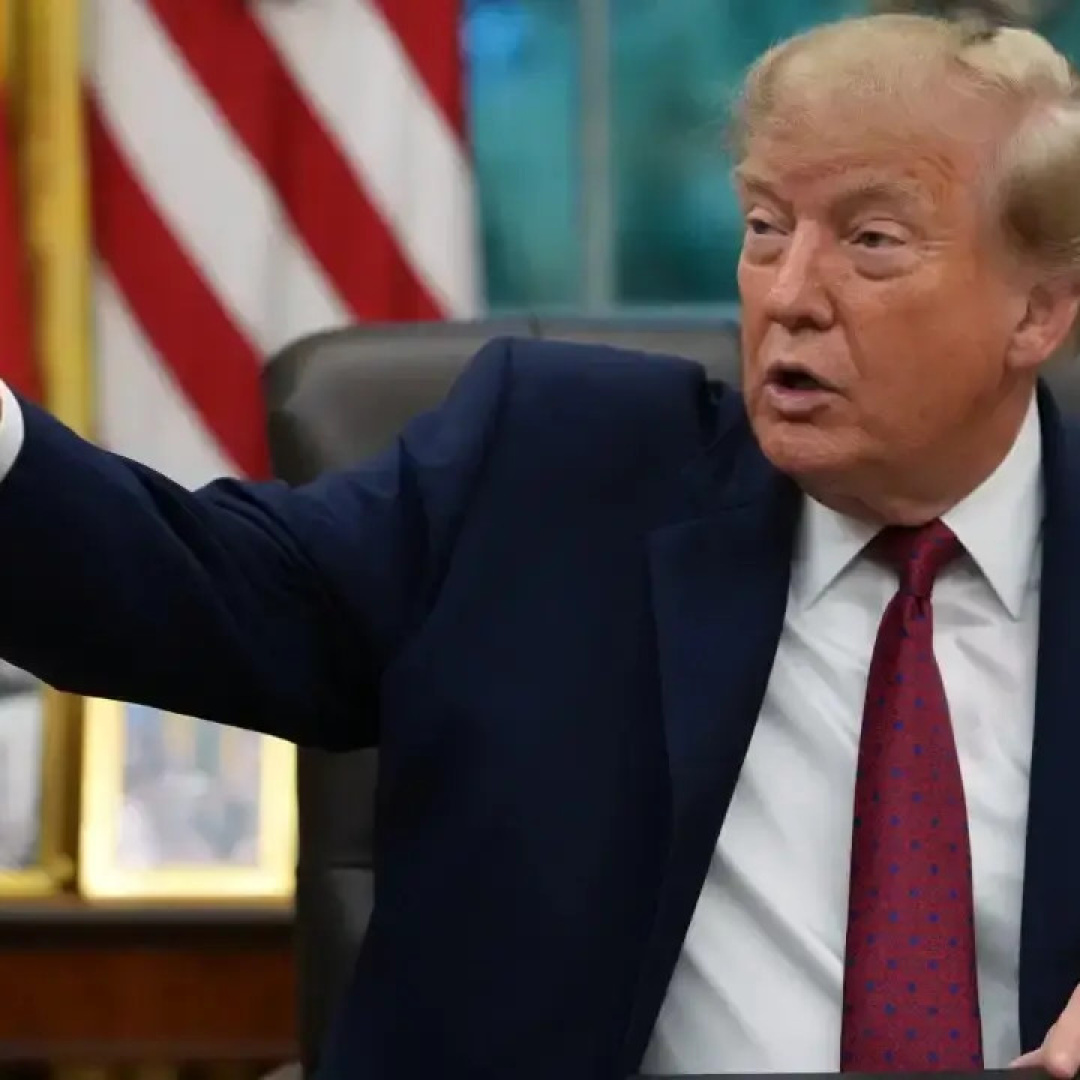
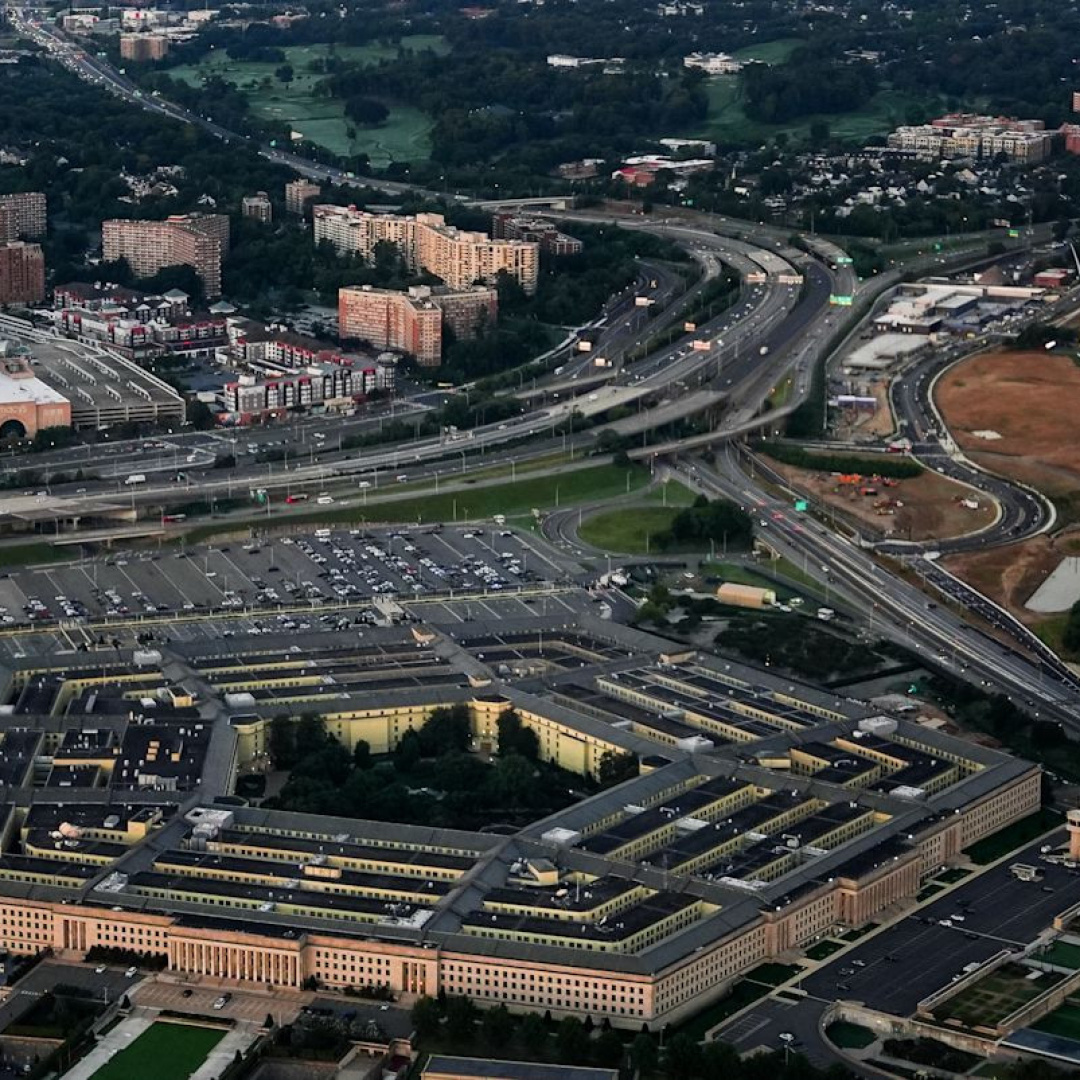
The U.S. Senate has voted to continue military operations in Iran, aligning with President Trump’s strategy of military and economic pressure against the nation. This decision underscores the Senate's preference for maintaining military involvement over seeking diplomatic resolutions. The conflict, which commenced in February 2026, has involved a series of military strikes, sanctions, and diplomatic efforts that have yet to yield a comprehensive peace agreement. The Senate's votes have alternated between supporting and opposing war powers resolutions, revealing a persistent division on the issue.
This vote is significant as it perpetuates the current military strategy, which many argue undermines the potential for diplomatic engagement. Critics of the military approach contend that continued strikes and sanctions may escalate tensions rather than resolve them. The ongoing military operations could further entrench hostilities, making future negotiations more complex.
Common Sense Shop
The United States of Common Sense
Amazon shopping links. Sponsor Complete!
In the backdrop of this military strategy, key figures such as President Trump and Iranian Foreign Minister Javad Zarif are pivotal. Their negotiations and public statements will likely influence the trajectory of U.S.-Iran relations. Any shifts in the Senate's position or new military actions could have substantial implications for the likelihood of a U.S.-Iran deal, particularly concerning reconstruction funding and economic sanctions.
The Common Sense Test
The geopolitical landscape remains tense, with Iran's response to U.S. military actions being crucial. Observers are urged to monitor how Iran reacts to the continuation of military operations and the impact of ongoing economic sanctions. These factors will play a significant role in shaping the future of U.S.-Iran relations and the broader Middle Eastern geopolitical environment.
As the situation develops, the Senate's decision to maintain military operations reflects a commitment to a strategy that prioritizes military engagement. The implications of this stance will be felt not only in Iran but across the region, as other nations observe the U.S. approach to military and diplomatic relations. The question remains whether this strategy will ultimately lead to a resolution or further entrench the conflict.