Germany's Parliament Approves Fuel Tax Cut Amid Rising Prices
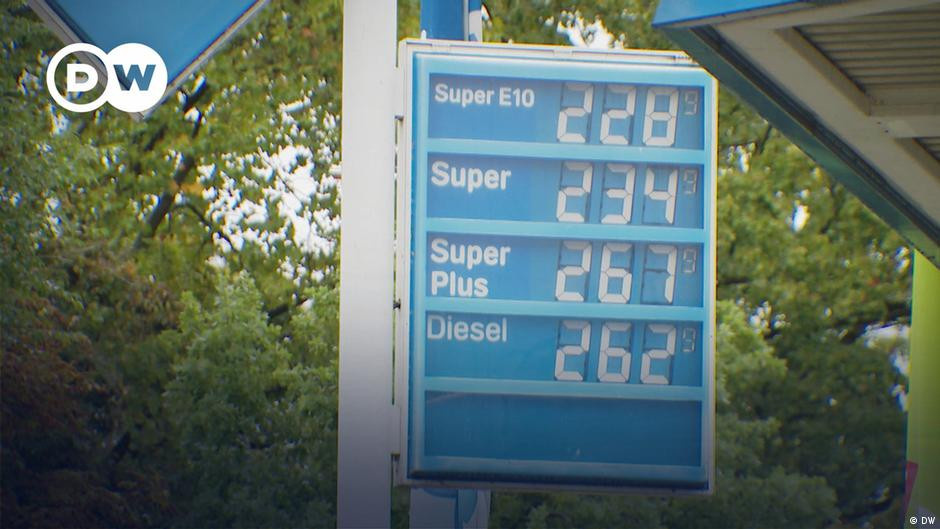
In a significant move to alleviate the financial burden on consumers, the German parliament has voted to temporarily cut taxes on gas and diesel by approximately €0.17 per liter, starting October 1 and continuing until the end of the year. This decision comes in response to soaring fuel prices, which have reached record highs amid ongoing global oil market volatility, exacerbated by geopolitical tensions such as the Iran war.
The average price for gas in Germany recently hit €2.308 per liter, while diesel prices soared to €2.471 per liter. The cut is expected to provide some relief to drivers, although gas stations are not mandated to pass on the full savings to consumers. A similar tax reduction earlier this year had a notable impact on fuel prices, suggesting this latest measure could similarly influence market rates.
Common Sense Shop
The United States of Common Sense
Amazon shopping links. Sponsor Complete!
The German government anticipates that this tax cut will cost both federal and state governments around €2.5 billion in lost tax revenue. This marks the second time this year that Germany has enacted a temporary fuel tax reduction, reflecting the government's ongoing efforts to manage the economic fallout from rising energy costs.
Critics of the tax cut argue that while it may provide short-term relief, it does not address the underlying issues of energy dependency and long-term sustainability. They contend that without significant investment in alternative energy sources and infrastructure, Germany's energy strategy remains vulnerable to external shocks.
Evaluating Long-Term Energy Strategies
As the government moves forward with this initiative, it is crucial to consider the broader implications for fiscal policy and energy independence. The effectiveness of such measures will ultimately depend on their ability to not only ease immediate financial pressures but also contribute to a more resilient energy framework for the future.
The Common Sense Test
The decision to cut fuel taxes is not merely a financial maneuver; it reflects a deeper concern for the economic well-being of German citizens. With inflationary pressures mounting and energy prices showing no signs of stabilizing, the government faces mounting pressure to act decisively. The fuel tax cut is a step in the right direction, yet it raises questions about the sustainability of such fiscal strategies in the long run.
As Germany navigates these turbulent economic waters, the need for a comprehensive energy policy that prioritizes both affordability and sustainability becomes increasingly clear. The balance between immediate relief and long-term planning will be critical in shaping the future of Germany's energy landscape and its economic health.