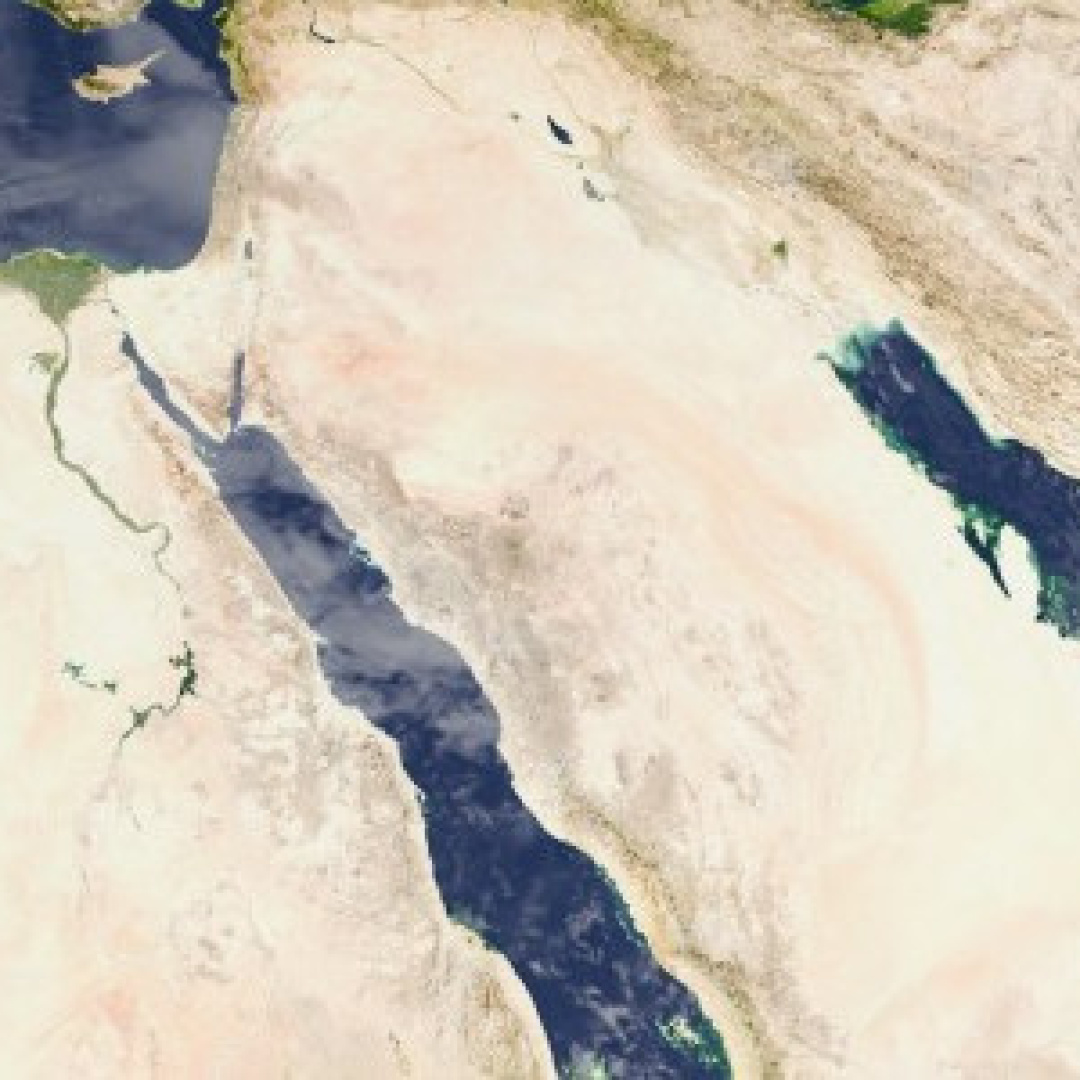
Surging Gas Prices in Europe Amid Ongoing Hormuz Tensions
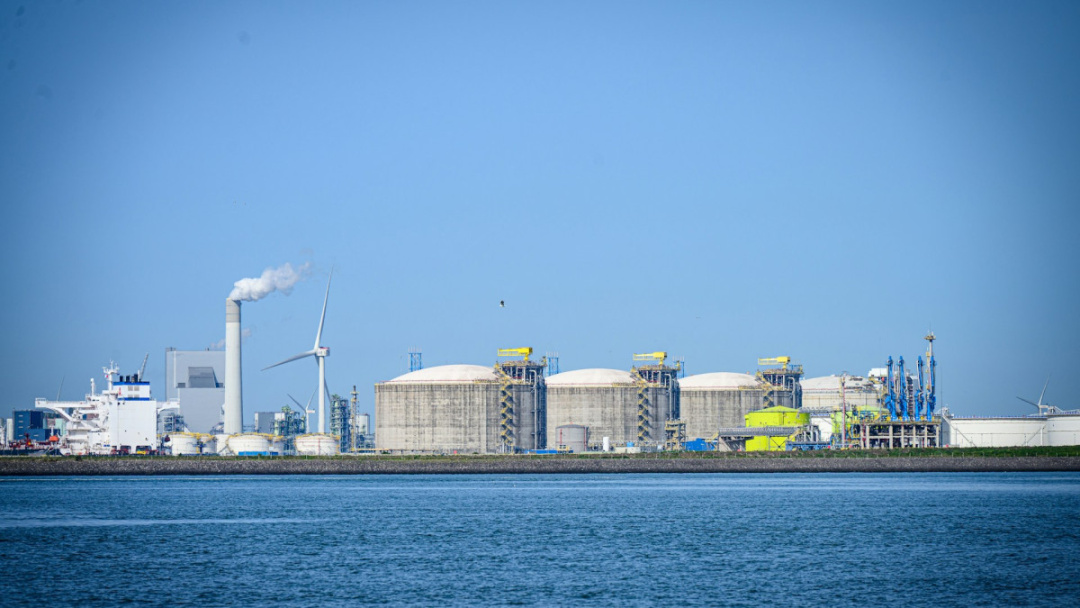
Europe's benchmark natural gas prices surged by 4% at the opening of trading in Amsterdam on Thursday, reflecting ongoing geopolitical tensions between the United States and Iran that are hindering liquefied natural gas (LNG) shipments through the critical Strait of Hormuz. As of mid-morning, the front-month price at the Dutch Title Transfer Facility (TTF), which serves as the benchmark for gas trading in Europe, was up by 3%, reaching $84.30 (74 euros) per megawatt-hour (MWh). This increase follows a peak earlier in the month when prices hit $93 (82 euros) per MWh, the highest level since January 2023, a time when Europe was grappling with a significant reduction in Russian gas supplies.
Despite a slight pullback in prices over recent days, the persistent standoff in the Strait of Hormuz continues to elevate concerns regarding LNG supply, particularly as Europe strives to bolster its gas storage ahead of the winter months. The ongoing conflict has disrupted LNG flows from the Middle East, leading to heightened competition for available supplies, which are critical for meeting demand in both Europe and Asia.
Common Sense Shop
The United States of Common Sense
Amazon shopping links. Sponsor Complete!
Indirect talks between the U.S. and Iran resumed recently on the sidelines of the UN General Assembly in New York, but no significant progress has been made. While some cargoes from Qatar and the UAE have managed to navigate the Strait of Hormuz, their volume remains insufficient to significantly impact the global LNG market. The reduced LNG supply has contributed to soaring gas prices, reminiscent of the energy crisis experienced in 2022-2023.
Fitch Ratings has adjusted its TTF gas price assumptions upward for this year and the next, attributing this change to the ongoing conflict in Iran. According to Fitch, disruptions to LNG flows through the Strait of Hormuz, which previously accounted for 20% of global LNG supply, have created a precarious situation for European energy markets. Currently, EU gas storage levels are only two-thirds full, which, while sufficient to avert immediate supply disruptions this winter, falls short of the 80%-90% levels typically seen at this time of year in 2022-2025.
The Implications of Energy Supply Disruptions
As Europe faces the prospect of a challenging winter, the implications of these energy supply disruptions are significant. The reliance on LNG imports from regions fraught with geopolitical tensions underscores the need for a more robust energy strategy that prioritizes energy independence and diversification of supply sources. The current situation serves as a stark reminder of the vulnerabilities inherent in relying on foreign energy supplies, particularly from regions where political stability is uncertain. The ability of European nations to navigate these challenges will be crucial in maintaining energy security and economic stability in the months ahead.
The Common Sense Test
Ultimately, the rising gas prices in Europe highlight the intersection of energy policy and international relations. As the situation in the Strait of Hormuz continues to evolve, it is imperative for policymakers to consider the long-term implications of their energy strategies. A failure to address these vulnerabilities could result in not only higher energy costs but also broader economic repercussions. The need for a pragmatic approach that balances energy needs with geopolitical realities has never been more pressing, as Europe prepares for what could be a difficult winter ahead.