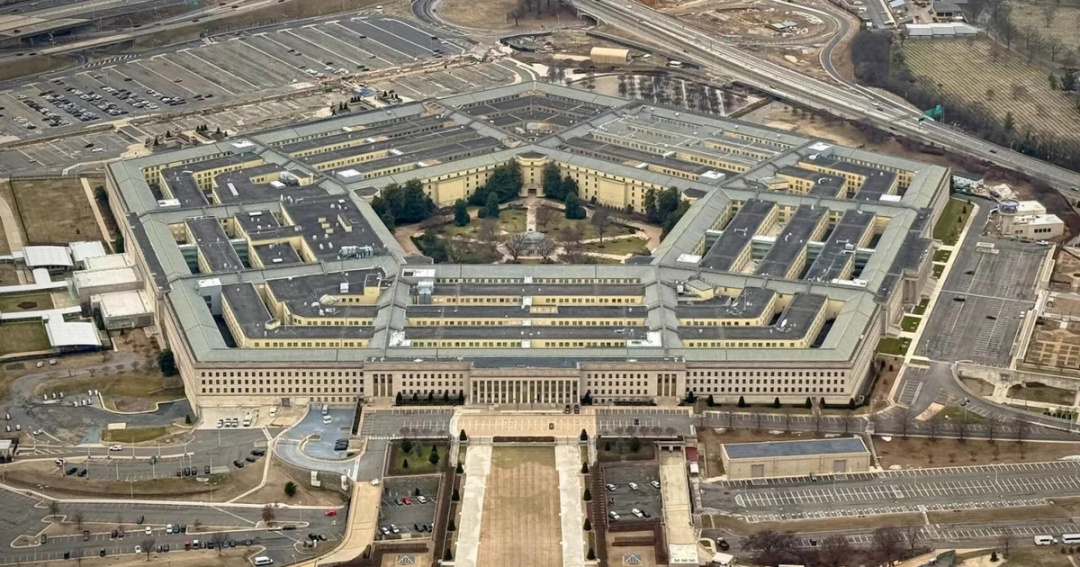
Pentagon Fails to Report Deaths of Two U.S. Service Members in Iran Conflict
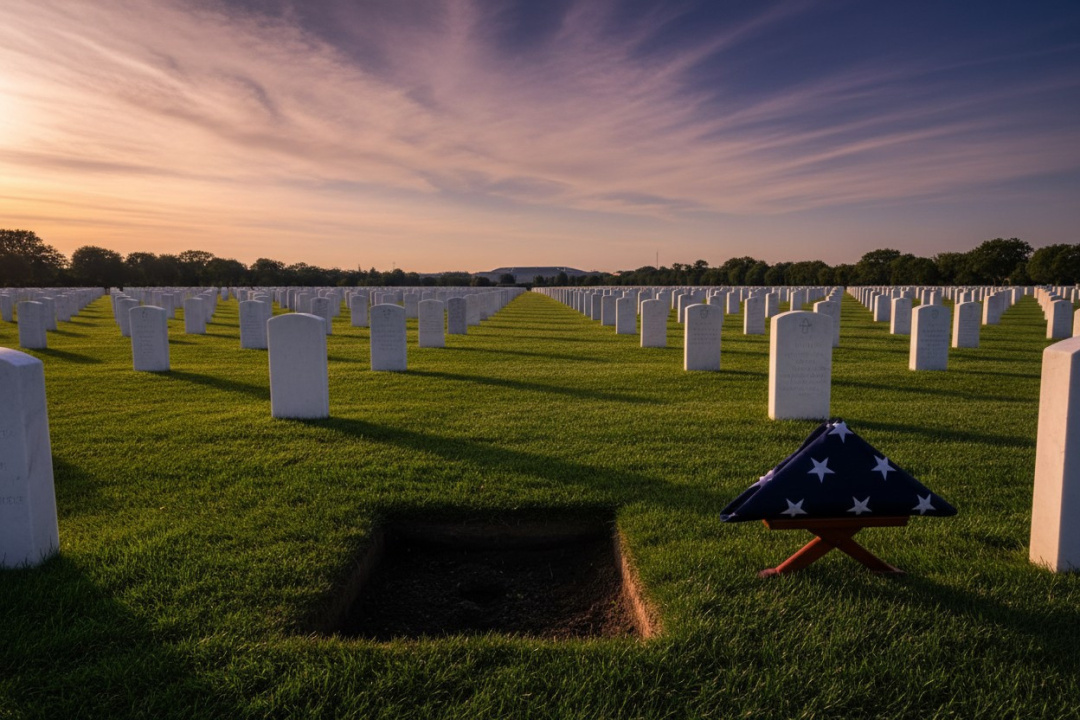
The Pentagon's public casualty tracking system has come under fire for omitting the deaths of two U.S. service members during the ongoing conflict with Iran. According to a report from the Washington Post, Maj. Sorffly Davius, who died on March 6 in Kuwait, and Sgt. Devin Seibel, who died on May 31 in Iraq, were not included in the Pentagon's official casualty database. This oversight raises serious questions about the accuracy and transparency of the Pentagon's reporting, especially as the conflict continues to escalate.
Maj. Davius, a member of the 42nd Infantry Division, passed away at Camp Buehring in Kuwait from undetermined causes. He had been deployed in support of Operation Spartan Shield since the summer of 2025. His remains were returned to Dover Air Force Base on March 9, as reported by CBS News. Sgt. Seibel, assigned to the Air Ambulance Company, 2nd Battalion, 4th Combat Aviation Brigade, died during a training-related incident at Erbil Air Base in Iraq, which is currently under investigation. Both deaths were described by the Pentagon as occurring in operations separate from the ongoing conflict with Iran.
Common Sense Shop
The United States of Common Sense
Amazon shopping links. Sponsor Complete!
The omission of these deaths is particularly concerning as the Pentagon faces increasing scrutiny from Congress regarding its public accounting of military casualties. The Pentagon's inspector general recently released a report detailing munitions expenditures during the war, which has led to inventory shortfalls. The Congressional Budget Office has estimated that the war has already cost approximately $38 billion in its first five months, with projections of an additional $2 to $3 billion for every subsequent month of fighting.
As of September 8, the Pentagon's casualty database listed 18 confirmed deaths and 820 wounded since the war began on February 28. With the addition of Davius and Seibel, the minimum confirmed death toll now stands at 22 service members, with some officials suggesting the total could be as high as 23, plus three contractors. This discrepancy in casualty reporting has prompted active service members to voice concerns about the extent of damage to U.S. bases, revealing significant destruction that has not been adequately communicated to the public.
Calls for Transparency in Casualty Reporting
The Defense Casualty Analysis System (DCAS) has faced criticism in the past for inconsistencies in casualty figures, including a temporary removal of the names of four service members killed by Iranian strikes. In response to these discrepancies, Senate Democrats on the Armed Services Committee have pressed for a full and accurate accounting of casualties, highlighting the need for transparency in military reporting.
The Common Sense Test
The ongoing debate over the accuracy of official casualty data during the war with Iran reflects a broader pattern of contested public accounting in recent U.S. military operations. During the war in Afghanistan, Pentagon officials stated they did not conduct body counts, indicating a troubling lack of accountability. The current omissions in the DCAS database, combined with the inspector general's findings of munitions shortfalls, underscore the urgent need for greater transparency in the Pentagon's reporting practices.
As lawmakers continue to demand answers regarding the discrepancies in casualty reporting, the Pentagon's silence on the omissions of Davius and Seibel raises further questions about its commitment to providing accurate information to the American public. The ongoing conflict and its toll on service members deserve a full accounting, and the Pentagon must address these omissions to restore trust in its reporting.