AfD Leads in State Elections, Merz's Party Suffers Defeat

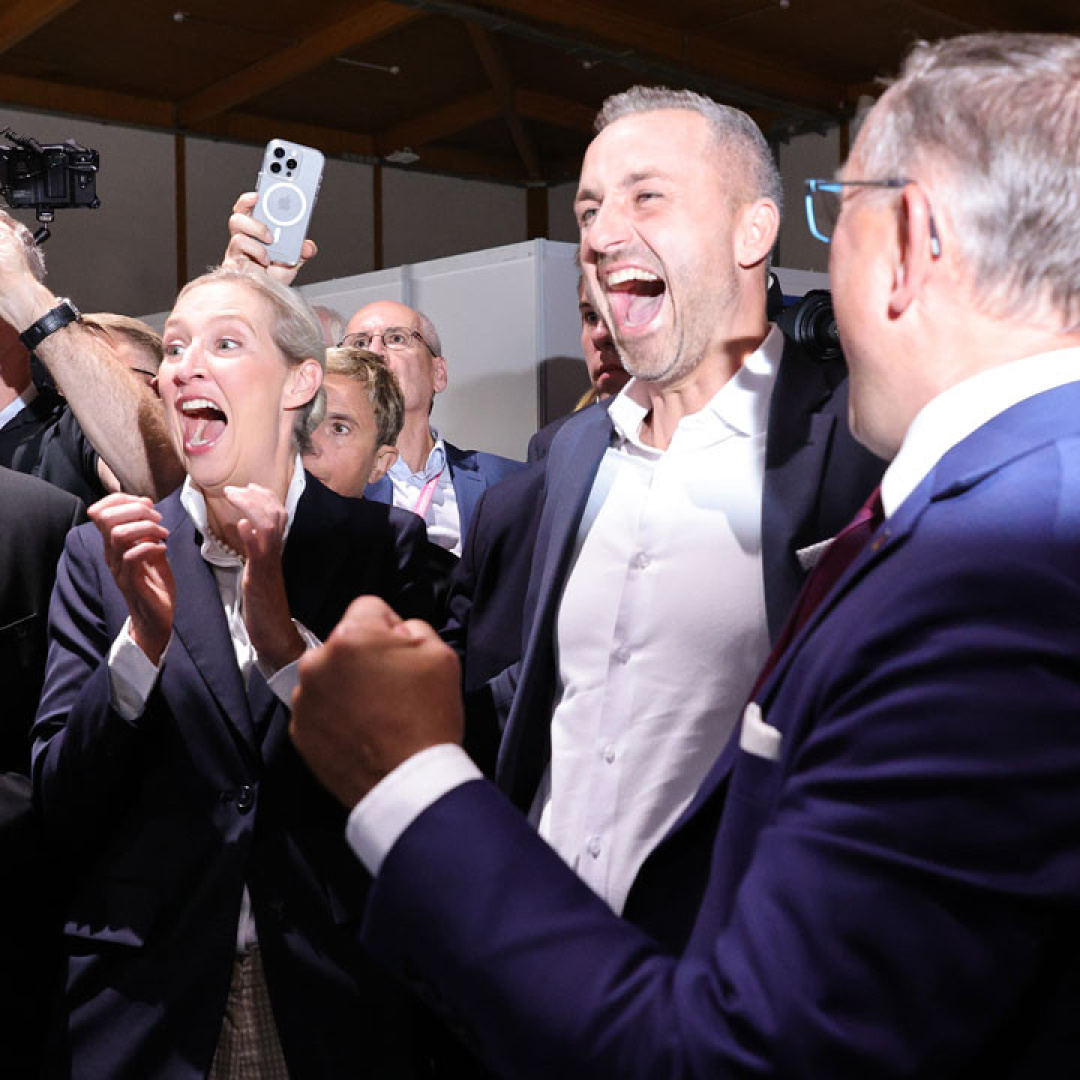
In a striking turn of events, the Alternative for Germany (AfD) has topped the state elections in Mecklenburg-Western Pomerania, according to exit polls. The party is projected to secure around 37% of the vote, significantly ahead of the center-left Social Democrats at 35.5%. In stark contrast, Chancellor Friedrich Merz's conservative party has suffered a staggering defeat, garnering only 5.5% of the votes, barely managing to enter the state parliament. This outcome is being described as a "disaster" for Merz, who has insisted on continuing his reform agenda despite the setback.
The AfD's rise in popularity is particularly notable given that it has been consistently shunned by mainstream political parties, which refuse to collaborate with it. If these exit poll results are confirmed, this would represent the worst performance for Merz's party in any state election since 1949. The AfD's recent successes, including a first-place finish in Saxony-Anhalt earlier this month, have sent shockwaves through the German political landscape, as the party is now topping national opinion polls.
Common Sense Shop
The United States of Common Sense
Amazon shopping links. Sponsor Complete!
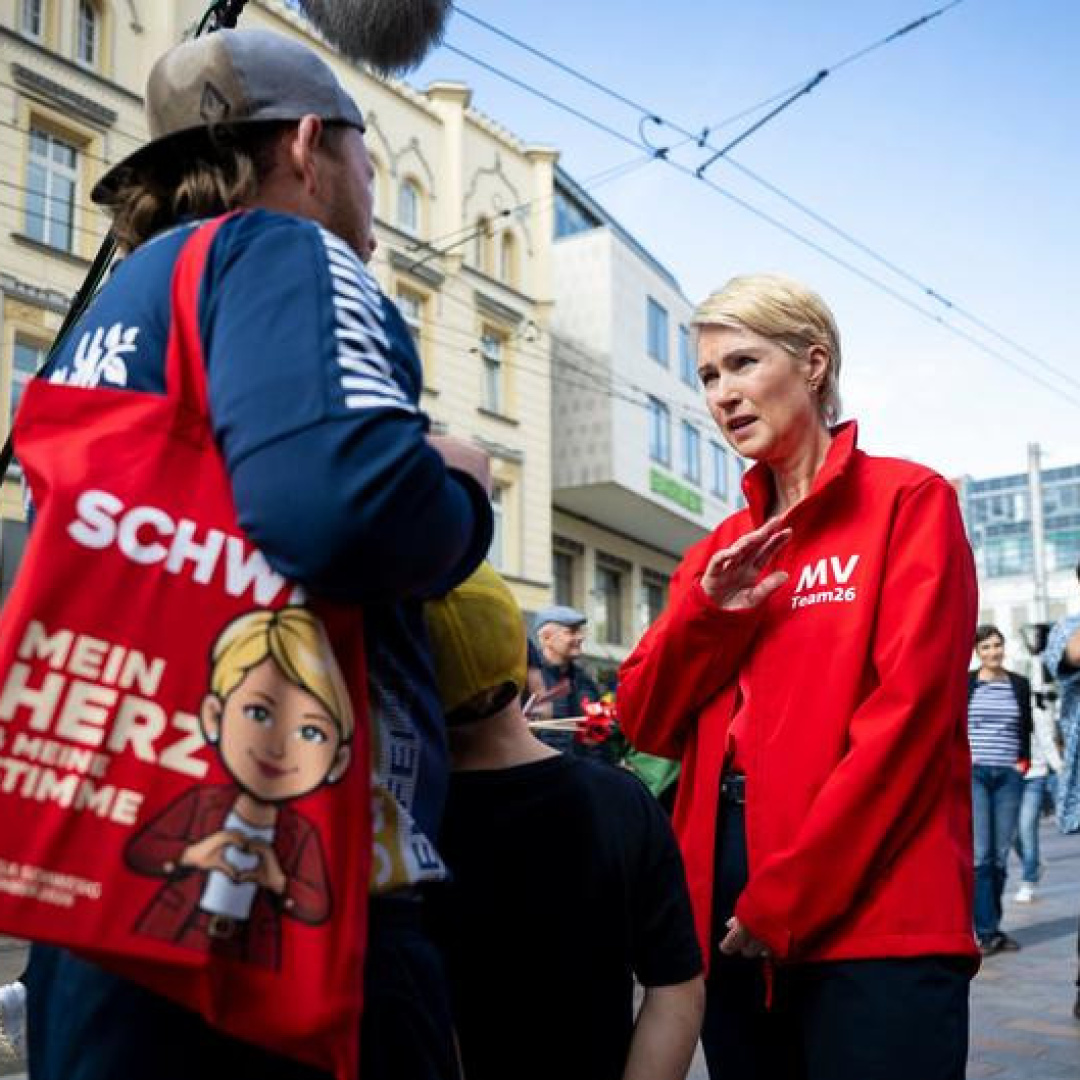
Merz, visibly shaken by the results, acknowledged the gravity of the situation in a televised statement, labeling the outcome a disaster. However, he signaled his intention to fight on as Chancellor, despite speculation that he might resign due to the poor performance. The elections in Mecklenburg-Western Pomerania, a largely rural state in the former East Germany, and the capital Berlin, where the far-left Linke party also gained ground, illustrate a troubling trend for traditional conservative parties.
The political landscape is shifting dramatically, with the AfD advocating for stringent immigration policies, including the deportation of foreigners without legal status, a restoration of energy ties with Russia, and a departure from the euro. This transformation from a fringe eurosceptic party to Germany's most popular political force within a decade raises serious questions about the future of German politics and the stability of Merz's leadership.
Merz Faces Leadership Crisis After Elections
As the dust settles from these elections, Merz has called for a party meeting to discuss the way forward. With his low approval ratings and the growing strength of the AfD, the future of his leadership hangs in the balance. The implications of these election results extend beyond Germany, potentially influencing political dynamics across Europe as the AfD's success may embolden similar far-right movements in other countries.
The implications of the AfD's electoral success cannot be overstated. As the party continues to gain traction, it poses a significant challenge to the established political order in Germany. The reluctance of mainstream parties to engage with the AfD only fuels its narrative of being an outsider fighting against a corrupt political elite. This dynamic is likely to resonate with voters who feel disenfranchised by traditional parties.
The Common Sense Test
The AfD's platform, which includes a hardline stance on immigration and a desire to restore ties with Russia, reflects a growing discontent among the electorate regarding current policies. As the party capitalizes on these sentiments, it raises critical questions about the direction of German politics and the potential for further polarization in the coming years. The results from these elections serve as a wake-up call for Merz and his party, signaling the urgent need for a reevaluation of their strategies and policies to regain the trust of the electorate.
In conclusion, the electoral performance of the AfD in these state elections marks a pivotal moment in German politics. The party's ability to attract significant support reflects a broader trend of rising populism and dissatisfaction with the status quo. As Merz grapples with the fallout from this defeat, the challenge ahead will be to address the concerns of voters while navigating the complex political landscape that the rise of the AfD has created. The future of Germany's political stability may well depend on how effectively traditional parties respond to this emerging reality.