Xi Jinping Urges Cooperation with Trump to Avoid 'Thucydides Trap'
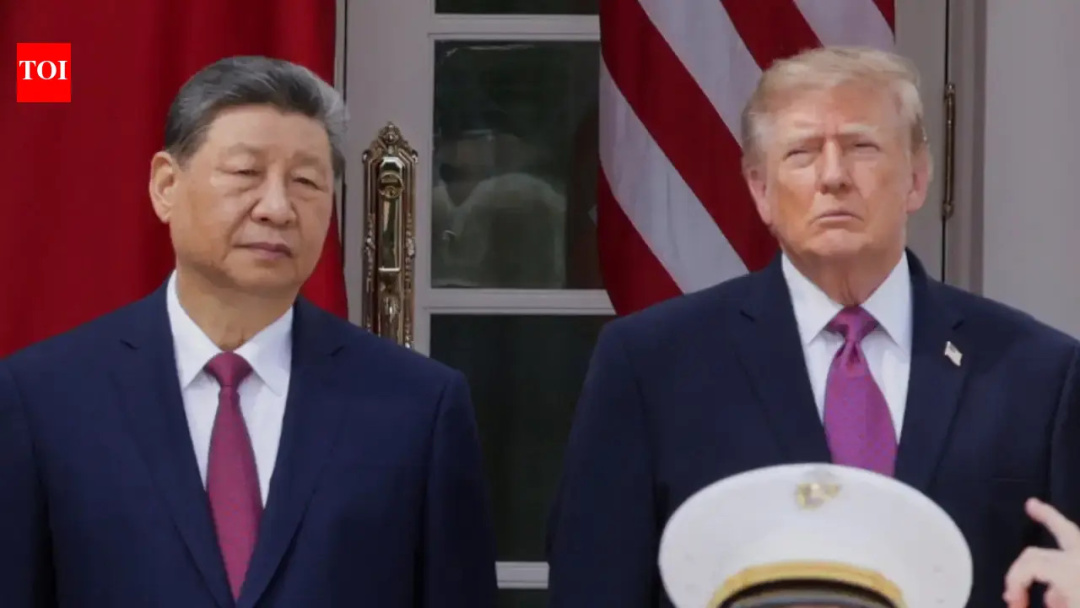
In a significant diplomatic overture, Chinese President Xi Jinping addressed the potential for conflict between the United States and China during a meeting with President Donald Trump at the White House. Xi's remarks centered on the concept of the 'Thucydides Trap,' a term coined by Harvard political scientist Graham Allison, which describes the tensions that arise when a rising power challenges an established one. Xi asserted that the two nations could avoid the historical conflicts that often accompany such power shifts, stating, "the Thucydides Trap CAN be overcome."
The term derives from the ancient historian Thucydides, who chronicled the Peloponnesian War, identifying the fear generated by the rise of Athens as a catalyst for conflict with Sparta. Allison's analysis of modern great-power rivalries found that out of 16 historical cases, 12 resulted in war. Xi's comments suggest a desire for a cooperative relationship, emphasizing that China's growth does not have to come at the expense of the United States. He advocated for a partnership, urging both countries to manage their competition and maintain peace.
Common Sense Shop
The United States of Common Sense
Amazon shopping links. Sponsor Complete!
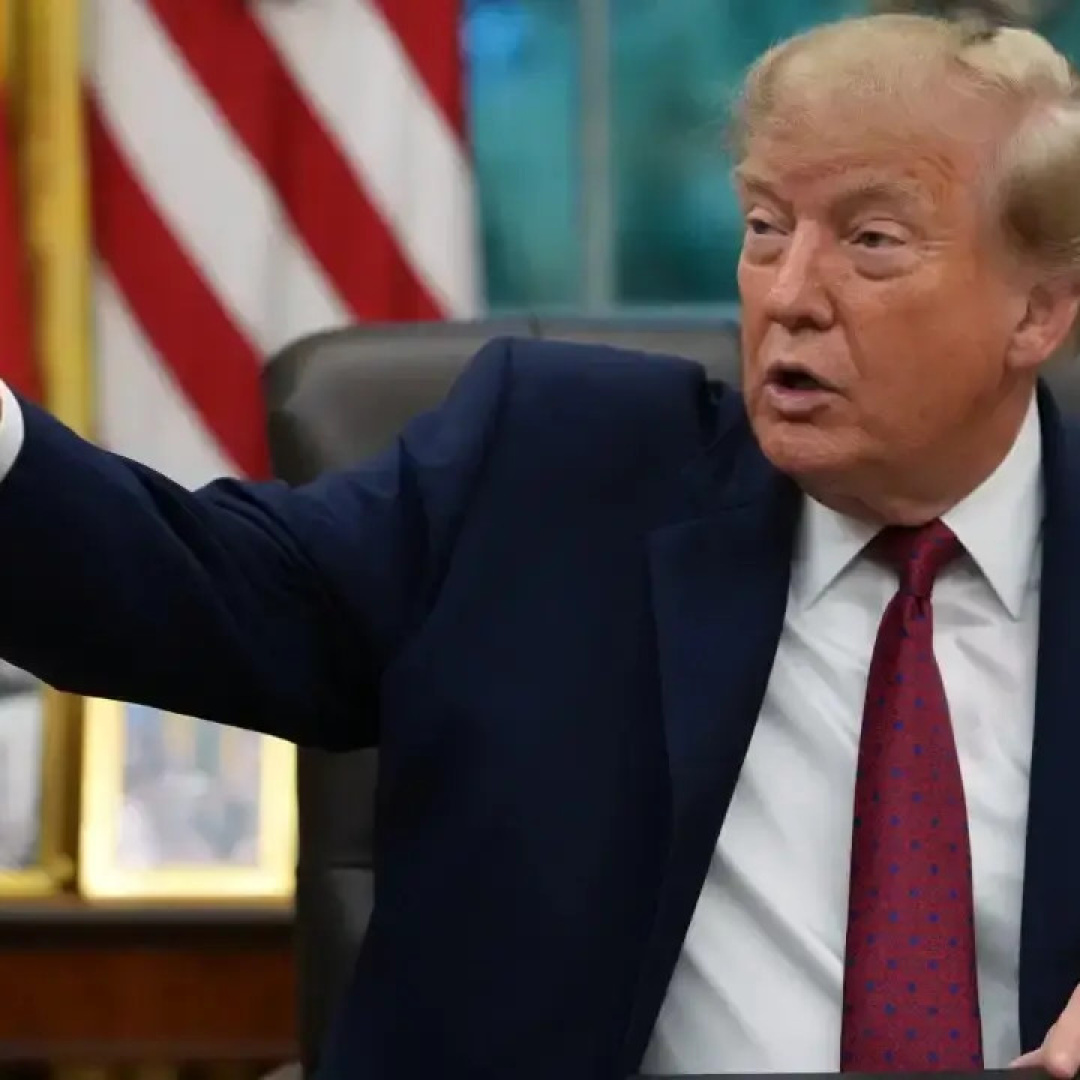
This rhetoric marks a departure from the confrontational tone that has characterized US-China relations in recent years. Xi's call for cooperation was met with a surprisingly warm response from Trump, who described Xi as a "great leader" and highlighted the personal rapport between the two leaders. This shift in tone contrasts sharply with the previous administration's more aggressive stance towards China, which included tariffs and strong rhetoric against Beijing's policies.
However, skepticism remains among critics in Washington, who argue that China's military expansion and assertive actions around Taiwan indicate that the country cannot be trusted to act as a benign partner. Some commentators have criticized Trump for appearing overly deferential to Xi, suggesting that his approach undermines American interests. The Atlantic magazine even labeled Trump a "Deferential President," implying that he has shifted from a position of strength to one of submission.
Navigating Complexities in US-China Relations
Secretary of State Marco Rubio provided a more nuanced perspective, asserting the necessity of high-level engagement with China despite existing differences. He remarked that the relationship between the two nations would define the 21st century, a sentiment that reflects the growing recognition of the strategic importance of US-China relations. As the world watches this evolving dynamic, it remains to be seen whether Xi's call for partnership will lead to a new era of cooperation or if underlying tensions will ultimately prevail.
The Common Sense Test
As both leaders navigate their respective domestic and international challenges, the implications of their meeting extend beyond mere rhetoric. The question of how to manage the rise of China while safeguarding American interests continues to loom large. With the stakes higher than ever, the need for a balanced approach that recognizes both the opportunities and threats posed by China's ascent is critical. The outcome of this diplomatic engagement may well shape the geopolitical landscape for years to come, prompting a reevaluation of strategies on both sides.
Ultimately, the effectiveness of Xi's appeal for cooperation will depend on the actions taken by both nations in the coming months. While the prospect of a more stable US-China relationship is appealing, it must be approached with caution. The historical lessons of the Thucydides Trap remind us that power dynamics are fraught with peril, and the United States must remain vigilant in defending its interests while engaging with China. As this relationship unfolds, the commitment to maintaining a balance between competition and cooperation will be essential for ensuring peace and stability in the region and beyond.