Bob Menendez Appeals Corruption Conviction in Federal Court
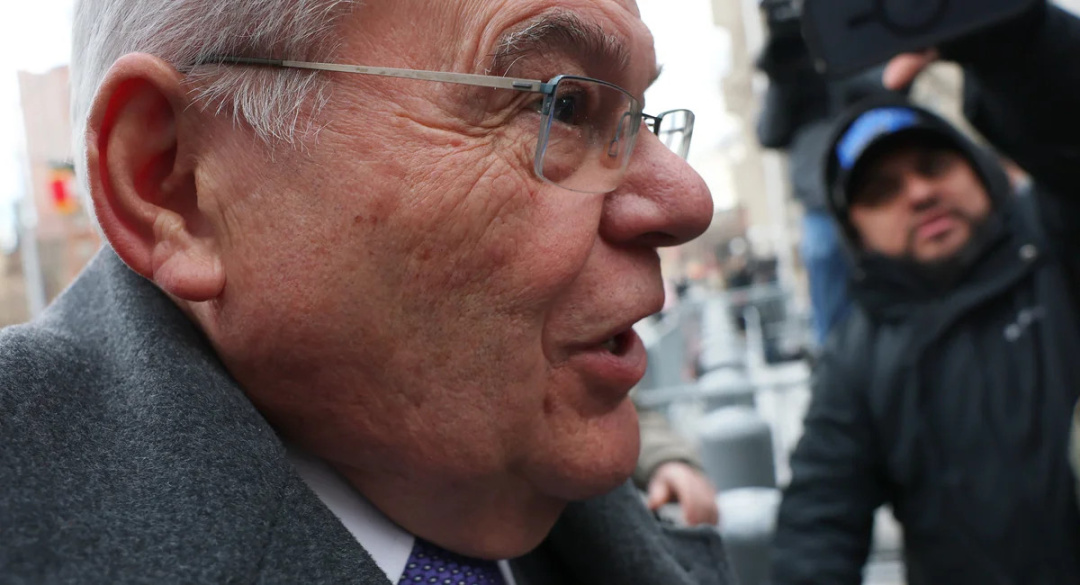
Former U.S. Senator Bob Menendez is seeking to overturn his corruption conviction in a federal appeals court. His legal team presented arguments before the Second Circuit Court of Appeals, asserting that Menendez's actions were shielded by the Constitution's speech and debate clause, which protects legislators from legal repercussions for actions taken in their official capacity. This appeal comes as Menendez serves an 11-year sentence in a federal prison in Pennsylvania, following his conviction in a bribery scheme that involved accepting cash, gold bars, and luxury gifts in exchange for political favors.
Menendez, who represented New Jersey in Congress for over 30 years, was convicted alongside his wife, Nadine Menendez, real estate developer Fred Daibes, and businessman Wael Hana. The defense contends that the prosecution's case was flawed, particularly regarding the admissibility of evidence during the trial. They argue that the jury was exposed to inadmissible documents on a laptop used for deliberations, which could have unfairly influenced their decision. Nadine Menendez's attorney further claimed that her Sixth Amendment rights were violated when her original attorney was kept on the witness list, effectively forcing her to abandon counsel of her choice.
Common Sense Shop
The United States of Common Sense
Amazon shopping links. Sponsor Complete!
The crux of the defense's argument hinges on the assertion that Menendez's actions related to the appointment of Phillip Sellinger as U.S. attorney for New Jersey constituted protected legislative activity. Prosecutors had argued that Menendez withheld support for Sellinger until he was assured that Sellinger would assist in a case involving Daibes. However, Menendez's attorney, Noel Francisco, maintained that advising the president on such appointments is part of a senator's official duties and should be immune from prosecution.
During the appeal, Assistant U.S. Attorney Paul Monteleoni countered that the defense's interpretation of legislative immunity was overly broad. He emphasized that the Constitution's protections apply only to actions taken after an official nomination, not during preliminary discussions. The judges, including Judge Beth Robinson, appeared receptive to the defense's arguments regarding legislative immunity, suggesting that the case could hinge on how broadly the court interprets the speech and debate clause.
Legal Standards in Corruption Appeals
The appeal also raises significant implications for the legal standards governing corruption cases involving public officials. The defense has argued that prosecutors failed to demonstrate that Menendez's actions constituted official acts necessary to establish a quid pro quo arrangement. They pointed to a meeting between Menendez and New Jersey's former attorney general, Gurbir Grewal, as an example where no undue pressure was exerted. Grewal testified that although Menendez sought to discuss an investigation into a trucking company, he did not follow up with his investigators.
The Common Sense Test
As the appeal unfolds, it highlights the complexities of prosecuting public officials for corruption, particularly in defining what constitutes an official act. The defense's focus on the handling of evidence and the rights of the defendants underscores the importance of procedural integrity in such high-stakes cases. Menendez's case is not just about his future but also sets a precedent for how legislative actions are scrutinized in the legal system. The outcome of this appeal could influence future cases involving allegations of corruption among lawmakers, shaping the legal landscape for accountability in public office.
Ultimately, the appeal of Bob Menendez raises critical questions about the balance between legislative immunity and accountability. As the court deliberates, the implications of their decision will resonate beyond this case, potentially affecting how corruption is prosecuted in the future. The legal arguments presented reflect a broader struggle over the interpretation of constitutional protections for lawmakers, making this a pivotal moment in the ongoing discourse surrounding ethics in government.