CDU Suffers Historic Defeat in German State Elections
The recent state elections in Berlin and Mecklenburg-Western Pomerania have dealt a significant blow to Chancellor Friedrich Merz's Christian Democratic Union (CDU). The results underscore a troubling trend for the party, which is grappling with declining support amid rising popularity for the far-right Alternative for Germany (AfD). In Mecklenburg-Western Pomerania, projections indicate that the CDU narrowly failed to clear the 5% threshold needed for representation in parliament, marking a historic first for the party. Meanwhile, in Berlin, the CDU, which previously led the state government, lost nearly a third of its support, dropping to around 20%.
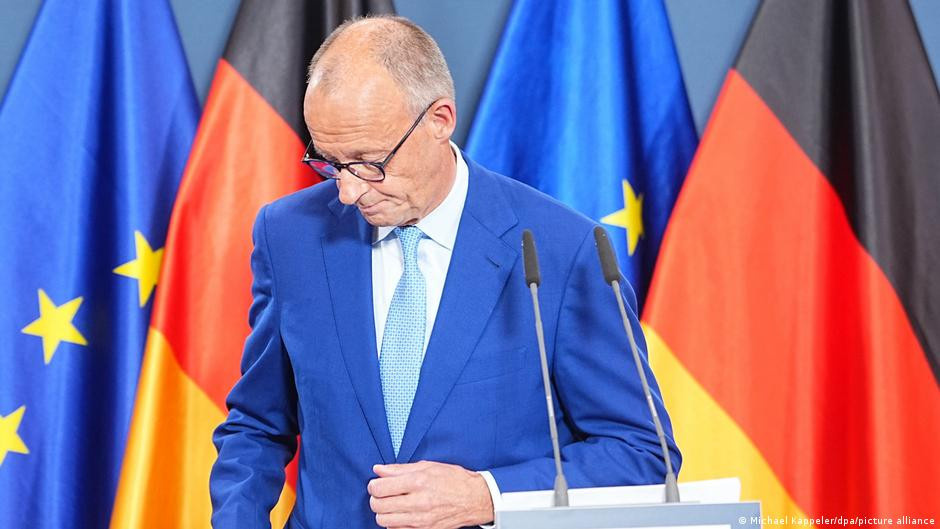
Shortly after the initial projections were released, Merz did not shy away from addressing the party's poor performance. He candidly stated, "We can't sugarcoat the results in Mecklenburg-Western Pomerania — it was a disaster," while describing the heavy losses in Berlin as "reasonable." This election marks the CDU's third electoral defeat in just two weeks, following a disappointing showing in Saxony-Anhalt where the party lagged behind the AfD, classified as partially far-right extremist by the Office for the Protection of the Constitution.
Common Sense Shop
The United States of Common Sense
Amazon shopping links. Sponsor Complete!
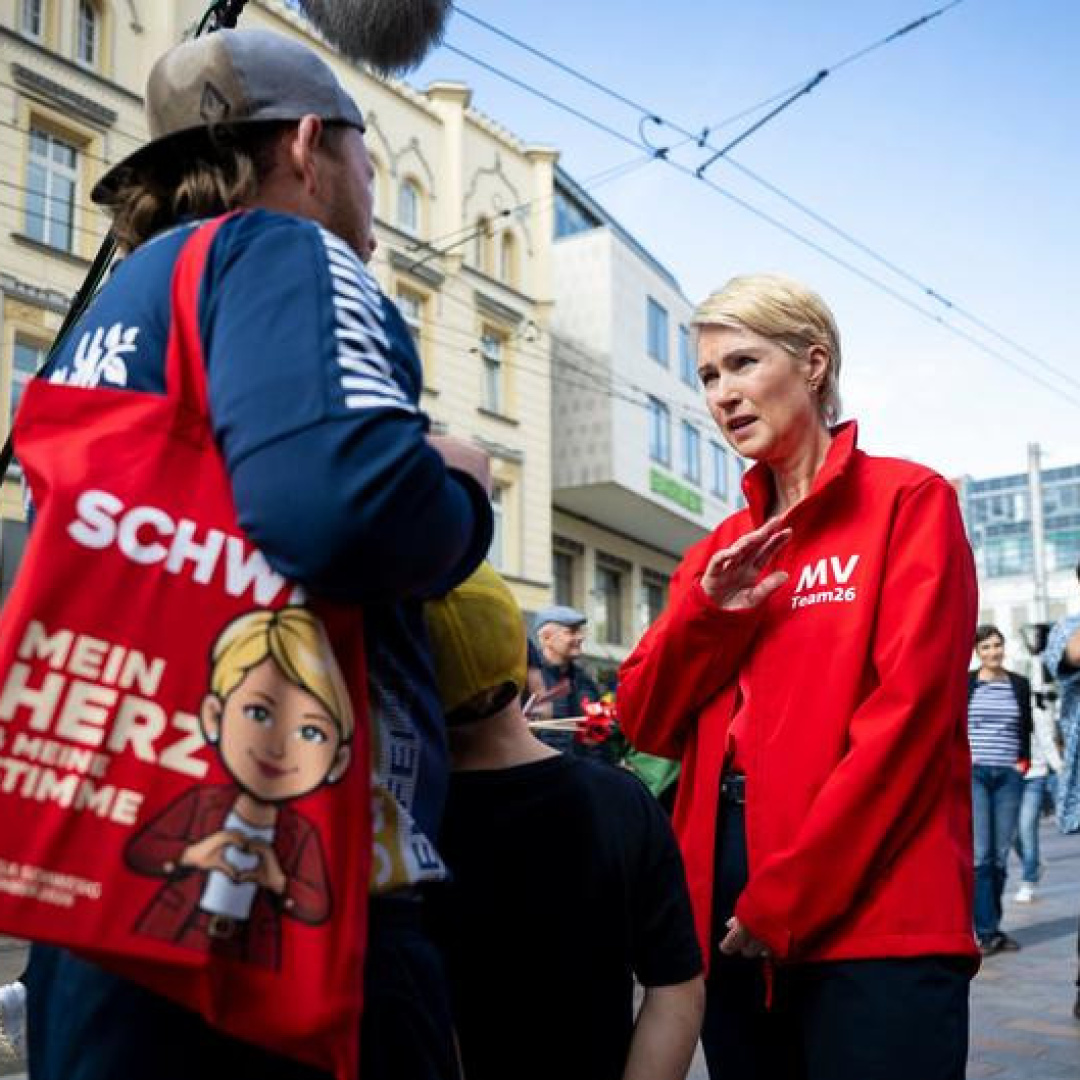
At the federal level, Merz leads a coalition with the center-left Social Democratic Party (SPD), which also experienced mixed results in the state elections. In Mecklenburg-Western Pomerania, SPD state premier Manuela Schwesig garnered around 36% of the vote, finishing just behind the AfD, which nearly doubled its share to 38%. In Berlin, however, the SPD saw its support plummet by a third to just 12%, while the AfD emerged as the third-largest party with 16% of the vote. The socialist Left Party has now become the frontrunner in Berlin, capturing approximately 25% of the vote and doubling its previous share.
The potential for a coalition between the Left Party, SPD, and the environmentalist Greens looms large, which could see Elif Eralp from the Left Party become the first mayor of Berlin from that party. Eralp has articulated a vision for an inclusive and affordable Berlin, emphasizing dignity for all residents regardless of background.
AfD's Rising Influence and CDU's Response
In the aftermath of these elections, AfD co-leader Alice Weidel declared that the CDU's strategy of refusing to cooperate with her party had failed. She expressed a desire for coalition talks with the CDU, further complicating the political landscape. The results of these elections reflect a growing dissatisfaction among the populace with Chancellor Merz and his coalition's handling of various issues. Nationwide opinion polls indicate that the governing coalition no longer holds a majority, with the AfD gaining significant traction.
As the CDU grapples with these setbacks, Merz remains committed to his reform agenda aimed at addressing the rising costs of health care, long-term care, and pension insurance. Despite the negative electoral outcomes, he insists that the reforms must proceed, acknowledging the challenges they pose to the public. Merz stated, "What needs to be done now requires backbone, resolve, and patience. I will muster that — as chairman of the CDU and, above all, as the chancellor of our country." The coalition has already reached agreements on health care reforms that will increase costs for many, a move unlikely to garner new support for the unpopular government.
The Common Sense Test
The implications of these election results extend beyond domestic policy, as Merz faces increasing pressure on the international stage. The AfD's strong position in eastern Germany, particularly regarding its opposition to military support for Ukraine, adds another layer of complexity to the federal government's challenges. With political fringes gaining more support, the CDU must navigate a landscape increasingly defined by dissatisfaction with traditional parties.
The recent electoral defeats have left Chancellor Merz visibly shaken, prompting questions about his leadership and the future of the CDU. As political dynamics shift, the party must confront the reality of its declining influence and the rising prominence of the AfD. The upcoming coalition negotiations and the potential for radical shifts in policy direction will be critical for the CDU's survival. Merz's commitment to reform amidst these challenges will be tested as he attempts to regain the trust of voters disillusioned with the current political climate. The CDU's path forward remains uncertain, and the party's ability to adapt to the changing landscape will be crucial in the coming months.