Understanding the Stakes of America's $40 Trillion National Debt
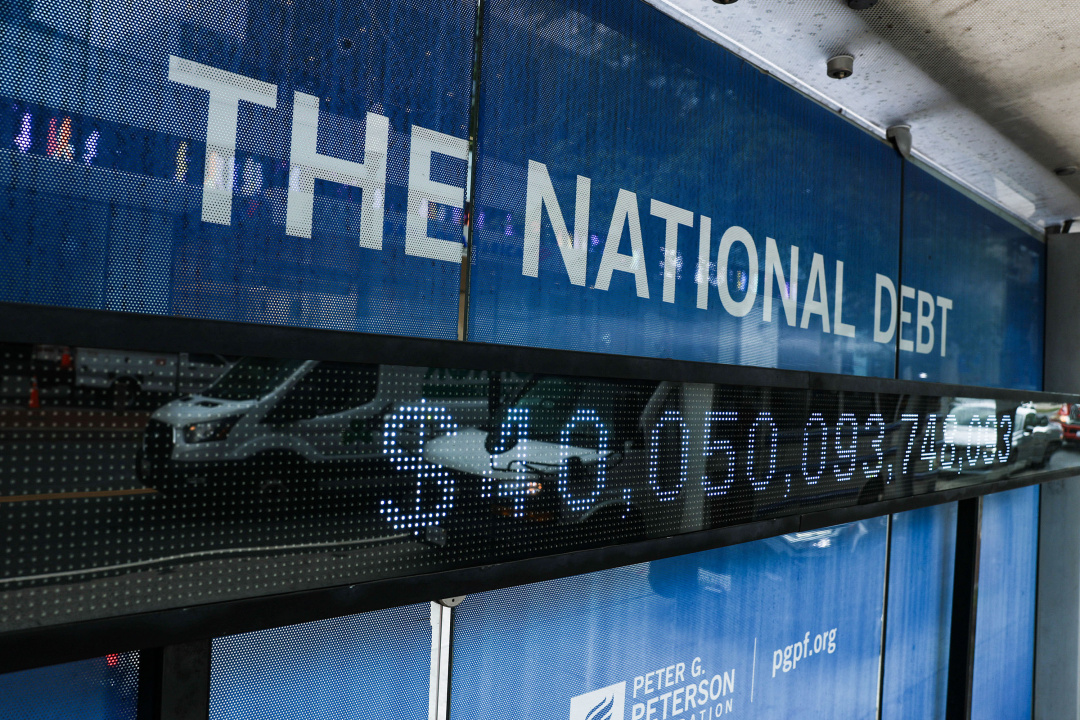
The U.S. national debt has now exceeded $40 trillion, a staggering figure that many might dismiss as just another number. However, this should concern every American, especially as Congress shows little inclination to curb its spending habits. The reality is that there has always been someone willing to lend the U.S. money, with foreign investors historically comfortable buying our Treasury securities at relatively low interest rates compared to riskier debts from other nations.
Our national debt comprises Treasury bills, notes, and bonds, which are essentially IOUs from the government. Treasury bills have maturities of less than two years, notes range from two to ten years, and bonds are long-term commitments. Individuals can purchase these securities through the TreasuryDirect.gov website, starting at a minimum of $100. However, the bulk of our national debt is held by large institutions and foreign central banks, which participate in regular auctions to set interest rates for these securities.
Common Sense Shop
The United States of Common Sense
Amazon shopping links. Sponsor Complete!
When foreign buyers bid on U.S. debt, they assess various factors, including the strength of the American economy and inflation risks that could diminish the value of their returns. Compared to countries like Greece and Argentina, which have defaulted on their debts, U.S. Treasury securities are viewed as a safe investment. As of June 2026, Japan is the largest holder of U.S. debt, with $1.1 trillion, followed by the UK, China, Belgium, and Canada.
Owning U.S. debt has been beneficial for these countries, as they sell goods to the U.S. and receive dollars in return, some of which they reinvest in American securities. However, if the U.S. imposes tariffs and reduces imports, these nations will earn fewer dollars, which could limit their ability to purchase our debt. This dynamic is crucial; without foreign investment in our IOUs, the Treasury would need to offer higher interest rates to attract buyers, which could lead to economic repercussions.
The Global Trust in U.S. Debt
Historically, since World War II, the U.S. has been seen as the safest place for investment, with Treasury debt holding an AA+ rating, just below the highest level. In contrast, the UK and Japan have lower ratings, resulting in higher borrowing costs for them. While China seeks to position its currency as a global standard, it lacks the trust necessary to replace the dollar as the world's reserve currency.
The Common Sense Test
However, if the U.S. has to raise interest rates to attract investors concerned about inflation eroding their returns, the consequences could be dire for the economy. Higher Treasury rates can lead to increased mortgage rates and borrowing costs for businesses, stifling economic growth. This presents a dual challenge: while savers may benefit from higher returns, borrowers will face increased expenses.
As Shakespeare wisely noted in Hamlet, "Neither a borrower nor a lender be," highlighting the importance of financial discipline—a lesson that resonates today as we navigate the complexities of national debt and economic stability. The stakes are high, and the question remains: how long can we maintain this precarious balance before the consequences become unavoidable?