Supreme Court to Decide Control Over U.S. Energy Policy
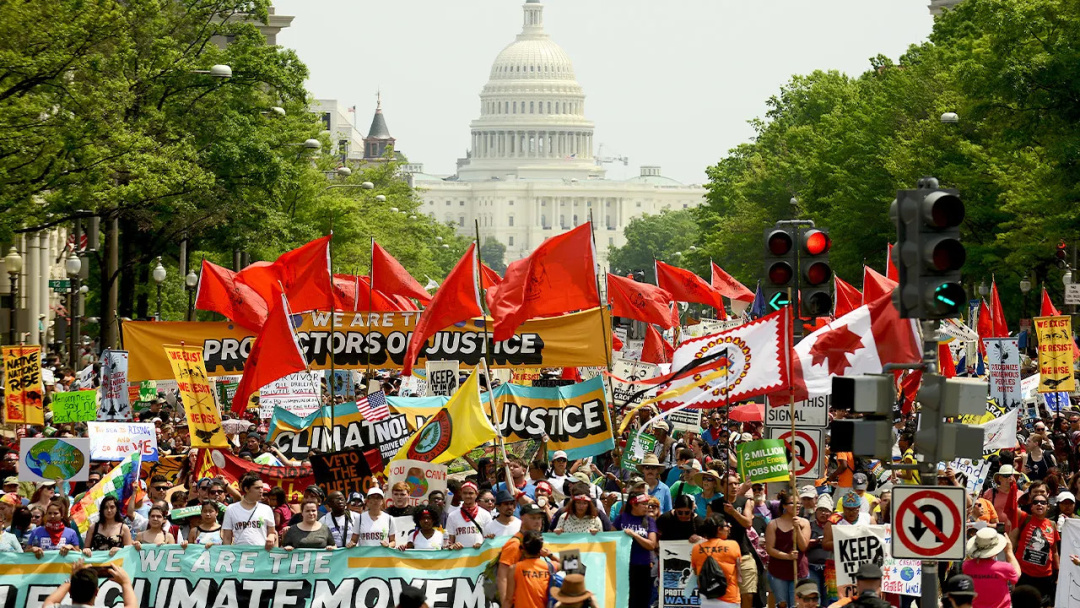
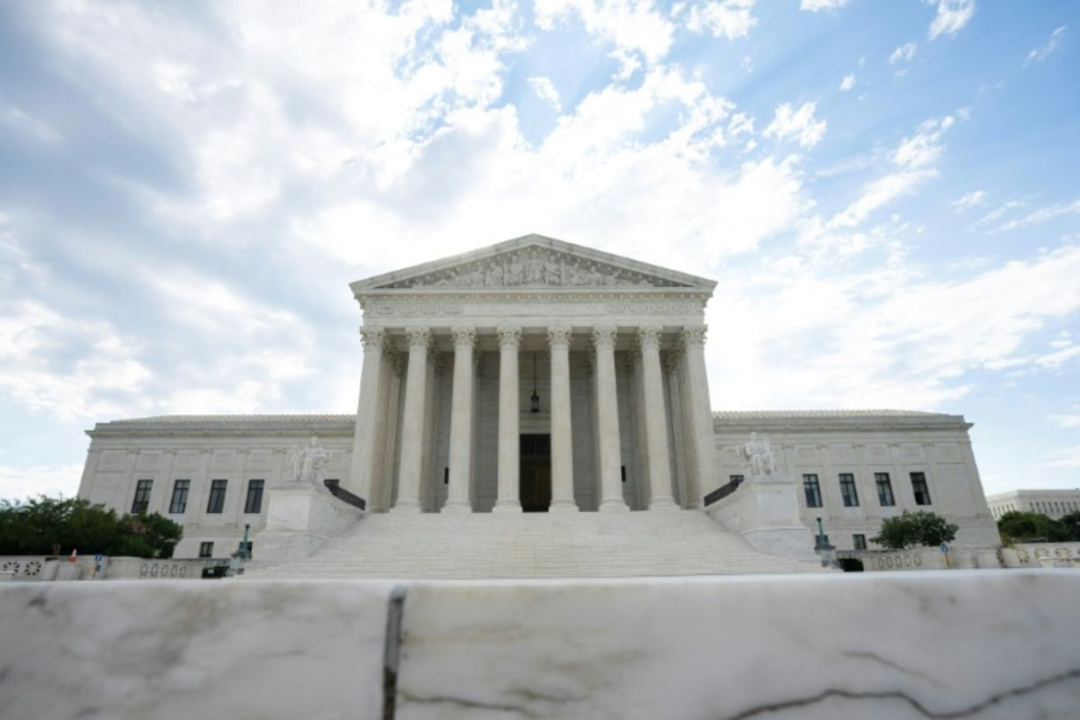
The U.S. Supreme Court is set to address a crucial question regarding energy policy when it opens its new term on October 5. The case, Suncor v. Boulder, will determine whether Congress or local governments like Boulder, Colorado, have the authority to regulate American energy policy. Cities such as Boulder, alongside others like Honolulu and Baltimore, have initiated lawsuits against energy companies, claiming that these firms concealed the impacts of their products on climate change.
Traditionally, states have held the power to set policies concerning public health and safety. However, constitutional law and Supreme Court precedents suggest that energy policy, which is integral to the national economy and national security, should be federally governed. The Constitution designates authority over interstate commerce and national security to the federal government, not to individual states.
Common Sense Shop
The United States of Common Sense
Amazon shopping links. Sponsor Complete!
If the Supreme Court does not intervene, numerous municipalities, encouraged by climate activists, will continue to pursue legal avenues that could impose crippling liabilities on energy companies for lawful carbon emissions. This trend threatens to financially devastate the American energy sector, impose significant costs on the economy, and increase vulnerability to foreign adversaries like Russia and Iran.
The regulation of carbon emissions and responses to global climate change should be a federal responsibility, not one relegated to state or local jurisdictions. Greenhouse gases do not respect borders; emissions from a gas station in Boulder are indistinguishable from those of a coal plant in another state or a factory overseas. A challenge that transcends local and national boundaries necessitates a unified national solution that also considers foreign policy implications.
The implications of Boulder’s lawsuit are staggering. Nearly 90% of global carbon emissions originate outside the United States, with China alone accounting for about a third. A Colorado state court ruling that holds U.S. energy producers accountable for global emissions essentially acts as a tax on American energy, while international competitors face no such financial burden. Convincing Beijing to take responsibility for its pollution is an uphill battle.
Energy Policy's Role in National Security
Energy serves as a tool of power, and a cohesive federal approach to energy and climate policy is vital for U.S. foreign policy and national security. The U.S. has long negotiated carbon emissions through international agreements and diplomatic efforts. State court rulings that penalize global emissions could undermine the federal government's ability to negotiate effectively, impacting military readiness and economic stability.
These lawsuits not only disrupt national security and foreign policy but also hinder the federal government’s capacity to regulate a national industry effectively. The energy companies involved in Boulder’s lawsuit operate within the law and comply with federal regulations concerning carbon emissions, as outlined in the Clean Air Act. This act established a comprehensive regulatory framework, assigning the regulation of global emissions to the Environmental Protection Agency, not to state courts.
The Common Sense Test
The constitutional framework clearly delineates the limits of Boulder’s authority. The Framers of the Constitution entrusted national institutions with responsibilities that should not be subject to a patchwork of state laws. Issues of foreign policy, national defense, and interstate pollution must remain under federal control. The interdependence of American energy productivity and national security cannot be overstated.
Allowing Boulder’s climate litigation to proceed would not only undermine Congressional authority but also grant a single Colorado county control over matters critical to American national security. Decisions regarding foreign policy should not be left to the discretion of state court juries or the activists behind these lawsuits. The Supreme Court must assert that these regulatory questions belong to the federal government, putting an end to Boulder’s attempt to dictate American energy policy through litigation. If the Court fails to act, activist jurisdictions will continue their campaign of legal warfare, potentially bankrupting American energy, damaging the economy irreparably, and jeopardizing national security.