Geopolitical Tensions Restrain Oil Price Rally Amid U.S.-Iran Disputes
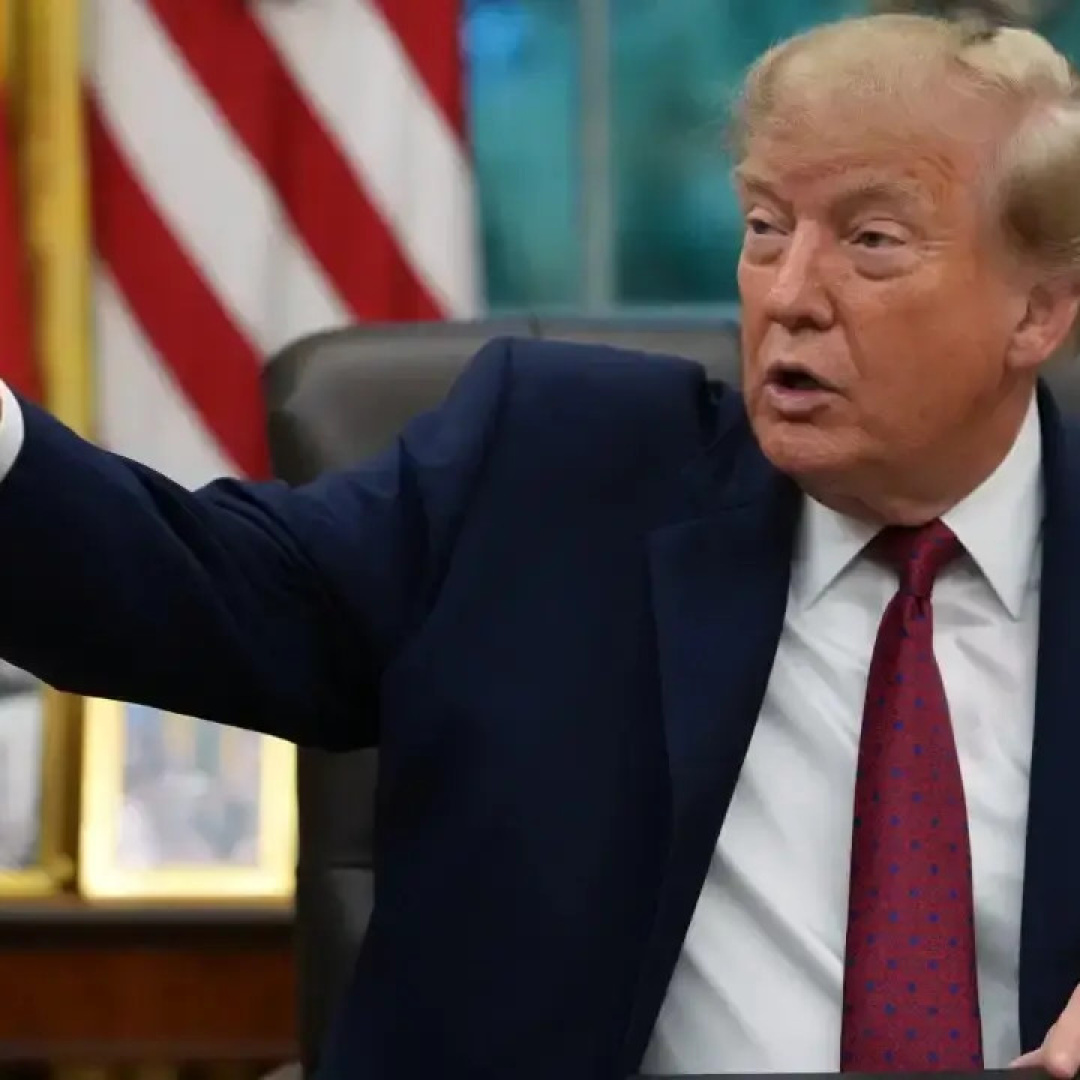
Oil prices have seen a modest rebound from their recent decline, driven by fears surrounding escalating tensions between the U.S. and Iran. Following mixed results in diplomatic efforts, both nations have exchanged threats, leading to increased volatility in the oil market. As of Monday, Brent crude for November delivery rose by 1.70%, trading at $106.09 per barrel, while WTI crude increased by 0.95%, reaching $93.29 per barrel. In a recent speech at the United Nations, Iranian President Masoud Pezeshkian accused the U.S. of instigating conflict and vowed that Iran would not submit to American demands. He outlined seven preconditions for re-engagement in talks, including the release of frozen assets and a cessation of hostilities. This rhetoric follows U.S. President Donald Trump's remarks about potentially 'annihilating' Iran while also hinting at the possibility of a deal post-midterms.
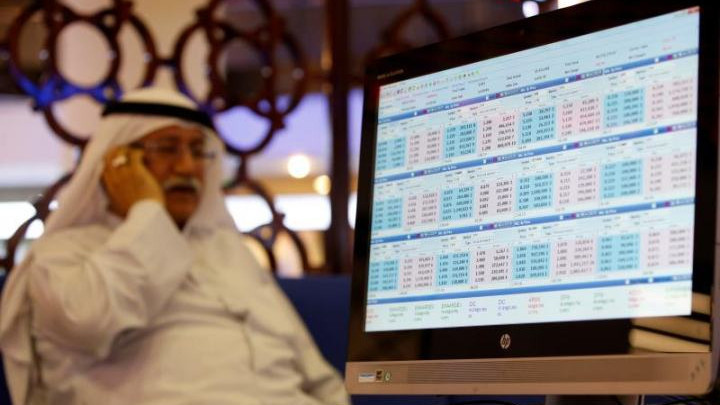
Experts at Standard Chartered have noted that the current rally in oil prices is being capped by unprecedented long positions held by Commodity Trading Advisors (CTAs), which are algorithmic trading funds. This positioning is at a historical peak across Brent, WTI, and major refined product markets, a scenario that has only been observed a few times in the past decade. The report suggests that the upward momentum in oil prices is limited and that any further gains will depend on the actions of physical buyers rather than additional momentum from algorithmic trading.
Common Sense Shop
The United States of Common Sense
Amazon shopping links. Sponsor Complete!
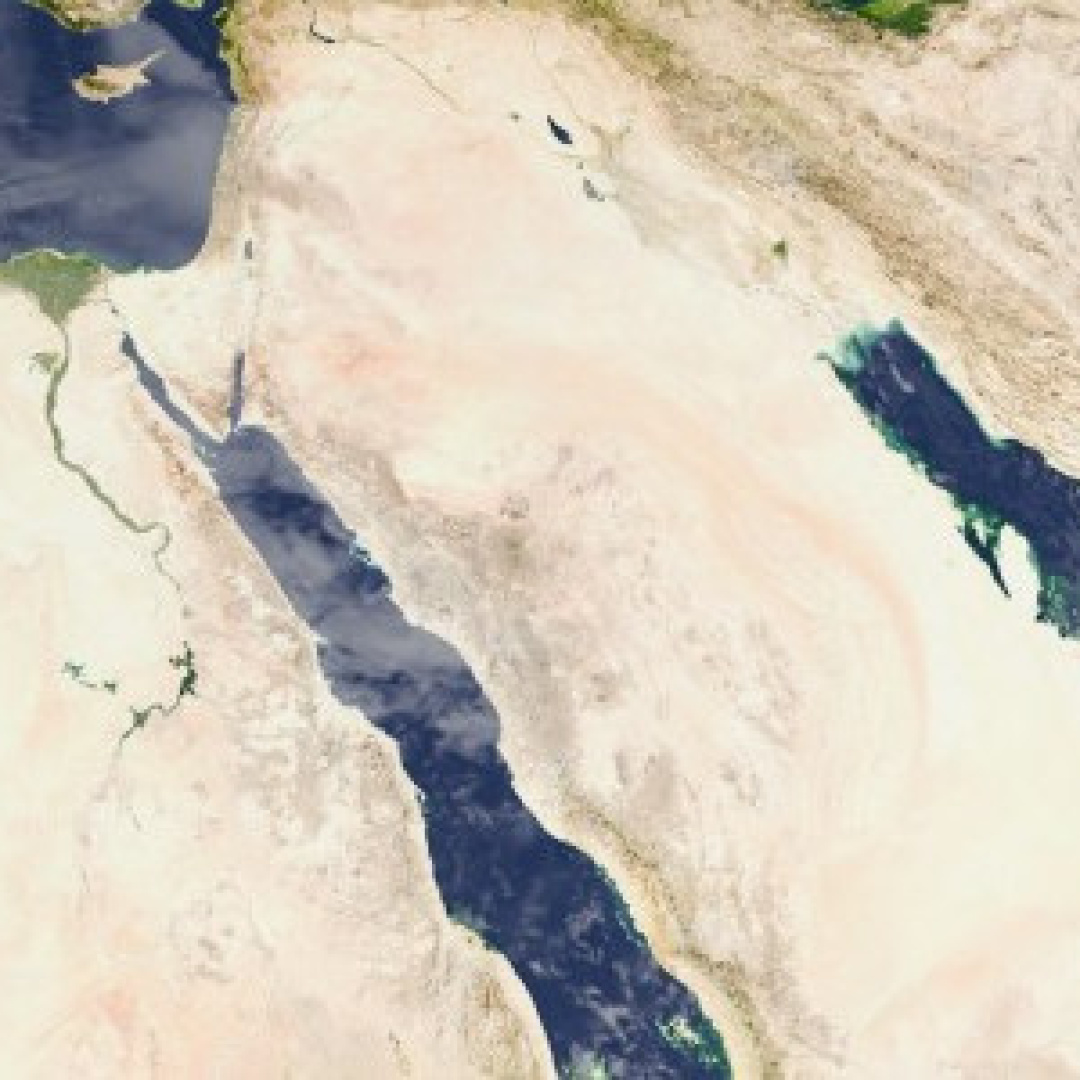
The market is currently vulnerable to a potential downturn if these long positions are unwound. Conversely, any significant price increase would require a new physical shock, such as damage to oil infrastructure or sustained disruptions in the Strait of Hormuz. Standard Chartered emphasizes that the risk to crude prices is twofold: a decline could result from funds liquidating their long positions, while a rise necessitates a new catalyst that impacts physical supply chains.
Surging Diesel Prices and Market Reactions
In the U.S., retail diesel prices have surged past $6.50 per gallon, marking an 83% increase year-to-date and nearly a dollar higher than last month. Gasoline prices are also nearing $4.50 per gallon, up 58% this year. The extreme CTA long positioning in refined products is compounded by the tight supply situation in the market. President Trump has linked the recent price spikes to disruptions in Russia's refining capabilities, urging Ukraine to cease attacks on Russian energy infrastructure. Standard Chartered notes that restoring Russian refining capacity could take months, even if hostilities cease immediately.
The Common Sense Test
The interplay between Washington and Tehran remains critical for the oil market. Both crude and refined products are susceptible to further disruptions until a clear diplomatic resolution is reached. The current market lacks sufficient buffers to absorb any new shocks, meaning that an escalation in tensions could lead to immediate supply constraints. On the other hand, a de-escalation would require weeks or months of recovery in production and refining before the market stabilizes. Despite these uncertainties, Standard Chartered's long-term forecast anticipates higher prices for both crude and refined products, contingent on the nature and speed of any geopolitical resolutions.
European natural gas prices have also rebounded from a three-week low, stabilizing at €74.26/MWh amid ongoing uncertainty regarding Middle Eastern negotiations. Prices had dipped towards €70/MWh last week due to unverified reports suggesting Iran might reopen the Strait of Hormuz if the U.S. meets its demands. However, Standard Chartered cautions that this drop was premature, as no concrete agreements have been confirmed, and European gas fundamentals remain unchanged. Overall, the market is poised on a knife-edge, with geopolitical dynamics playing a decisive role in shaping future price trajectories.