Supreme Court to Review Warrantless Searches of Cellphones at the Border
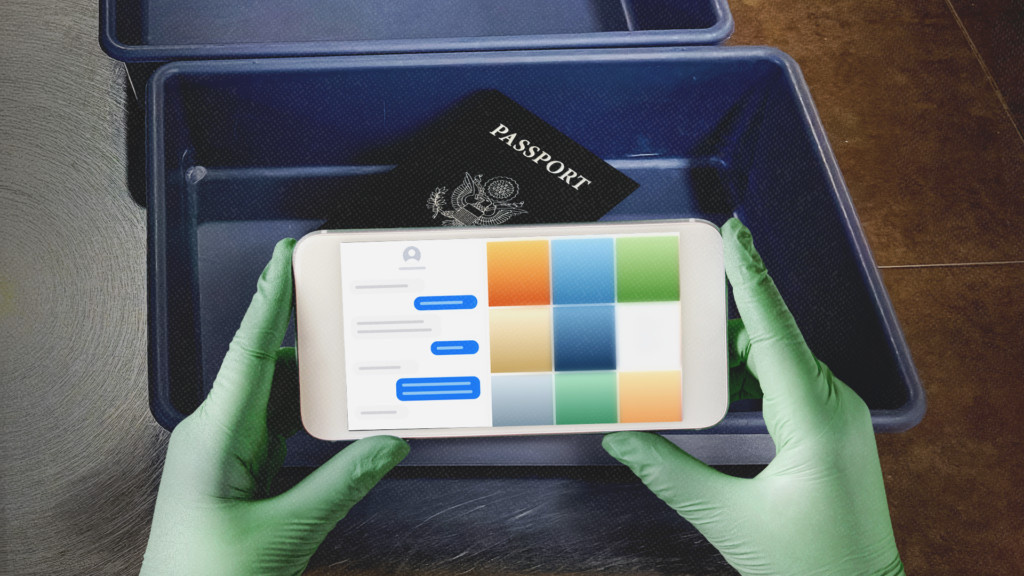
The ongoing debate over warrantless searches of cellphones at the border has reached the Supreme Court, with significant implications for Fourth Amendment protections. George Anibowei, a Texas immigration attorney, has experienced this issue firsthand, having had his phone searched by federal agents on five occasions while traveling internationally. The law currently permits agents to search property, including cellphones, without a warrant or probable cause when crossing the border, a policy upheld by federal courts under the so-called border search exception. This exception is intended to allow the government to protect its borders without the constraints of traditional search warrant requirements.
However, critics argue that this exception is being misapplied, as highlighted in an amicus brief from the Cato Institute. The brief asserts that what began as a narrow constitutional exception is now threatening to erode the very protections it was designed to uphold. Legal scholars and advocates contend that the expansive interpretation of this exception allows federal agents to conduct invasive searches of personal electronic devices, which contain vast amounts of private information.
Common Sense Shop
The United States of Common Sense
Amazon shopping links. Sponsor Complete!
The Supreme Court's previous ruling in Riley v. California (2014) is a critical point of reference in this discussion. In that case, the Court determined that searching the data on a cellphone is fundamentally different from searching physical items, emphasizing the privacy interests at stake. The decision underscored that digital data should receive the same level of protection as traditional personal effects, a principle that seems to clash with the current application of the border search exception.
Legal Perspectives on Digital Privacy Rights
Amy Peikoff, an attorney with the Pacific Legal Foundation representing Anibowei, argues that warrantless searches of cellphones constitute a trespass on personal papers, which should be protected under the Fourth Amendment. She emphasizes that the information stored on cellphones is as private and sensitive as that kept in one's home, and thus should warrant similar legal protections.
The Common Sense Test
The legal implications extend further, especially for individuals like Anibowei, who handle confidential information in their professional capacities. The American Bar Association has raised concerns that warrantless searches could compromise attorney-client privilege, exposing sensitive data to unauthorized parties. This potential violation of civil liberties adds another layer of complexity to the ongoing legal debate.
As the Supreme Court considers whether to hear Anibowei's case, the broader question remains: how much protection does the Fourth Amendment afford to Americans at the border in an era where digital privacy is paramount? The outcome could redefine the balance between national security interests and individual rights, making it a pivotal moment in constitutional law.