Republican Strategies Shift as Senate Races in Georgia and North Carolina Falter
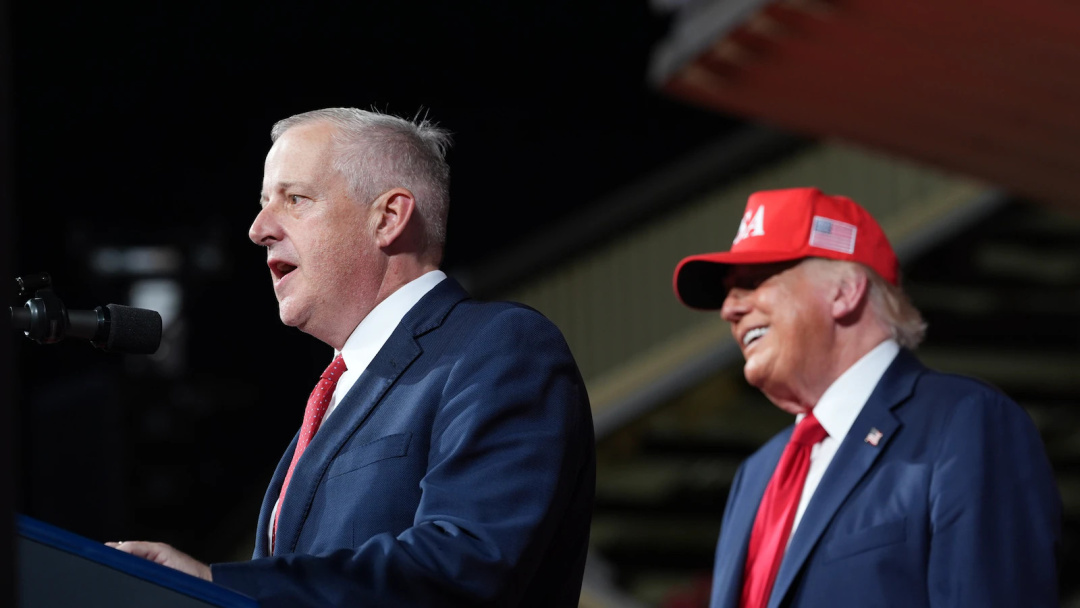
Republican hopes of securing Senate victories in Georgia and North Carolina are dwindling, leading the GOP to shift its focus to states perceived as more competitive with just five weeks remaining until the midterm elections. Once seen as pivotal battlegrounds, these Southern states are now viewed as less promising for Republican gains, prompting a strategic pivot to defend seats in states like Texas and Ohio.
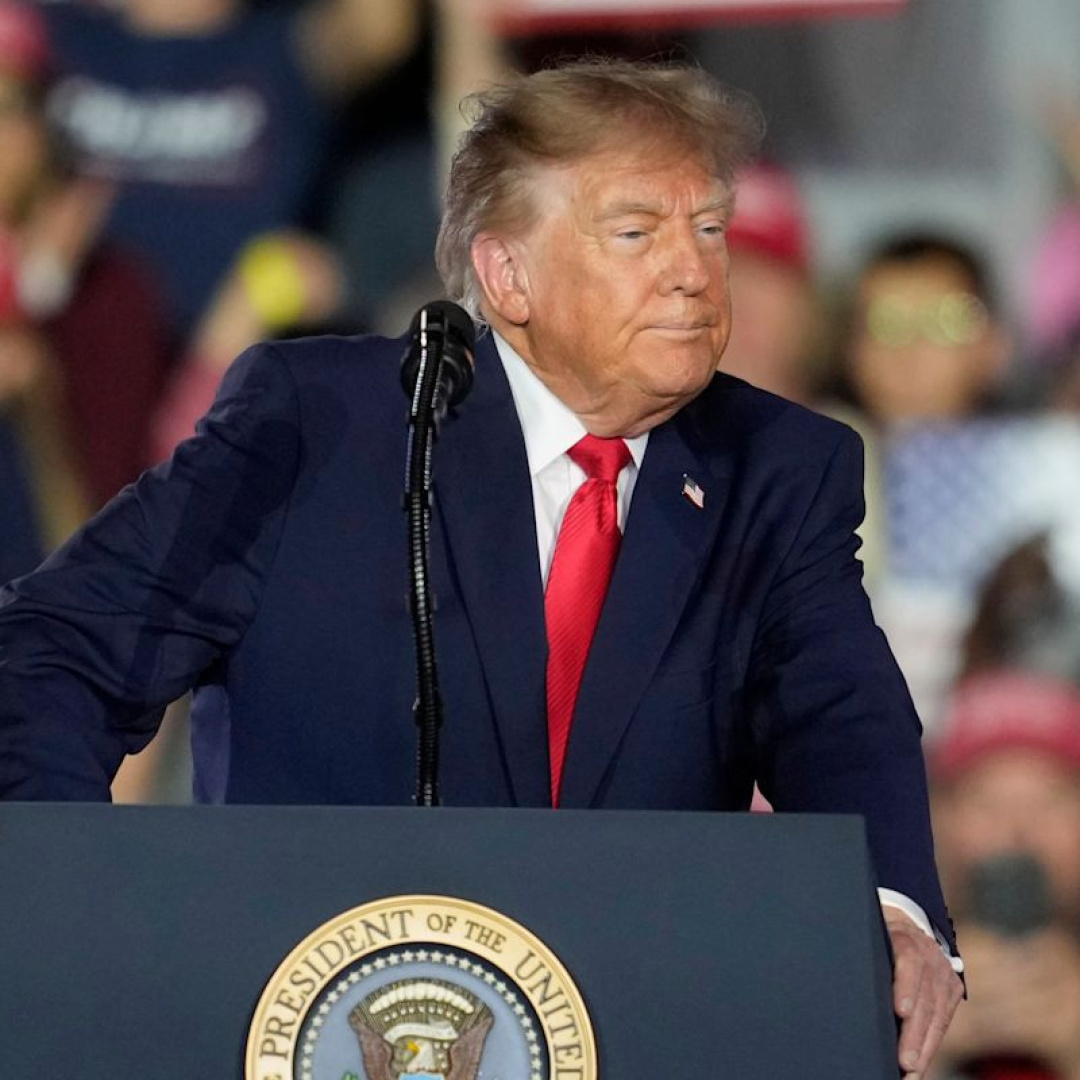
Despite the setbacks, Republicans have not entirely abandoned Georgia and North Carolina, where President Donald Trump narrowly won in 2024. However, the party is reallocating resources to defend reliably Republican states, with significant investments in Texas, where the GOP is backing Attorney General Ken Paxton against Democratic challenger James Talarico. Trump is also set to campaign for Republican incumbent Senator Jon Husted in Ohio, as the party grapples with the reality of a challenging electoral landscape.
Common Sense Shop
The United States of Common Sense
Amazon shopping links. Sponsor Complete!
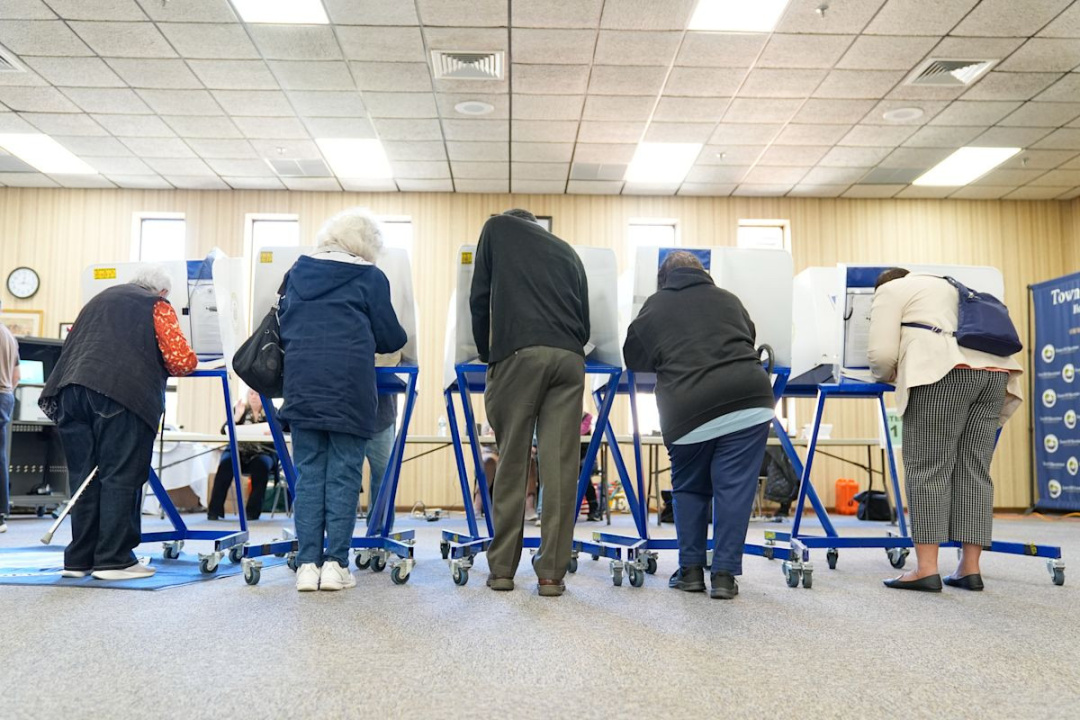
Internal frustrations are growing among some Republicans, who believe Trump has squandered opportunities to solidify GOP positions this election cycle. Complaints have emerged regarding the administration's handling of key issues, such as the ongoing war in Iran and rising fuel prices, which are dampening voter enthusiasm. North Carolina Republican strategist Paul Shoemaker highlighted a turnout problem linked to economic concerns, stating, "There is a Republican turnout problem due to the administration's failure to address the economic concerns of voters."
In Georgia, businessman Mike Collins is facing an uphill battle against first-term Democratic Senator Jon Ossoff, who has significantly outpaced him in fundraising efforts. Ossoff has reportedly spent $57 million on advertising, with an additional $13 million reserved for the remainder of the campaign. In contrast, Collins' campaign has struggled to broaden its appeal beyond the Republican base, raising doubts among local party leaders about his chances of defeating an incumbent.
Senate Majority Leader John Thune's recent campaign efforts in Georgia have not quelled local pessimism. Tim Waters, chair of the Peach County Republican Party, expressed skepticism about Collins' prospects, stating, "He just doesn’t have what it takes to beat Ossoff. It’s hard enough trying to beat an incumbent, and you have the president of the same party in a tough midterm, right? I don’t think he’s got much of a shot."
GOP Adjusts Focus on Key Senate Races
As the GOP recalibrates its strategy, retiring North Carolina Senator Thom Tillis has acknowledged the need to reassess spending on the party's candidate, Michael Whatley, against former two-term Democratic Governor Roy Cooper. While Tillis did not declare Whatley's chances as hopeless, he emphasized the importance of focusing resources on candidates who are either leading or within striking distance. The Senate Leadership Fund has already committed substantial advertising dollars in North Carolina, spending $30.4 million to date.
In Texas, the Senate Leadership Fund is investing heavily to support Paxton, who faces ongoing legal and ethical questions. Despite these challenges, GOP leaders believe that maintaining control in Texas is crucial, given that Democrats have not won a Senate seat there since 1988. As the election approaches, the GOP must navigate a complex landscape where economic issues and voter sentiment play pivotal roles in determining outcomes.
The Common Sense Test
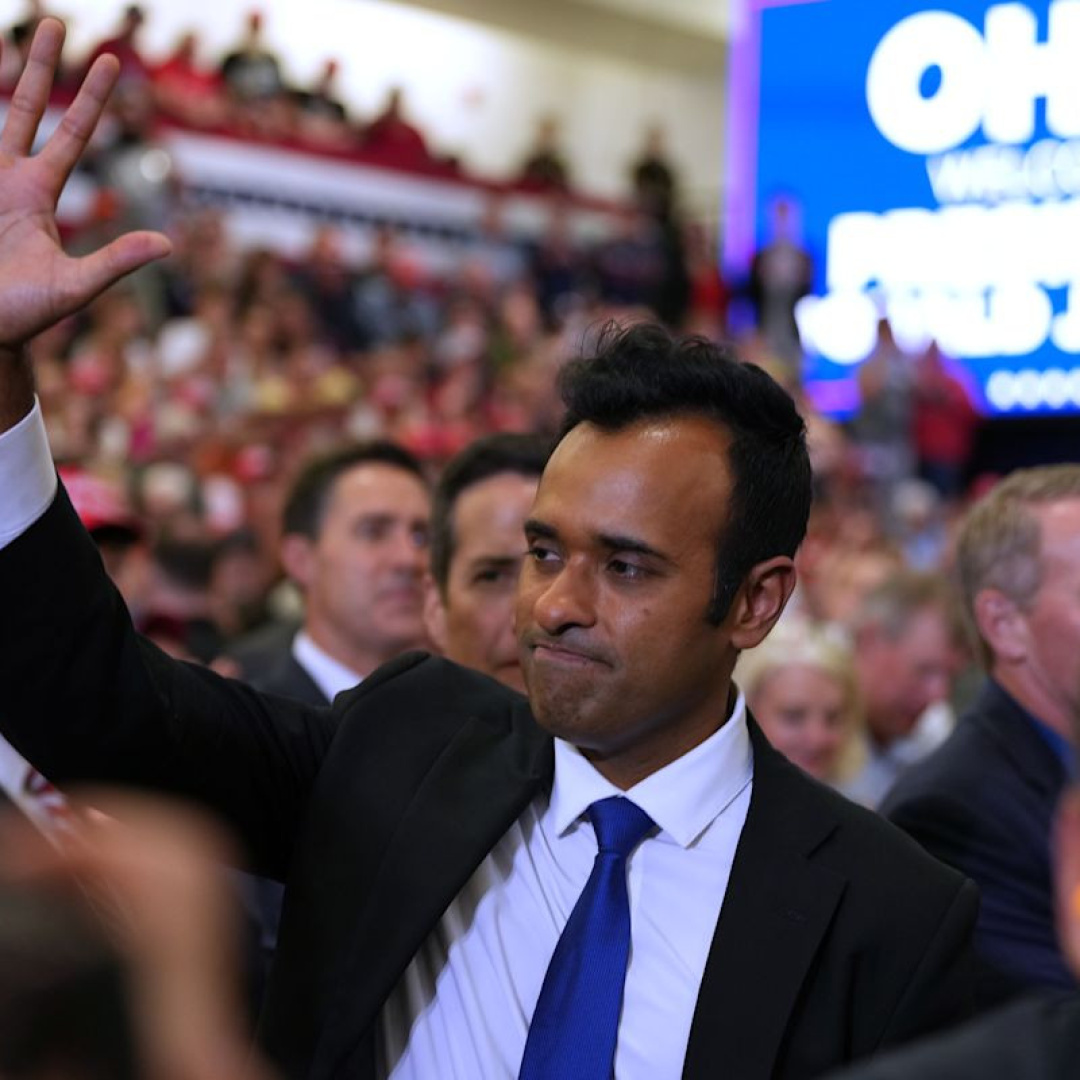
Trump's campaign efforts are also aimed at bolstering support for Husted in Ohio, where he faces a competitive challenge from Democratic former Senator Sherrod Brown. As the GOP grapples with rising gas prices attributed to the war in Iran, candidates like Iowa's Ashley Hinson are voicing concerns about the impact of economic pressures on voters. South Dakota Senator Mike Rounds has urged the party to remain focused on addressing high fuel prices as a critical issue in the upcoming elections.
The shifting dynamics in Georgia and North Carolina highlight the challenges the GOP faces as it seeks to maintain its Senate majority. With Democrats needing to flip several Republican-held seats to regain control, the stakes are high as both parties prepare for a fiercely contested midterm election season.