U.S. Officials Deny Arms Sale to China After Ambassador's Comments
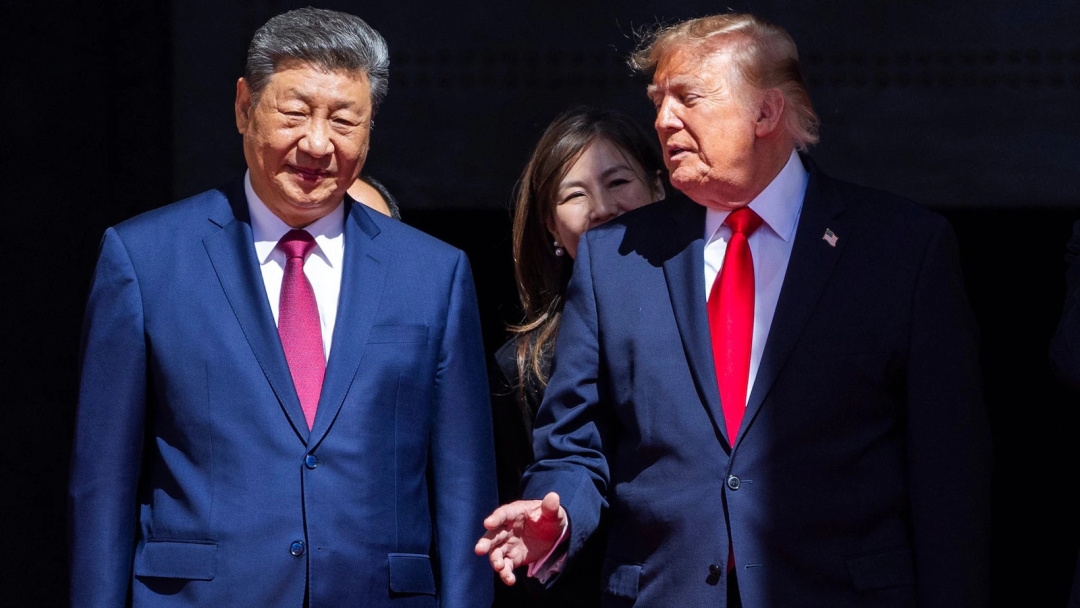
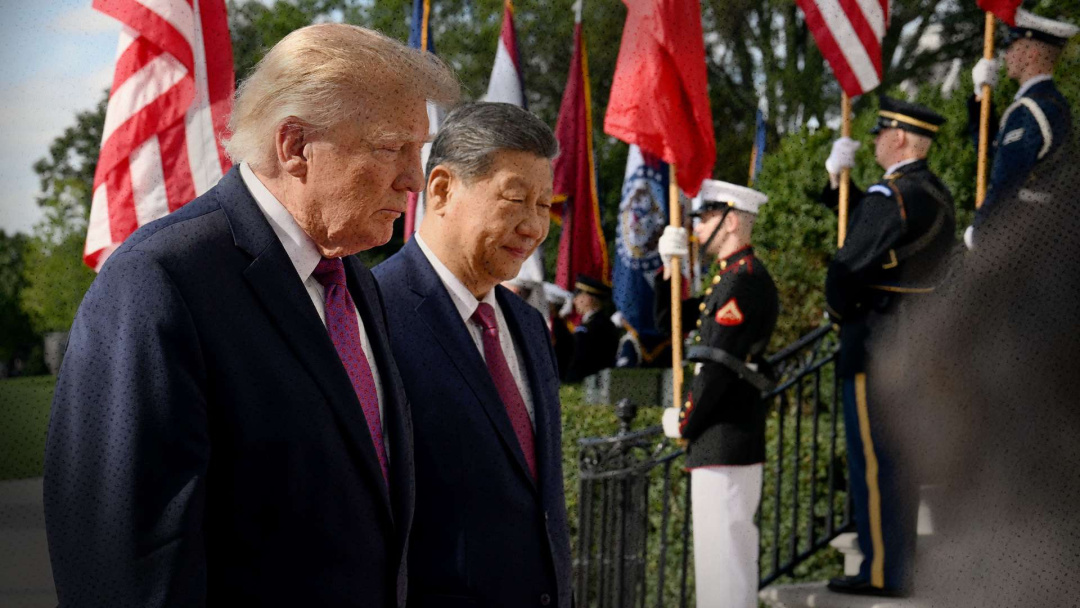
In a recent televised interview, U.S. Ambassador to China David Perdue claimed that President Donald Trump had offered to sell arms to China during a summit with President Xi Jinping. Perdue stated, "President Trump continues to say, 'Hey, we sell arms to other people around the world.' He actually asked President Xi would he like to buy some at one point." However, this assertion has been met with swift denial from Trump administration officials, who stated unequivocally that the United States has no plans to sell weapons to China.
A U.S. official reiterated this stance, telling ABC News, "The U.S. government has no plans to sell weapons to China." The State Department further emphasized this point, noting that U.S. law explicitly prohibits arms sales to China and confirming that there is no offer or plan in place for such a sale. This clarification comes amid rising tensions between the U.S. and China, particularly regarding military competition and economic sanctions.
Common Sense Shop
The United States of Common Sense
Amazon shopping links. Sponsor Complete!
During a press briefing in the Oval Office, Trump seemed to downplay Perdue's comments, stating, "I didn't discuss it" with Xi, and suggested that Perdue may have been referring to Taiwan instead. Trump remarked, "I never heard of that one. I'm going to have to ask him. You mean we're going to sell? Now they'd probably like to buy it because we do make better equipment than them. So maybe it's a good idea. Yeah, but, we didn't discuss it." This statement reflects the complex dynamics of U.S.-China relations, where Taiwan remains a contentious issue.
The idea of selling arms to China is particularly controversial, given that China is viewed as a primary strategic competitor to the United States and is designated as a foreign adversary. The U.S. has imposed extensive economic sanctions on China, including restrictions on investments and contracts tied to the Chinese military. Furthermore, the two nations are currently in a race to develop advanced artificial intelligence technologies, and their conflicting views on Taiwanese sovereignty only heighten the stakes.
China's Growing Ties with U.S. Adversaries
In recent weeks, China has faced scrutiny for allegedly providing satellite imagery to Iran, another U.S. adversary, complicating the geopolitical landscape further. Perdue indicated that Xi had assured Trump during their meeting that China was investigating these allegations regarding support for Iran. Despite this, the Trump administration has been criticized for not taking stronger action against China in light of these developments.
The Common Sense Test
As discussions about military sales and international relations continue, the Trump administration is also navigating the proposed $14 billion arms sale to Taiwan, which China claims as its territory. Taiwan's reliance on U.S. military support is critical as it seeks to counteract China's aggressive military maneuvers in the region. Perdue affirmed that the administration remains committed to supporting Taiwan, stating, "President Trump is as strong on Taiwan as I've ever seen anybody. He's made it very clear that we have not changed the One China policy." He also noted that Trump has sold 50% more arms to Taiwan than any other president since 1979.
The implications of these discussions are significant as they reflect the broader challenges in U.S.-China relations and the ongoing debates about military support for Taiwan. The U.S. must balance its strategic interests while adhering to legal frameworks that govern arms sales, all while navigating the complexities of international diplomacy and national security.