Professor Wins First Amendment Case Against University Censorship
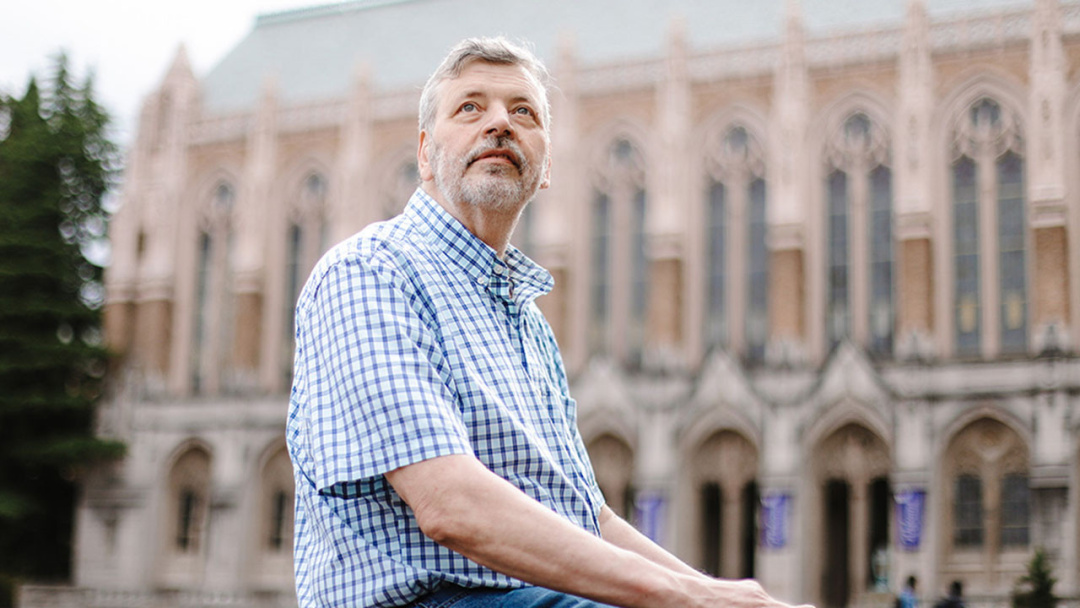
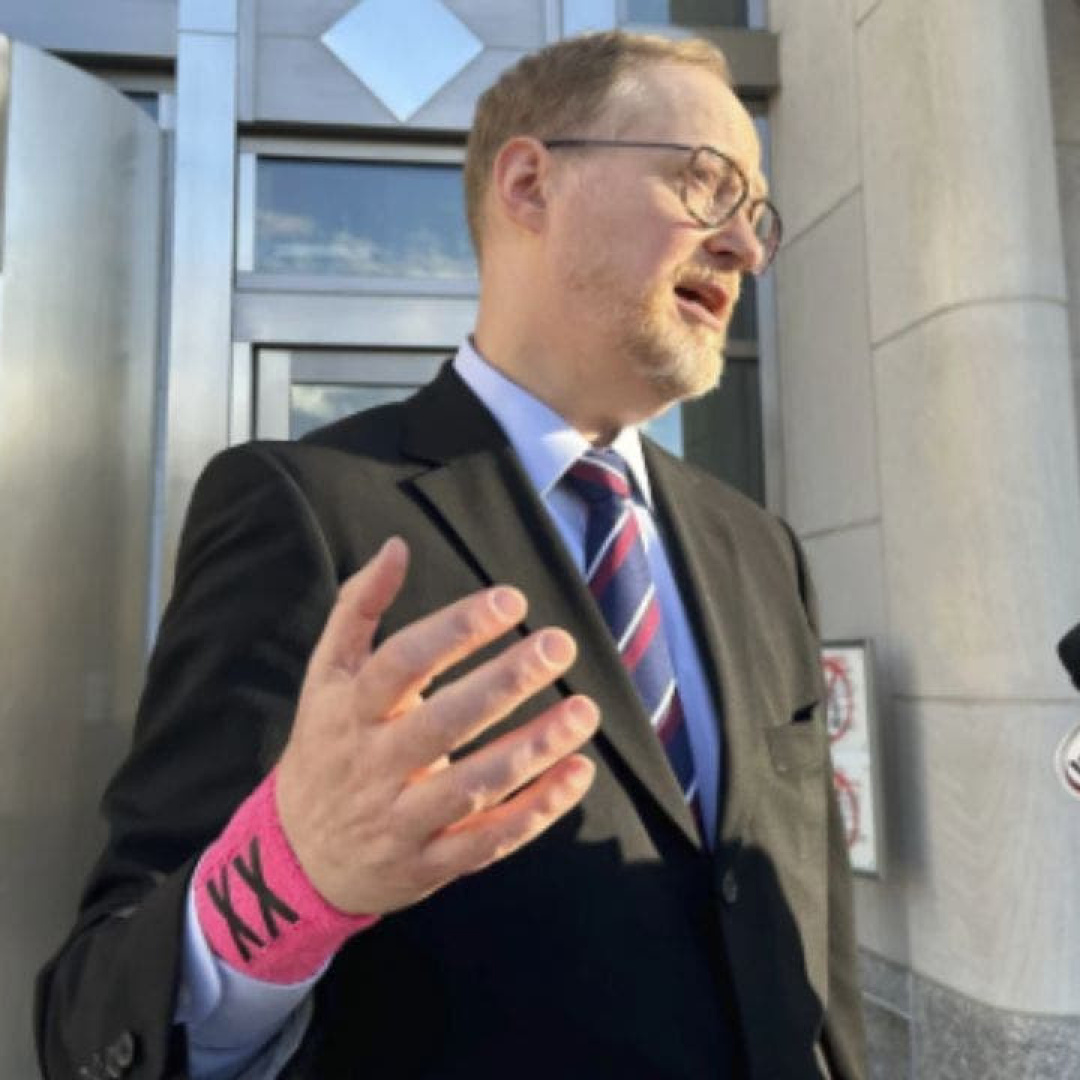
Stuart Reges, a computer science professor at the University of Washington, recently won a First Amendment lawsuit against his university after it censored his mock land acknowledgment. The U.S. Court of Appeals for the 9th Circuit ruled in favor of Reges, leading to a settlement where the university agreed to pay $600,000 without admitting any wrongdoing. This case highlights ongoing tensions regarding free speech and academic freedom in higher education.
In an interview with the Daily Signal, Reges expressed concern about the entrenched campus culture that prompted the controversy. "It’s kind of scary. They broke the law. The U.S. Court of Appeals for the 9th Circuit said you broke the law, and they’re saying, ‘Well, we think we behaved appropriately,’" he remarked. Reges had initially included a statement in his syllabus that challenged the notion of land acknowledgments, which he views as performative and lacking substance. His statement read, "I acknowledge that by the labor theory of property the Coast Salish people can claim historical ownership of almost none of the land currently occupied by the University of Washington."
Common Sense Shop
The United States of Common Sense
Amazon shopping links. Sponsor Complete!
The university had previously recommended that instructors include an indigenous land acknowledgment in their syllabi, but Reges’s version sparked outrage among some students and faculty. Following complaints, the university removed his statement from the syllabus and issued an apology to students, even creating an alternate course section for those who felt offended. Reges argues that these actions constituted adverse employment actions and a violation of his First Amendment rights.
Reges criticized the university's response, stating, "You can either forbid them all, you can allow them all, but what you can’t do is to allow the progressive ones and then deny the conservative one—that’s viewpoint discrimination." He also noted that the university's actions reflect a broader intellectual problem on campuses, where dissenting views, even from within liberal circles, are often silenced.
University's Stance on Settlement Explained
The university's spokesman, Victor Balta, emphasized that the settlement did not imply any admission of wrongdoing. He stated, "We effectively agree to disagree and determined that the most reasonable option was to settle rather than incur additional legal fees as we moved toward a damages trial on remand or leave it to the court to decide the final terms."
Reges's case has drawn attention not only for its implications for free speech but also for the chilling effect it may have on academic discourse. He expressed concern about the future of academia, warning that the most radical and progressive elements among young faculty will shape the institution in the years to come. This ongoing struggle over free expression in educational settings raises important questions about the balance between maintaining a safe learning environment and upholding the principles of free speech.
The Common Sense Test
As the landscape of higher education continues to evolve, the case of Reges serves as a critical reminder of the importance of protecting free speech. It underscores the need for universities to foster an environment where diverse viewpoints can be expressed without fear of retribution. Reges’s victory is not just a personal triumph; it is a significant moment in the ongoing battle for academic freedom and the First Amendment rights of educators and students alike. The implications of this case will likely reverberate through universities across the nation, prompting a reevaluation of policies that may inadvertently stifle free expression.
In a time when political correctness often overshadows open dialogue, Reges's experience highlights the necessity of upholding free speech principles in educational institutions. The settlement, while a victory for Reges, raises broader concerns about the future of academic discourse and the potential for censorship to undermine the very foundations of education. As universities grapple with these challenges, the commitment to free expression must remain steadfast, ensuring that all voices can be heard and respected in the pursuit of knowledge and truth.