Federal Judge Halts UC's Misgendering Policy Amid Free Speech Concerns
The University of California's policy, which deemed the use of pronouns or names that align with a person's sex assigned at birth as potential sexual harassment, has faced a significant legal challenge. A federal judge has recently issued a preliminary injunction to halt the enforcement of this controversial misgendering policy, which was implemented as part of the university's broader training program aimed at addressing sexual violence and harassment.
The SHAPE (Sexual Violence and Harassment, Anti-Discrimination, Prevention and Education) training program, launched in June 2025, mandates that all students within the UC system complete annual training on these sensitive topics. Failure to comply could result in academic holds on students' records. The training materials have drawn scrutiny for their implications, suggesting that a hostile environment could arise from the incorrect use of pronouns or names, with specific examples indicating that using a name from before a gender transition might be considered harassment.
Common Sense Shop
The United States of Common Sense
Amazon shopping links. Sponsor Complete!
In June, Defending Education, a national education advocacy organization, filed a lawsuit against the University of California, asserting that the misgendering policy violates students' First Amendment rights. The organization contends that labeling the use of biologically accurate pronouns as harassment constitutes a form of compelled speech, which is unconstitutional in public universities. U.S. District Judge Fred Slaughter, in granting the injunction, indicated that Defending Education is likely to succeed in its challenge against the policy.
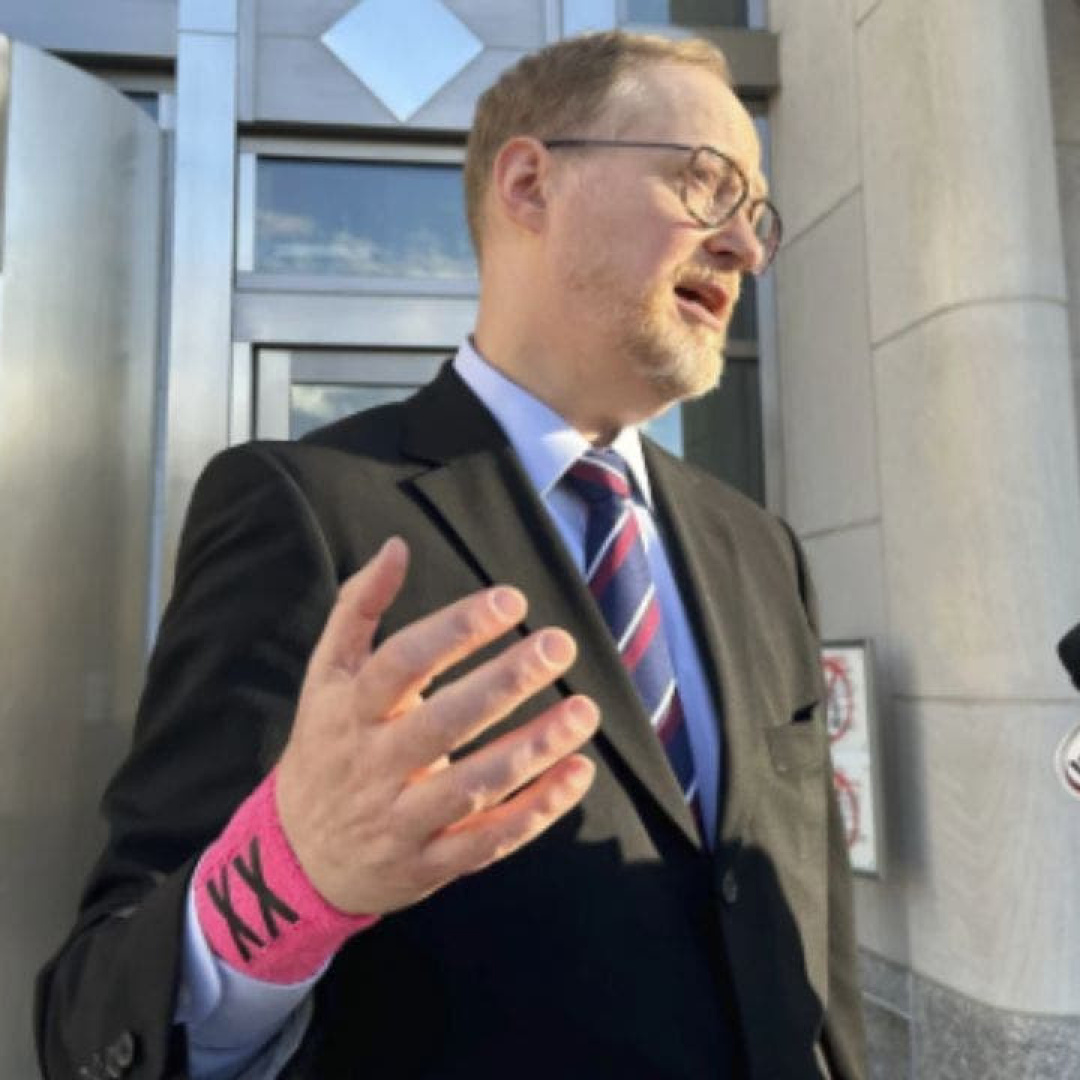
The ruling is significant not only for the students involved but also for the broader discourse on free speech in educational institutions. Nicole Neily, president of Defending Education, hailed the decision as a victory for free expression, emphasizing that public universities should not compel students to conform to specific speech standards. Neily stated, "It is unconstitutional for public universities to compel student speech," reinforcing the organization's commitment to defending this principle across the nation.
University's Defense of Misgendering Policy
In response to the ruling, the University of California defended its policy, asserting that it is designed to combat discrimination and harassment rather than regulate protected speech. Stett Holbrook, the associate director of strategic and critical communications at the university, stated that the institution takes all reports of harassment seriously and applies the same legal standards to gender identity-related reports as it does to all harassment allegations.
The Common Sense Test
As the case progresses toward a final ruling on the constitutionality of the policy, the implications for free speech and individual rights in educational settings remain at the forefront of public discussion. This case highlights a critical tension between institutional policies aimed at promoting inclusivity and the fundamental rights of individuals to express themselves freely.
The outcome of this legal battle will likely set a precedent for how universities across the country handle similar policies. It raises essential questions about the balance between protecting individuals from harassment and preserving the rights of free speech. As the legal proceedings continue, stakeholders from all sides will be watching closely to see how this pivotal case unfolds and what it means for the future of free expression in academia.