Dan Dakich Calls Out Nick Saban's Hypocrisy on College Football Comments
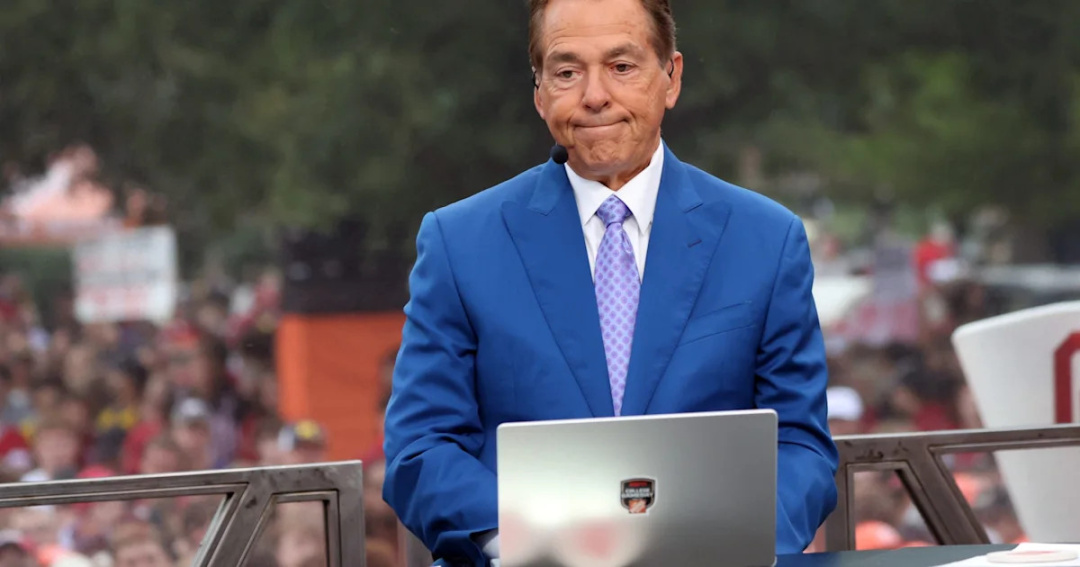
The Senate has officially passed the Protect College Sports Act, with former University of Alabama head coach Nick Saban emerging as a prominent advocate for the legislation. Saban has frequently shared his views on ESPN's College GameDay, emphasizing the need for reforms in college football. However, his recent comments regarding star quarterback Kamario Taylor have sparked controversy and criticism from sports analyst Dan Dakich.
During a recent episode of College GameDay, Saban suggested that if he were coaching today, he would encourage Kamario Taylor to enter the transfer portal. This statement stands in stark contrast to his previous advocacy for legislative measures aimed at stabilizing college sports. Dakich took to his YouTube show, "Don’t @ Me!", to voice his discontent with Saban's remarks, labeling them as hypocritical.
Common Sense Shop
The United States of Common Sense
Amazon shopping links. Sponsor Complete!
"Yeah, I’ve had enough of Nick Saban," Dakich stated. He accused Saban of using his platform to distract from his coaching history, which Dakich believes is filled with questionable ethics. "His hypocrisy is on display all the time," Dakich added, pointing out the contradictions between Saban's public support for the Protect College Sports Act and his comments that seem to undermine the very stability he claims to advocate for.
Dakich elaborated on Saban's duality, noting that while Saban promotes the idea that college football is in disarray and requires legislative intervention, he simultaneously encourages players to seek transfers, which contributes to the chaos he publicly condemns. "Saban is out there selling Congress and the public on the idea that college football is broken and needs to be fixed," Dakich remarked.
Saban's Agenda Under Scrutiny
The Protect College Sports Act aims to bring order to the transfer portal and address issues related to name, image, and likeness (NIL) deals, which Saban has argued are detrimental to the sport. Yet, his recent comments suggest a different agenda, leading Dakich to question Saban's sincerity and integrity.
Dakich did not hold back in his criticism, referring to Saban as a "cheat" and expressing disdain for his actions. "I don’t give a damn what any of you say about his championships; he’s a cheat, and I despise cheats," Dakich asserted, underscoring the tension between Saban's celebrated status in college football and the ethical implications of his coaching decisions.
The Common Sense Test
As the debate over the future of college football continues, Saban's role as both a coach and a public advocate raises important questions about accountability and integrity in sports leadership. The Protect College Sports Act represents a significant step towards reform, but the contradictions in Saban's messaging highlight the complexities of navigating change in a landscape that is rapidly evolving.
Ultimately, the situation calls for a critical examination of the motivations behind public figures in college sports. As Saban champions legislative change, it remains essential for stakeholders to scrutinize the actions and statements of those in power, ensuring that they align with the principles they espouse. The ongoing dialogue surrounding college athletics will benefit from transparency and accountability, especially as the influence of powerful coaches like Saban continues to shape the future of the sport.