U.S. Troop Withdrawal from Iraq Raises Regional Security Concerns
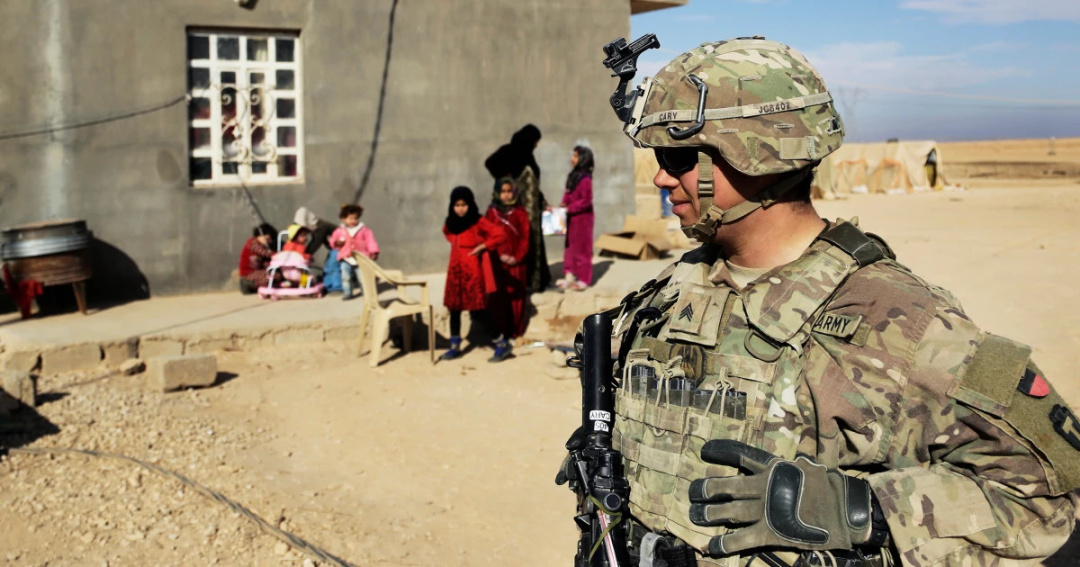
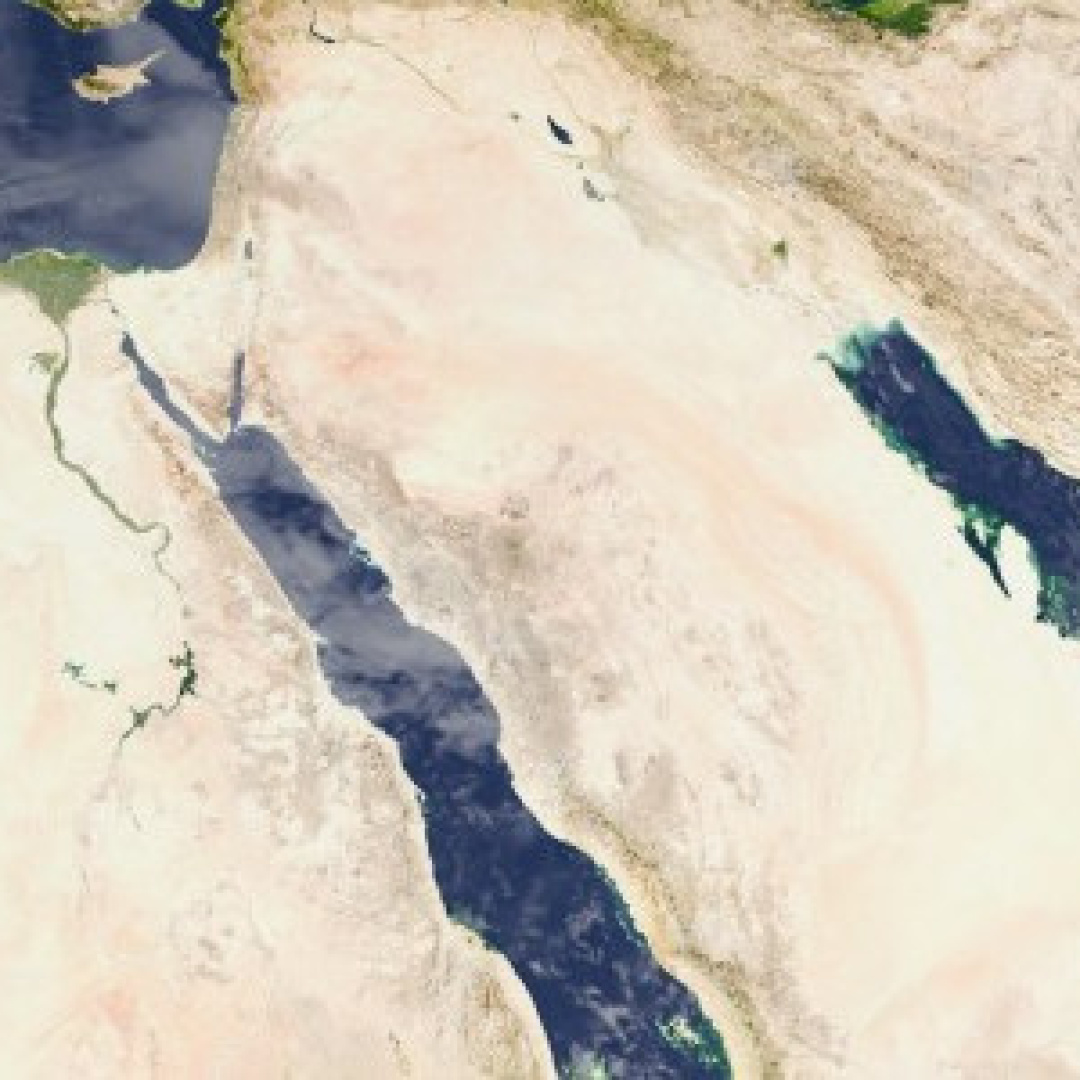
The last American troops assigned to combat ISIS in Iraq departed on Wednesday, concluding a mission that dismantled the extremists’ self-declared caliphate. However, this withdrawal has sparked fears about the security vacuum it may create as tensions with Iran continue to escalate. The Iraqi government has welcomed the end of Operation Inherent Resolve, yet Kurdish officials in northern Iraq are expressing serious concerns about the implications of this decision, especially following recent Iranian missile strikes against their territory.
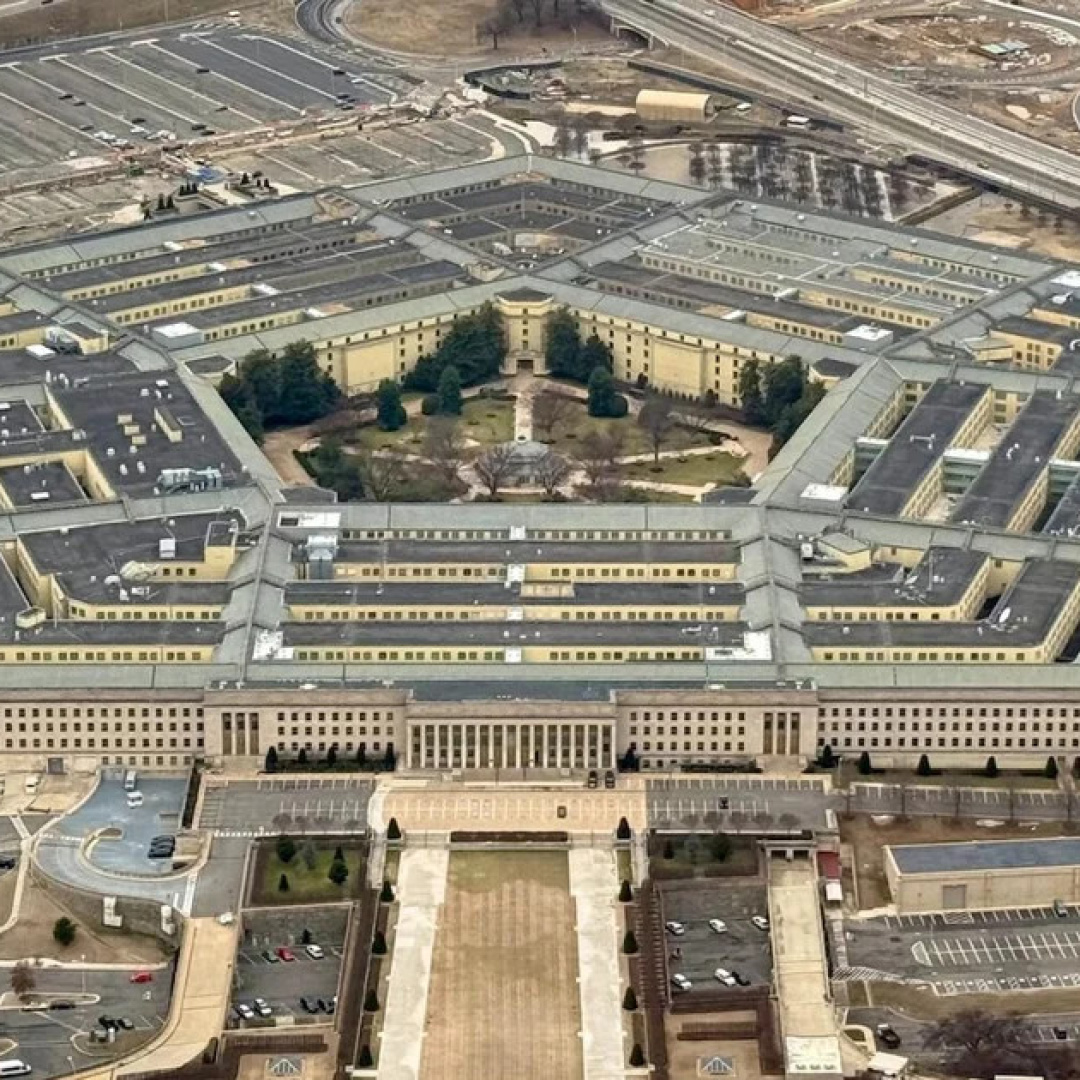
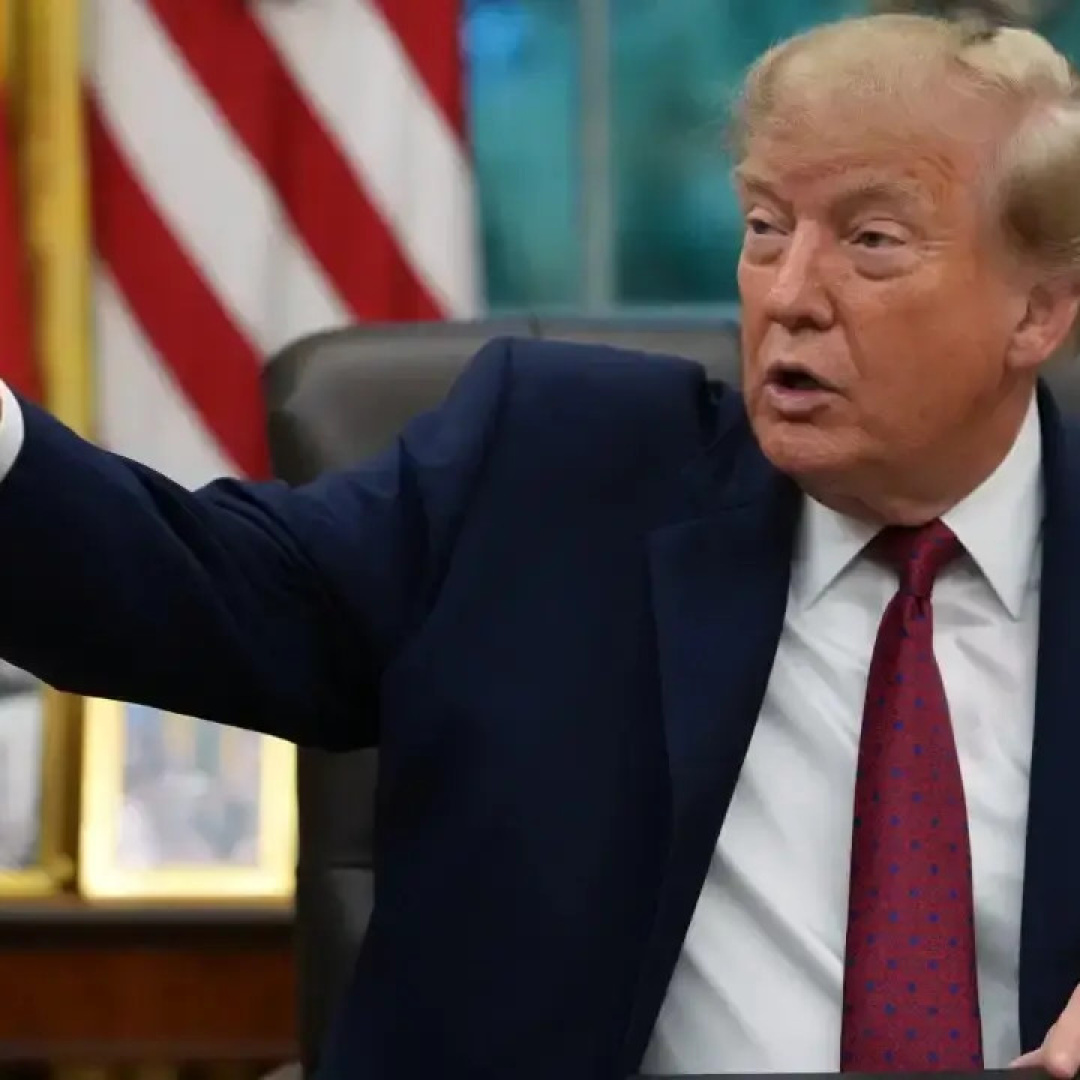
In a statement, President Donald Trump characterized the withdrawal as a victory for the United States, emphasizing that the mission was successful in defeating ISIS, which no longer poses the same organized threat. Pentagon spokesman Sean Parnell echoed this sentiment, describing the withdrawal as the successful conclusion of a 12-year campaign that has significantly weakened ISIS as a military force in the region.
Common Sense Shop
The United States of Common Sense
Amazon shopping links. Sponsor Complete!
Despite the official narrative of success, the reality on the ground remains complex. A United Nations report from August indicated that ISIS still maintains a presence in Iraq, with hundreds of fighters organized into several provincial units. This limited presence reportedly generates around $500,000 annually through extortion, although the group lacks the capacity for large-scale attacks. The Pentagon has stated that Iraqi and Kurdish forces will now take the lead in securing the country and combating any remaining ISIS elements, with the U.S. continuing to provide targeted training and intelligence support.
Iraqi Prime Minister Ali al-Zaidi hailed the withdrawal as the beginning of a new phase for Iraq, one that emphasizes its sovereignty and the strength of its institutions. However, Kurdish officials, particularly from the Peshmerga Affairs Ministry, have voiced alarm at the timing of the U.S. exit, especially given the recent barrage of ballistic missiles fired by Iran at Kurdish territories, which have resulted in civilian casualties and damage.
Kurdish Leaders Voice Security Fears
The decision to withdraw was made under President Joe Biden’s administration, well before the recent escalation of conflict in the region. The Peshmerga Ministry noted that since February, Iran has launched over 1,000 missiles at Kurdish areas, raising significant security concerns. While expressing gratitude for U.S. support, Kurdish leaders fear that the lack of American air defense will leave them vulnerable to further Iranian aggression.
The Common Sense Test
The backdrop of this withdrawal is the long history of U.S. military involvement in Iraq, which began with the 2003 invasion that toppled Saddam Hussein. The U.S. returned to Iraq in 2014 to combat ISIS, with troop levels peaking at nearly 9,000 in 2017. Following the withdrawal, a smaller contingent of U.S. forces will remain in Iraq to protect American diplomats, but the broader implications of this military exit are already being felt.
Iran-backed militant groups have celebrated the U.S. withdrawal, framing it as a historic victory against American influence in the region. This sentiment underscores the precarious situation that Iraq finds itself in, as it navigates the challenges posed by both ISIS remnants and the aggressive posture of Iran. As the U.S. steps back, the question remains: who will fill the power vacuum, and what will that mean for the stability of Iraq and its neighbors?