Chalmers Reveals $6 Billion Reduction in Federal Budget Deficit
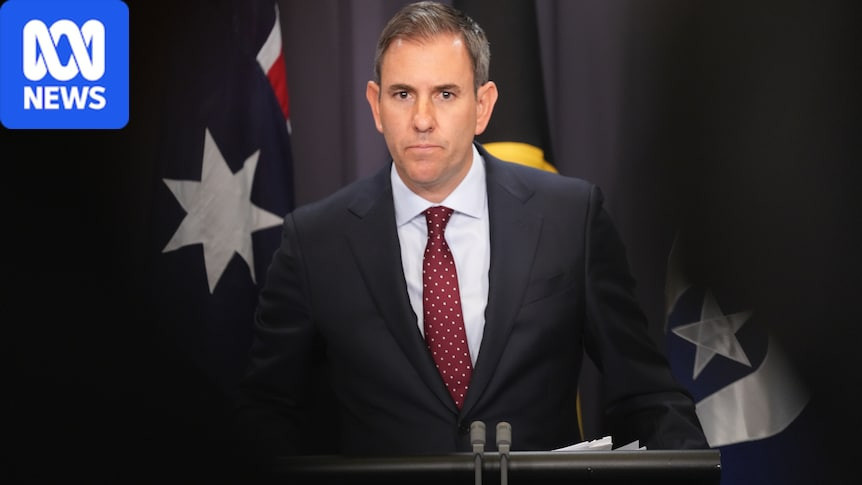
Treasurer Jim Chalmers has unveiled a $6 billion improvement to the federal government's forecast deficit, a development that could have substantial implications for the nation's fiscal health. This reduction is attributed primarily to a decrease in payments amounting to $1.4 billion and an increase in receipts of $4.6 billion. Chalmers emphasized that the improvement is not due to higher commodity prices or increased tax contributions from mining profits, which fell short of expectations. Instead, he pointed to higher superannuation and investor income as key factors in the revised figures.
The announcement arrives at a critical time, as inflation continues to pose challenges for the Australian economy. With the Reserve Bank of Australia (RBA) expected to raise the cash rate to a 15-year high of 4.6 percent, many Australians are apprehensive about how these changes will affect their cost of living. Chalmers acknowledged the pressures on households and stated that the government is committed to managing the budget responsibly while providing necessary support to those in need.
Common Sense Shop
The United States of Common Sense
Amazon shopping links. Sponsor Complete!
Opposition Leader Angus Taylor criticized the government for attributing rising inflation to external factors, such as the ongoing conflict in the Middle East and fuel prices, rather than addressing domestic spending issues. Taylor argued that if the government had offset its expenditures since taking office, Australia could be in a surplus position rather than facing a deficit. He accused the current administration of consistently seeking scapegoats for its financial mismanagement.
In response to rising costs, Community Strong Australia MP Allegra Spender has called for a more disciplined approach to government spending. She expressed concerns about the potential for further interest rate hikes and urged the government to take a firmer stance on controlling expenditures, particularly in light of the increasing financial burden on families and small businesses.
Defending Government Spending Growth Rates
Chalmers defended the government's spending growth rate, claiming it is lower than the previous Coalition government's rate. He highlighted that the current growth is at 2 percent, compared to the Coalition's 4.1 percent, even when excluding the COVID-19 years. This statement reflects a broader narrative among government officials who are keen to portray fiscal responsibility amid rising economic pressures.
The Common Sense Test
As the RBA prepares for its upcoming board meeting, the focus remains on how the government will navigate these financial challenges. With inflation figures set to be released soon, the government’s ability to manage its budget effectively while addressing the needs of its citizens will be put to the test. The discussions surrounding the budget deficit and government spending are not merely academic; they have real-world implications for Australian families and businesses grappling with rising costs and economic uncertainty.
Ultimately, the question remains: can the government balance its budget while also providing necessary support to those affected by rising costs? The path forward requires not only sound fiscal policies but also a commitment to accountability and transparency in government spending. As the Reserve Bank's decisions loom, the Australian public will be watching closely to see if the government can deliver on its promises without exacerbating the financial strain on households across the nation.