Senate Rejects Bill to Limit Congressional Stock Trading
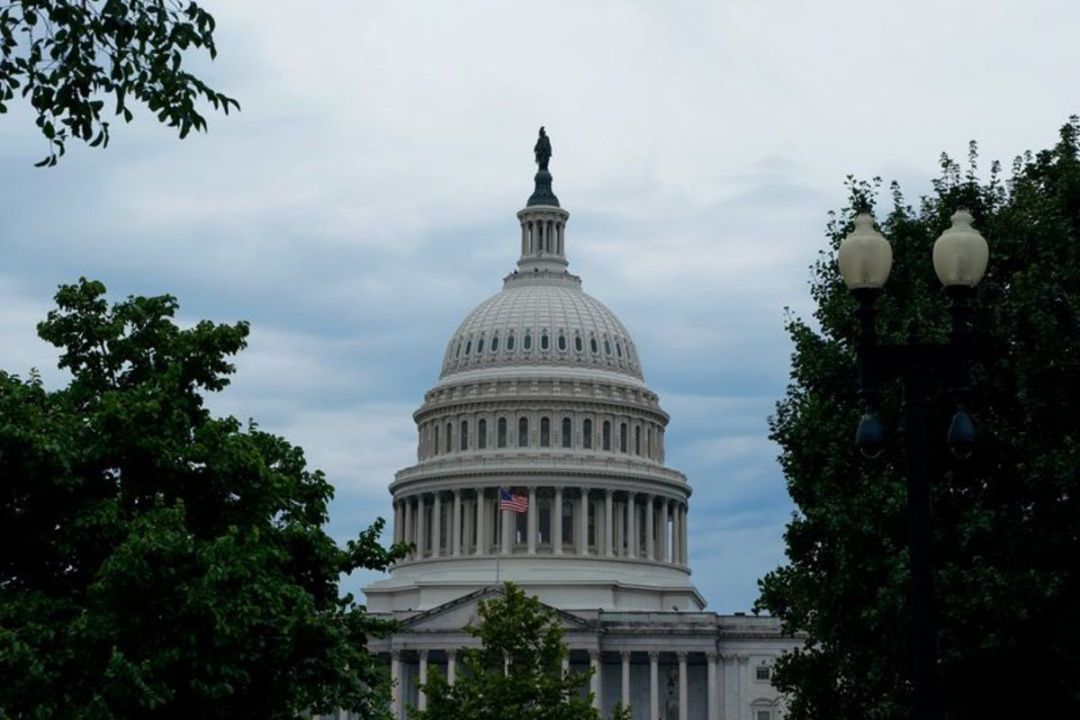
On September 30, the U.S. Senate voted 53-47 to block legislation that would have placed new restrictions on stock trading by members of Congress. The bill, which had previously passed in the House of Representatives in July, required 60 votes to overcome a procedural hurdle in the Senate. The failure of this legislation has implications for the upcoming midterm elections, as Republicans seek to leverage public outrage over perceived conflicts of interest among lawmakers.
Democrats opposed the bill, arguing that it did not go far enough to ban stock trading outright. The proposed "Stop Insider Trading Act" aimed to prohibit members of Congress, along with their spouses and dependent children, from buying stocks of publicly traded companies. However, many Democrats expressed concerns that the bill would allow lawmakers to retain existing stock holdings and continue to benefit from dividends, undermining the intent of the legislation.
Common Sense Shop
The United States of Common Sense
Amazon shopping links. Sponsor Complete!
Senate Majority Leader John Thune emphasized the importance of the bill, stating it addressed issues that resonate deeply with the American public. The ongoing debate over stock trading by Congress members highlights a broader concern regarding transparency and accountability in government. Voters have long expressed frustration over the frequency of stock trades by lawmakers, particularly when these trades occur in conjunction with legislative actions that could influence stock prices.
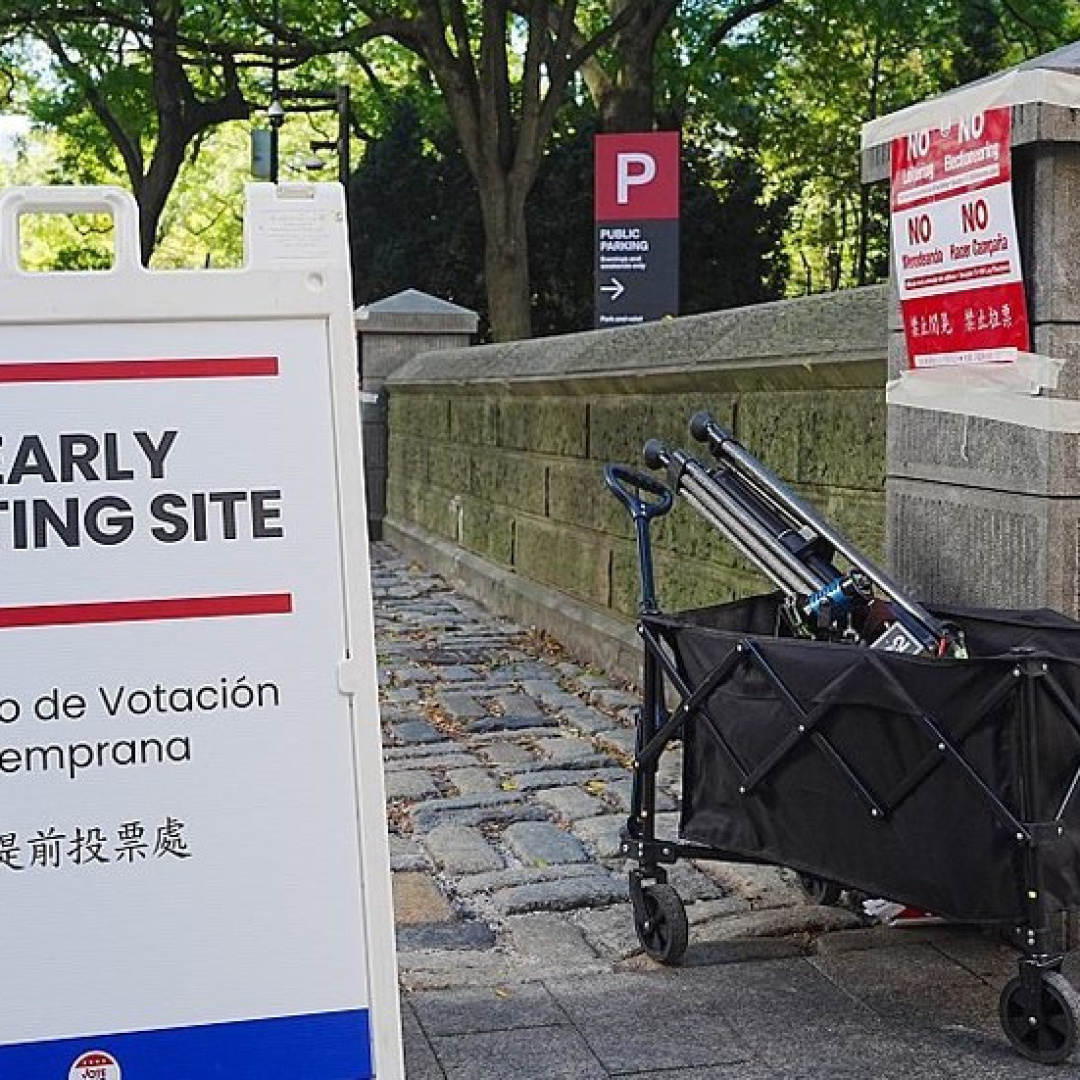
The legislation also included a provision to tighten photo ID requirements for voting, which Democrats labeled a "poison pill" designed to suppress voter turnout. This aspect of the bill further complicated bipartisan support and contributed to its failure in the Senate.
Republicans Seek Political Advantage Ahead of Elections
As the midterm elections approach, Republicans are looking for ways to capitalize on public dissatisfaction with high energy prices and rising living costs, exacerbated by the ongoing geopolitical tensions. The Senate's rejection of the stock trading bill may provide Republicans with a new avenue to challenge Democrats, framing them as out of touch with the concerns of ordinary Americans.
While many Democrats have voiced support for a complete ban on stock trading by Congress members, the party's leadership remains divided on how to approach the issue. Some have suggested extending such restrictions to the executive branch and the Supreme Court, indicating a growing consensus that lawmakers should not profit from their positions of power.
The Common Sense Test
In a December report by Common Cause, it was revealed that members of Congress executed over 13,000 trades totaling more than $635 million in the previous year. This statistic underscores the need for comprehensive reform in how Congress handles stock trading and raises questions about potential conflicts of interest.
As the political landscape evolves in the lead-up to the November elections, the debate surrounding stock trading by Congress members will likely continue to be a focal point for both parties. The outcome of this discussion could have significant implications for future legislative efforts aimed at enhancing government accountability and restoring public trust in elected officials.