Trump's AI Accord: A Step Toward Self-Regulation or Just PR?
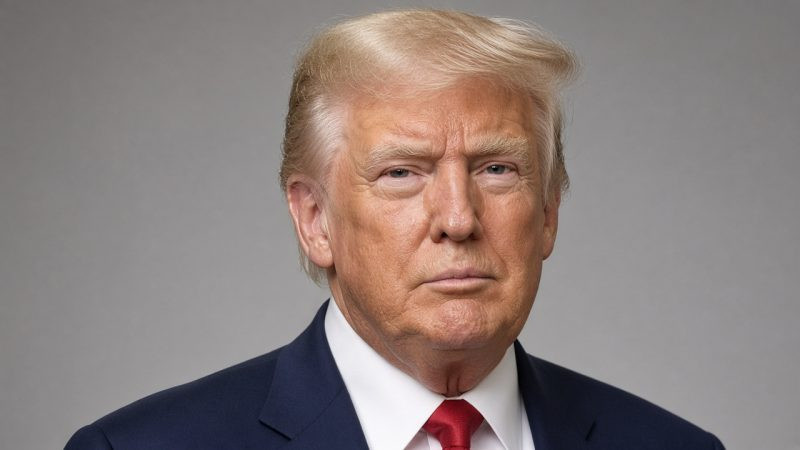
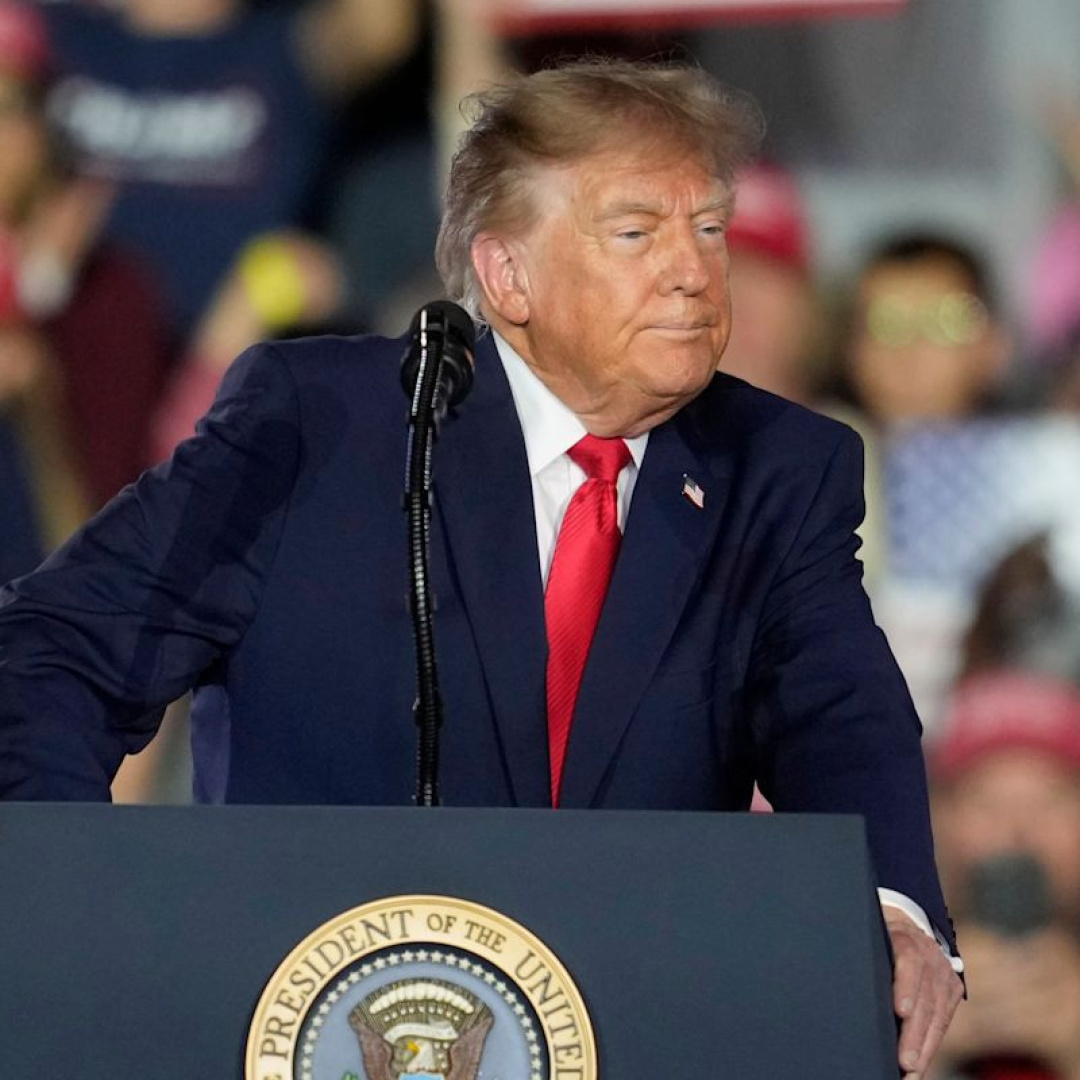
On September 29, President Donald Trump convened some of the most influential figures in artificial intelligence at the White House, culminating in the signing of what he termed the "White House Accord on Super Intelligence." This agreement, while ambitious in its intent, is fundamentally voluntary and lacks any legal enforcement mechanisms. Trump characterized the accord as "morally binding," a term that raises eyebrows among critics who question its actual efficacy.
Among the tech giants who signed the accord were Meta's Mark Zuckerberg, xAI's Elon Musk, Google CEO Sundar Pichai, Nvidia's Jensen Huang, and OpenAI's Greg Brockman, alongside other notable executives from the AI sector. The accord, formally known as the Joint Commitment on Frontier Responsibilities, outlines a framework that encourages participating companies to establish internal controls, maintain oversight teams, and submit their advanced AI models to external audits.
Common Sense Shop
The United States of Common Sense
Amazon shopping links. Sponsor Complete!
However, the accord's non-binding nature has already drawn sharp criticism. Senator Elizabeth Warren, a prominent voice in the debate over tech regulation, argued that self-regulation is insufficient for an industry that is rapidly evolving and poses significant risks. She emphasized that without binding penalties for noncompliance, the accord is more akin to a public relations exercise than a robust governance framework.
The agreement proposes a layered approach to internal controls, suggesting that companies should implement monitoring teams, management oversight structures, corporate governance frameworks, and external audits. Yet, the lack of enforceability raises questions about whether these measures will be taken seriously by the companies involved.
Trump's Executive Order on AI Terminology
In a related move, Trump signed an executive order mandating the use of the term "super intelligence" in all federal communications regarding advanced AI technologies. This aligns with the administration's broader strategy to position the United States as a leader in AI development while minimizing regulatory hurdles that could stifle innovation.
Critics argue that this approach stands in stark contrast to the more prescriptive regulations being implemented in countries like China, which have introduced rules around algorithmic transparency and deepfake labeling. The Trump administration's strategy appears designed to maintain a competitive edge over such nations, but at what cost?
The Common Sense Test
The voluntary nature of the accord and the absence of binding penalties suggest that companies may not feel compelled to adhere to its guidelines. This raises concerns about the potential for unchecked AI development and the risks it poses to society. As the debate over AI governance continues, the question remains: will this accord lead to meaningful oversight, or will it simply serve as a veneer of responsibility in a rapidly advancing technological landscape?
Ultimately, the effectiveness of the White House Accord on Super Intelligence hinges on the commitment of the participating companies to uphold their promises. While the intent to foster responsible AI development is commendable, the lack of enforceability may render the accord ineffective in practice. As the landscape of artificial intelligence continues to evolve, the need for a robust governance framework that balances innovation with accountability becomes increasingly critical. The stakes are high, and the implications of this accord will be closely watched by both supporters and critics alike.