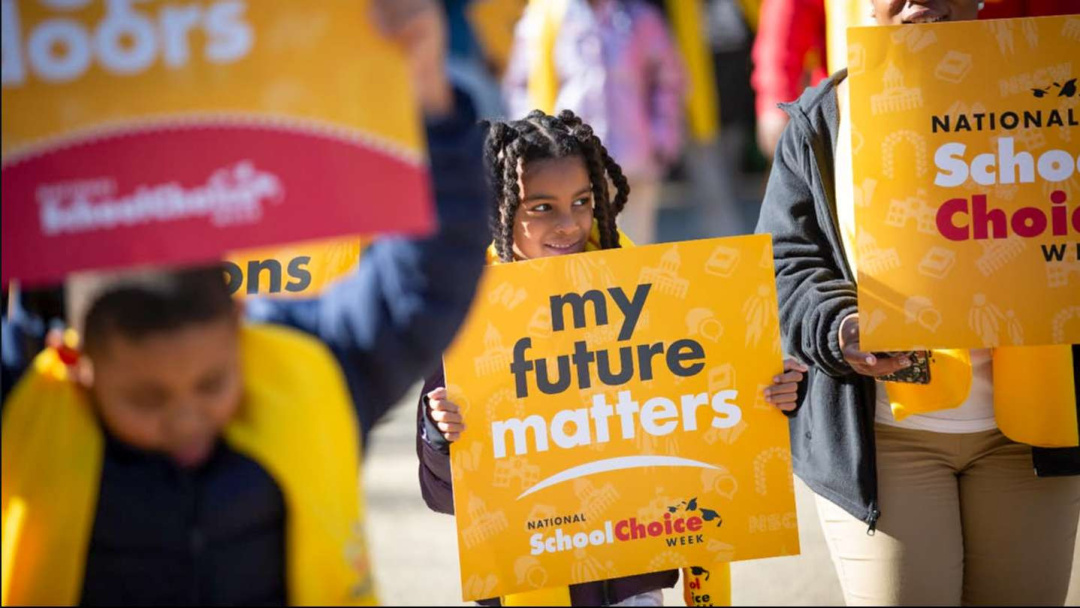
Trump Administration Launches Education Freedom Tax Credit Program

The Trump administration is preparing to roll out its new and controversial federal school choice initiative, the Education Freedom Tax Credit, which officials claim will significantly enhance educational opportunities for millions of families across the nation. Critics, however, are concerned that this program could divert essential funding away from public schools.
On Thursday, officials from the Treasury and Education departments unveiled the rules governing the Education Freedom Tax Credit, a program established under a Republican tax and spending bill passed into law in 2025, which will officially launch on January 1. This program allows families to utilize taxpayer-funded scholarships to choose their preferred K-12 educational options.
Common Sense Shop
The United States of Common Sense
Amazon shopping links. Sponsor Complete!
The program incentivizes individuals and organizations to donate funds they would otherwise owe in taxes to non-profit charities known as Scholarship Granting Organizations (SGOs). These SGOs will then use the donations to provide scholarships for K-12 students, covering tuition, academic services, supplies, and other educational needs. The funds can be applied to a variety of educational settings, including private schools, public school supplies, and homeschooling expenses. Importantly, all expenditures from the SGOs will be reimbursed by the federal government.
The Treasury Department and the Internal Revenue Service estimate that the program will cost approximately $26 billion annually and could fund as many as 2.2 million scholarships each year by 2030. This substantial investment has raised alarms among public school advocates, who fear that the Education Freedom Tax Credit will siphon off government resources from state-funded public schools to benefit private institutions.
As states grapple with the decision to opt into the program, Democratic governors are faced with a choice: participate and potentially secure millions in federal funding or decline and miss out on these resources. They have until January 1 to make their decision. Narric Rome, managing director for government relations at the education nonprofit Accelerate, noted that this initiative represents a significant budgetary shift for K-12 education, the largest in over a decade.
Debate Over Educational Choice and Equity
Supporters of the program argue that it provides a much-needed opportunity for families to choose the best educational paths for their children, free from bureaucratic constraints. Treasury Secretary Scott Bessent emphasized that the administration aims to transform the education system to better meet the diverse needs of students. Meanwhile, Rep. Gwen Moore (D-Wis.) criticized the initiative, arguing that it primarily benefits private schools at the expense of public education, stating, "It's not for public schools."
Despite the criticism, many Republican-led states have already opted into the program, with an estimated 28 million children in participating states becoming eligible for the scholarships starting next year. Education Secretary Linda McMahon expressed her gratitude to President Trump and Treasury partners for ensuring that every child has access to the education they need, unbound by geographic or economic limitations.
The Common Sense Test
Under the proposed rules, approximately 96% of children in participating states would qualify for the scholarship funds. The program establishes a permanent dollar-for-dollar tax credit of up to $1,700 for individual donations and $3,400 for married couples filing jointly, according to the Treasury Department. The income eligibility limit for families is set at three times the median income for their county or metropolitan area, adjusted for family size.
A 60-day comment period will precede the final implementation of the program, with donations commencing on January 1. States will have until February 15 to submit their lists of SGOs, paving the way for a new chapter in the landscape of American education.