Supreme Court to Review Kentucky Case on Religious Liberty and Zoning
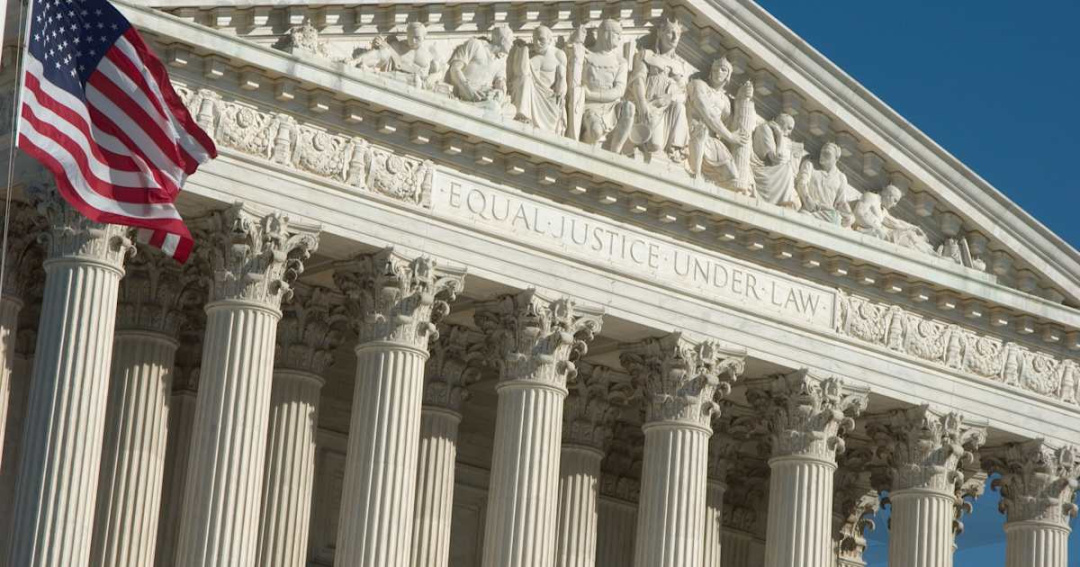
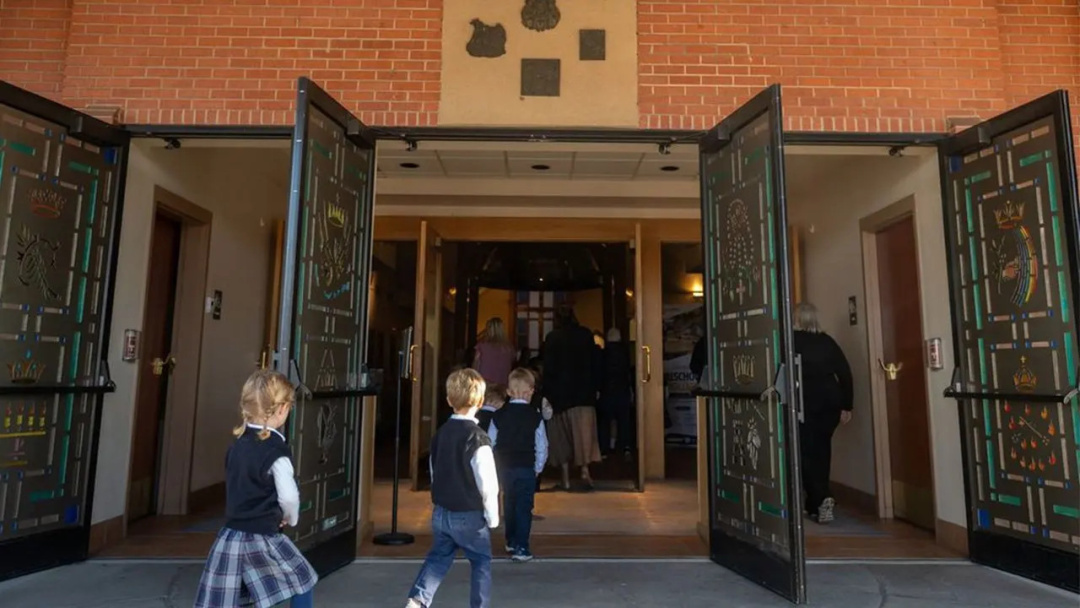
The U.S. Supreme Court has agreed to hear a pivotal case that addresses the intersection of religious liberty and local zoning laws, involving a Catholic chapel in northern Kentucky that seeks to build a Marian shrine. The Missionaries of St. John the Baptist, who operate the Our Lady of Lourdes Chapel in Park Hills, Kentucky, are facing a lawsuit from two neighbors who object to the construction of the shrine, claiming it would negatively impact their community.
Initially, the city board granted the chapel a variance from a zoning ordinance that would typically prevent such construction. However, after the neighbors filed their lawsuit, the Kentucky Supreme Court ruled against the chapel, stating that the city board had overstepped its authority in approving the variance. The neighbors, Joel and Elizabeth Frederic, raised concerns about potential increases in traffic and parking issues if the shrine were to attract visitors as a pilgrimage site.
Common Sense Shop
The United States of Common Sense
Amazon shopping links. Sponsor Complete!
The chapel contends that the proposed shrine would include a modest statue of Mary within a grotto, a statue of St. Bernadette, and a patio with a walkway, emphasizing that it is a space for prayer and reflection rather than a large-scale tourist attraction. The legal representation for the chapel argues that blocking the construction violates the federal Religious Land Use and Institutionalized Persons Act, which protects churches from zoning laws that impose substantial burdens on their religious exercise. This act was also cited by the city council when initially approving the chapel's variance.
Legal Protections for Religious Expression
Kelly Shackelford, president and CEO of the First Liberty Institute, which is representing the chapel, expressed outrage at the notion that a church could be prevented from building a modest place for worship on its own property. Shackelford emphasized that federal law provides clear protections for faith-based organizations to use their property in support of their religious missions, making this case a crucial test for religious freedom in America.
The Common Sense Test
As the Supreme Court prepares to hear oral arguments, the implications of this case extend beyond Kentucky. A ruling in favor of the chapel could establish a nationwide precedent regarding how local governments manage zoning laws that may hinder religious practices. The outcome will be closely watched by religious organizations and advocates for religious liberty across the country, as it may redefine the balance between community concerns and the rights of religious institutions.
Ultimately, this case raises significant questions about the limits of government authority in regulating religious practices and the rights of communities to express concerns over local developments. It challenges us to consider the fundamental principles of religious liberty and whether government should have the power to restrict a church's ability to build on its own land. The decision of the Supreme Court will not only impact the Missionaries of St. John the Baptist but could also influence how similar cases are handled in the future, reinforcing the necessity of protecting religious freedoms in the face of local opposition.