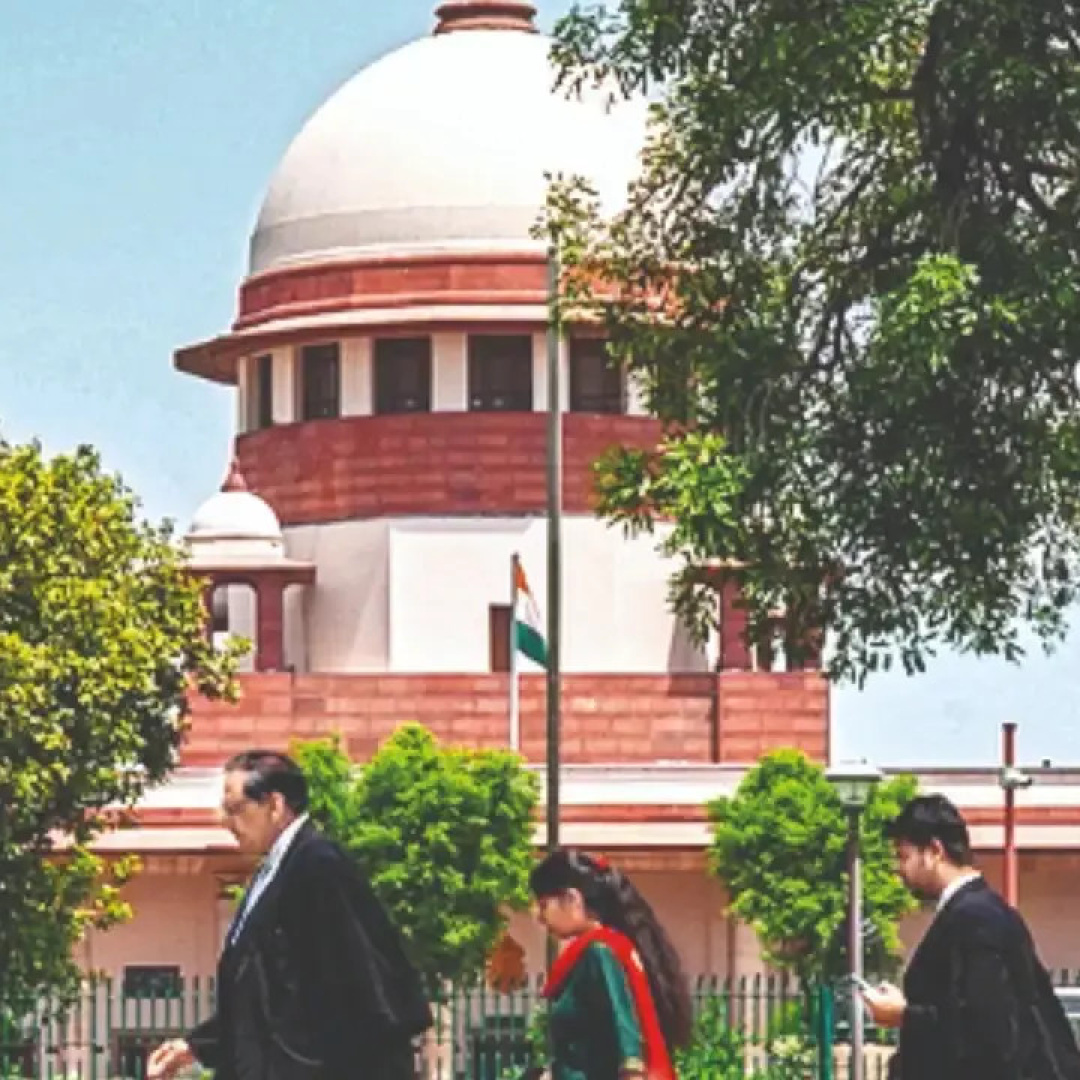
Supreme Court to Review Property Rights Dispute Between ISKCON Groups
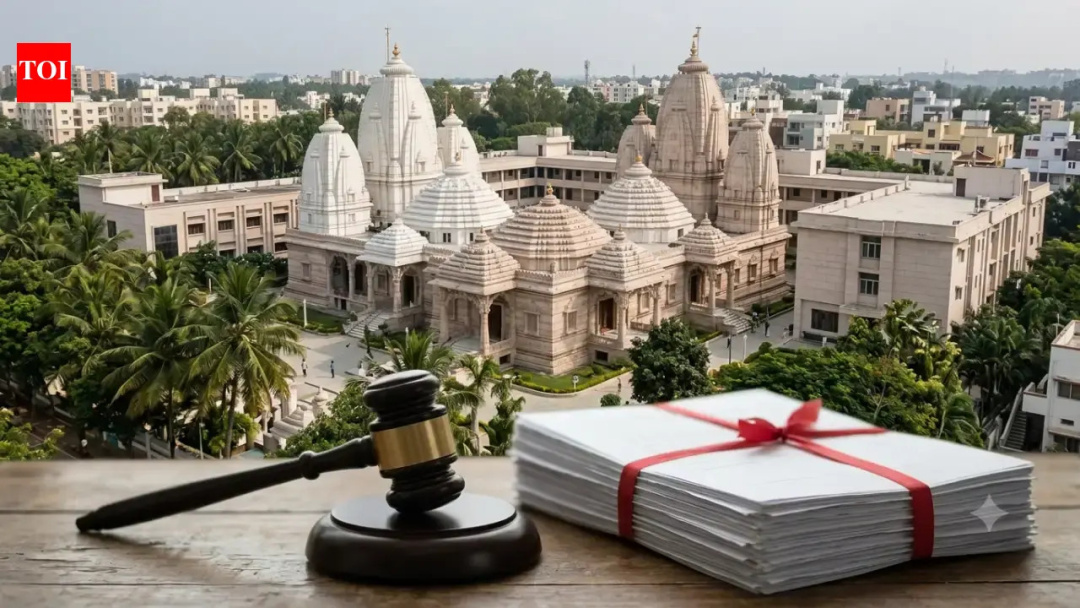
The Supreme Court of India has taken a significant step by agreeing to list a review plea filed by ISKCON Mumbai concerning the ownership of the Hare Krishna temple and educational complex in Bengaluru. This plea challenges a prior judgment made on May 16, 2025, which ruled that the temple belongs to ISKCON Bangalore. The legal dispute has been ongoing, with ISKCON Mumbai asserting its rights over the property, claiming that ISKCON Bangalore is merely a branch of its organization.
The bench, consisting of Chief Justice Surya Kant and Justices Joymalya Bagchi and V Mohana, announced that the review plea and related interim applications will be heard a week after October 5. The origins of this dispute trace back to a 2011 challenge by ISKCON Bangalore against a Karnataka High Court ruling that had previously overturned a trial court's recognition of ISKCON Bangalore's legal title to the temple.
Common Sense Shop
The United States of Common Sense
Amazon shopping links. Sponsor Complete!
In the earlier ruling, the Supreme Court found that ISKCON Mumbai had failed to provide sufficient evidence to support its claims over the property. The May 2025 decision noted that the trial court had determined there was no proof of ISKCON Mumbai's possession of the property in question. Following this ruling, ISKCON Mumbai sought a review, leading to a split verdict among the justices involved.
Judicial Opinions on Review Plea Diverge
In November 2025, Justices J K Maheshwari and A G Masih expressed differing opinions on ISKCON Mumbai's review plea. Justice Maheshwari supported the request for an open-court hearing, while Justice Masih dismissed the review petitions, stating there was no apparent error in the original judgment. This divergence in judicial opinion necessitated that the review petitions be presented to the Chief Justice for further direction.
The Common Sense Test
The Chief Justice has indicated a willingness to establish a new bench to hear the review plea, which will now be scheduled alongside interim applications after October 5. The implications of this case extend beyond property rights; they touch upon the governance and operational autonomy of religious organizations in India, raising questions about the legal frameworks that govern such disputes.
As the Supreme Court prepares to delve deeper into this matter, the outcome could set a precedent for similar disputes involving religious institutions and their property rights in the future. The ongoing legal battle underscores the complexities surrounding religious governance and the need for clear legal definitions regarding property ownership within spiritual organizations.